T
here's something almost old-fashioned about an open letter these days. In an age of hashtags and hot takes, 117 people — politicians, diplomats, academics, journalists sat down and wrote to two prime ministers asking them to do something that sounds simple and isn't: talk to each other.
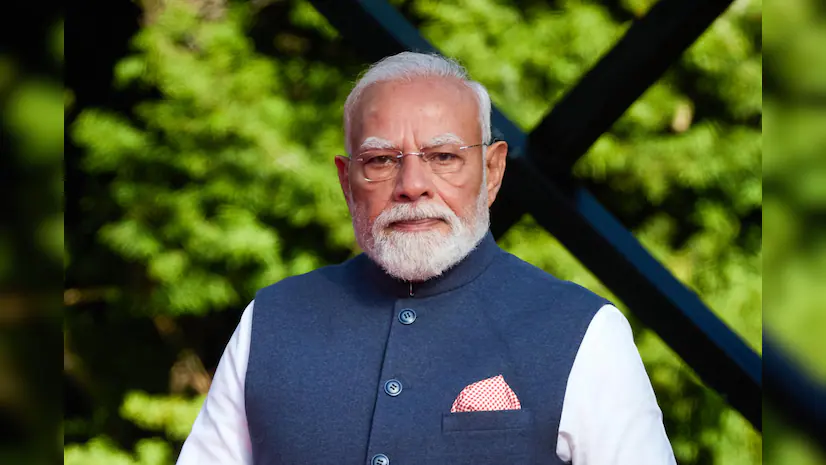
The letter landed on June 30, addressed to Narendra Modi and Shehbaz Sharif. Sixty-one signatures from India, fifty-six from Pakistan. Issued by a group called the Centre for Peace and Progress.
And the timing wasn't accidental it arrived more than a year after Operation Sindoor, a period that has left India-Pakistan relations about as frosty as they've been in recent memory.
Names matter here, and this list has some heavyweight ones. On the Indian side: Farooq Abdullah, Mehbooba Mufti, Mirwaiz Umar Farooq, Mani Shankar Aiyar, former RAW chief A.S. Dulat, RJD MP Manoj Jha. From Pakistan: former foreign minister Khurshid Mahmud Kasuri, nuclear physicist and longtime peace campaigner Pervez Hoodbhoy, plus a cluster of retired diplomats and scholars.
Worth noticing this isn't a roster of ruling-party loyalists. It's mostly opposition figures, Kashmiri political leaders, retired officials, and civil society types. People with some distance from power, which is either a limitation or exactly the point, depending on who you ask.
The letter isn't vague hand-wringing about peace in the abstract. It gets specific. Reopen the Attari-Wagah border fully, for both trade and travel. Restart the Srinagar-Muzaffarabad bus service. Open up airspace so commercial flights stop taking the long way round.
Reopen the Kartarpur Sahib Corridor. And this one lands with particular weight restore access to Sharada Peeth, the ancient shrine in Pakistan's Neelum Valley sacred to Kashmiri Pandits.
These aren't grand geopolitical asks. They're the connective tissue of ordinary life buses, borders, pilgrimage routes the kind of things that stopped working years ago and never quite got fixed.
The core argument, though, is demographic as much as political. India and Pakistan together hold roughly a fifth of humanity, the letter points out, and most of that population is young.
The people of both countries deserve a future defined by peace, development, connectivity and cooperation, rather than perpetual mistrust and confrontation, it states.
Decades of estrangement, the signatories argue, have quietly taxed both nations economically, socially, humanly while producing very little in return.
They're careful, too, to frame this as apolitical. This appeal is not an endorsement of any political position. It is a call to place the welfare, aspirations and future of nearly two billion people above conflict, confrontation, and division, the letter says.
If you're expecting a thaw to follow, don't hold your breath just yet. India's official line hasn't budged — the government maintains that terror and talks simply can't coexist, and any real improvement in ties depends first on Pakistan ending cross-border terrorism.
The Ministry of External Affairs has also pushed back on reports of backchannel talks happening in Sri Lanka involving retired diplomats and military officials, insisting these carry no official weight.
So there's a real gap between what civil society is asking for and what the government is currently willing to entertain.
Analysts are split, and it's a genuinely interesting split. Some read this letter as one piece of a larger, quieter pattern pointing to Donald Trump's repeated claims of having brokered the Sindoor ceasefire, Gulf states nudging both sides toward de-escalation, and even a few RSS leaders talking up people-to-people contact.
Add in regional anxiety from the Iran-Israel conflict, and the theory goes that Track-II diplomacy might be warming up behind the scenes, with this letter functioning as a kind of public signal ahead of anything official.
Others are far more skeptical. The domestic politics, they argue, just don't leave room. The BJP has spent years building a hard-line posture on Pakistan; walking that back now would carry real political cost, letter or no letter.
Ultimately, an open letter doesn't reopen a border or restart a bus route. It can't. What it can do is put pressure however gentle on political will, and put it there publicly, in ink, with names attached.
Whether Modi and Sharif read this as a nudge worth acting on, or just another appeal destined to sit in a drawer, is genuinely an open question right now.
But 117 people from both sides of a hard border agreeing on anything at all that alone is a little unusual. Maybe that's the real story here.