S
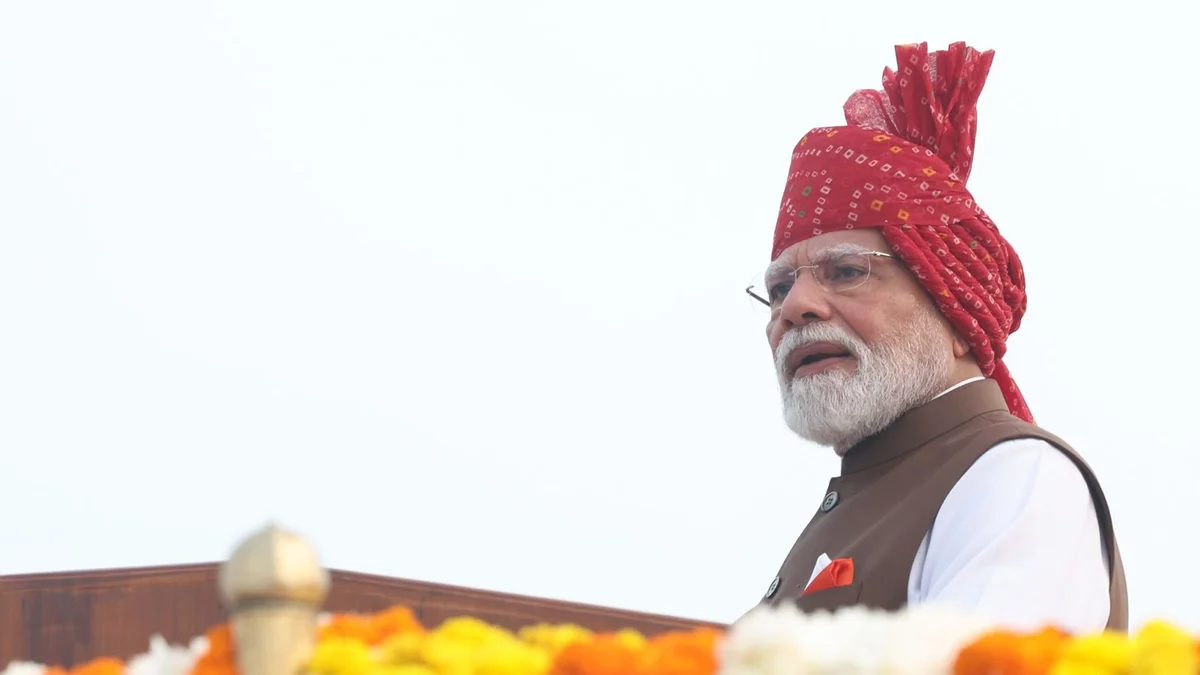
ame routine every year. Flag goes up, anthem plays, the country stops for a bit and remembers 1947.
Then it's over, and Monday looks exactly like the Friday before. That gap — between what happens on the ramparts and what happens everywhere else — is basically the whole reason this question won't go away. Are we actually free, or did we just trade one set of chains for a quieter one?
Nobody's arguing India didn't get rid of colonial rule. It did. The British packed up, the Constitution came into effect, and somehow out of all that we ended up with the biggest democracy on earth. Fine. That part's not up for debate.
But here's the thing—independence was never supposed to end there. Those people who went to jail, who marched, who got killed for this—they weren't doing it just so the flag could change color.
They wanted a country where a person could eat, learn, work, and open their mouth without something bad happening to them. Eighty years later? That second half of the promise is still being paid off bit by bit, and a lot of it is way overdue.
Go stand in any Indian city for five minutes and you'll see it—glass towers a few streets away from slums that don't even have running water. Real wealth has been built here since 1947, no argument. India is one of the fastest-growing big economies out there now, with the tech sector booming and the middle class growing every year.
Here's what doesn't get said out loud, though—most of that money never made it down to where it was supposed to go. There are still millions of people without steady jobs, without healthcare they can count on, without any real path upward. Ask a farmer buried in debt how free he feels. Ask a daily-wage worker with zero safety net.
Ask someone with a degree who still can't find work in his own field. None of them are thinking about freedom when the rent's overdue and there's nothing in the fridge.
Political freedom just showed up on its own—economic freedom never did, and acting like the two came as a package deal isn't fair to anyone still waiting.
Then there's the day-to-day stuff. Rights on paper that don't always survive contact with actual life. Freedom of speech technically exists — try telling that to a journalist or activist who said the wrong thing to the wrong person and paid for it. Women across huge parts of this country are still doing mental math about which street is safe and how late is too late. And caste — after seventy-plus years of laws meant to kill it off — is still quietly deciding who gets the wedding invite, who gets the job, who gets left out.
Look, the country has changed. A lot, mostly for the better. But there's a real difference between a right existing in a document somewhere and that same right actually showing up in someone's daily life. We haven't closed that gap yet. We're just getting closer to it.
If this word means anything beyond a date on a calendar, it has to look something like this—a farmer who isn't terrified of the next bad monsoon wiping out his whole year. A woman who doesn't have to plan her route home around what time it is. A kid at a government school getting a shot as good as the kid across town in the private one. A worker who gets treated fairly without needing to know somebody.
That's not asking for the impossible. That's basically what the freedom fighters were actually fighting for—not just kicking out a foreign flag, but getting rid of everything that keeps one citizen from standing on the same ground as another.