A
worker at a mountain hut on the Fujinomiya Trail noticed him first. A small boy, sitting by himself on a bench, in the rain, with fog starting to settle in around the sixth station. Seven years old. Alone. By most estimates he'd already been sitting there close to three hours.
That was Thursday morning, August 20.
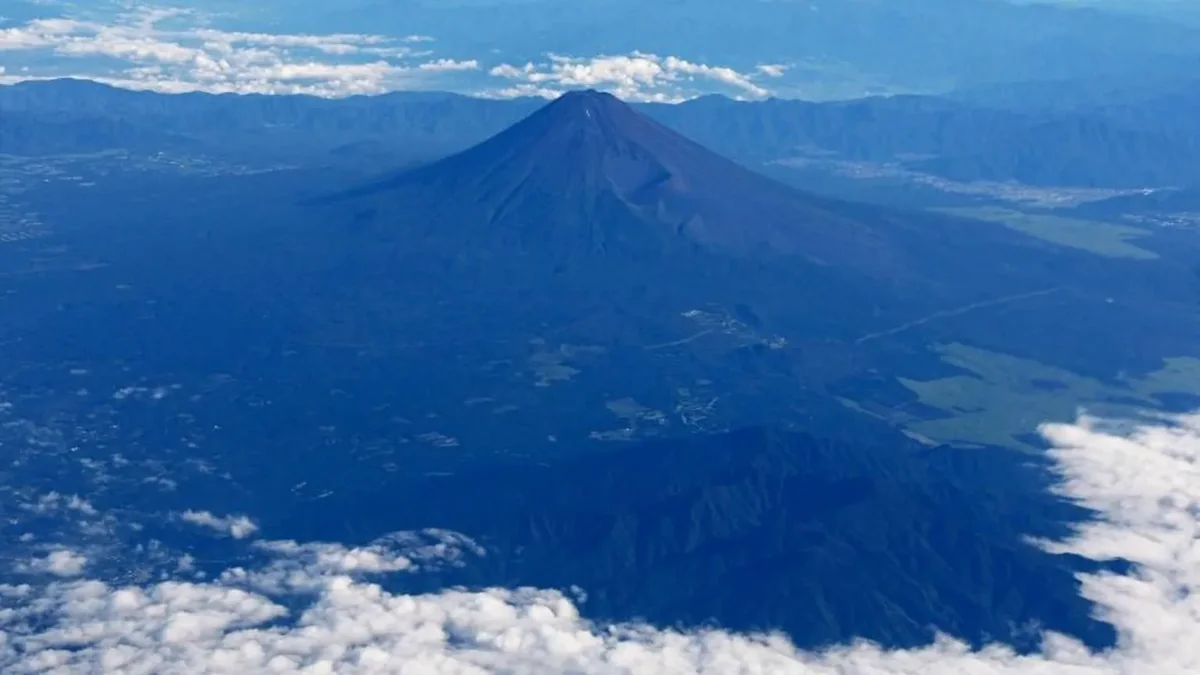
The boy had left before sunrise with his father, 48, and his older brother, a middle schooler somewhere around 12 or 13. They were from Nagoya. The plan was the summit, 3,776 meters, via one of the steeper approaches up Japan's most famous mountain.
Around the sixth of ten stations, at roughly 2,490 meters, the younger boy did what tired seven-year-olds do. He said he was done. He wanted to stop.
His father's answer, by most accounts, was two words. "Wait here." And then he and the older son just kept going. Up. Toward a summit that was still hours off.
That's the part people keep coming back to. According to the mountain's official climbing website, the round trip from the sixth station to the top and back runs somewhere close to seven and a half hours. Even the more forgiving estimate, call it five hours up and two and a half back down, still leaves a kid sitting by himself on an active volcano for the better part of a workday.
By 7:40 a.m. when the hut worker spotted him, the weather had turned. Nothing catastrophic. Just rain and fog thickening at altitude, the kind of shift that makes a mountain feel a lot less friendly to a seven-year-old on his own.
The worker got him inside and called police. Officers worked out who he was, then who his father was, then where his father actually was: somewhere near the eighth station, still climbing.
They told him to come back down. Now.
He did. The boy was unhurt. The family left the mountain together, which is more than can be said for how this story reads on paper.
Japanese police reprimanded the father. No arrest, no formal charges, which tracks with how these cases usually go when the kid turns up okay. Prosecutors in Japan tend not to touch parental judgment calls unless there's something closer to deliberate abuse.
There's precedent for that, and it's not subtle. Back in 2016, a couple in Hokkaido left their seven-year-old on a forest road as punishment for throwing rocks. He survived six days alone before he was found in an old military hut. No charges there either. A lawyer who worked abuse cases told reporters at the time that the odds of prosecution were "extremely slim," and that the real focus would shift to the kid's mental care instead.
Ten years apart, different mountain, different reason for leaving the child behind. Same basic outcome once he was found safe.
Here's the thing that makes this land a little different in 2026: Mount Fuji has never had more rules.
Every trail now charges a mandatory 4,000 yen fee. Climbers have to register in advance. On the Shizuoka side, where the Fujinomiya Trail sits, you can't even start without finishing an e-learning safety module and passing a short quiz first. Gates lock from 2 p.m. to 3 a.m. specifically to stop "bullet climbing," people pushing through the night without rest, which authorities have blamed for a string of exhaustion-related accidents over the past couple of seasons.
None of it accounts for a dad just telling his kid to sit tight and walking off. There's no line on the registration form for that.
The season runs through September 10. Hundreds of thousands more people will make the climb before it closes, most of them without incident, most of them never showing up in a headline like this one.