T
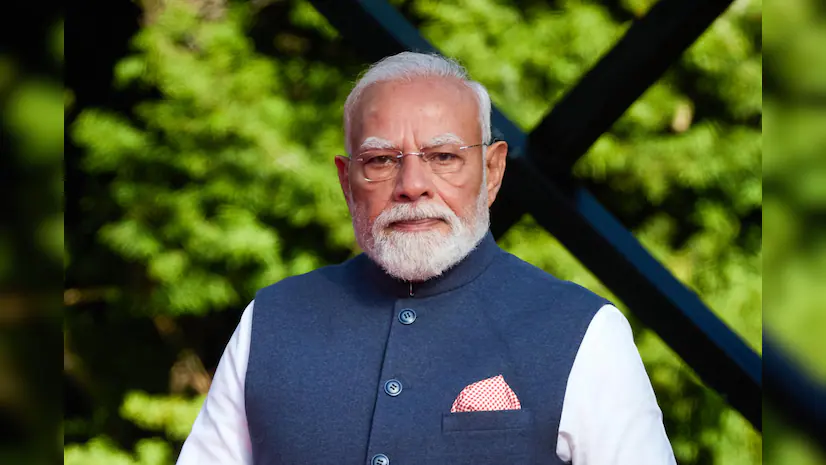
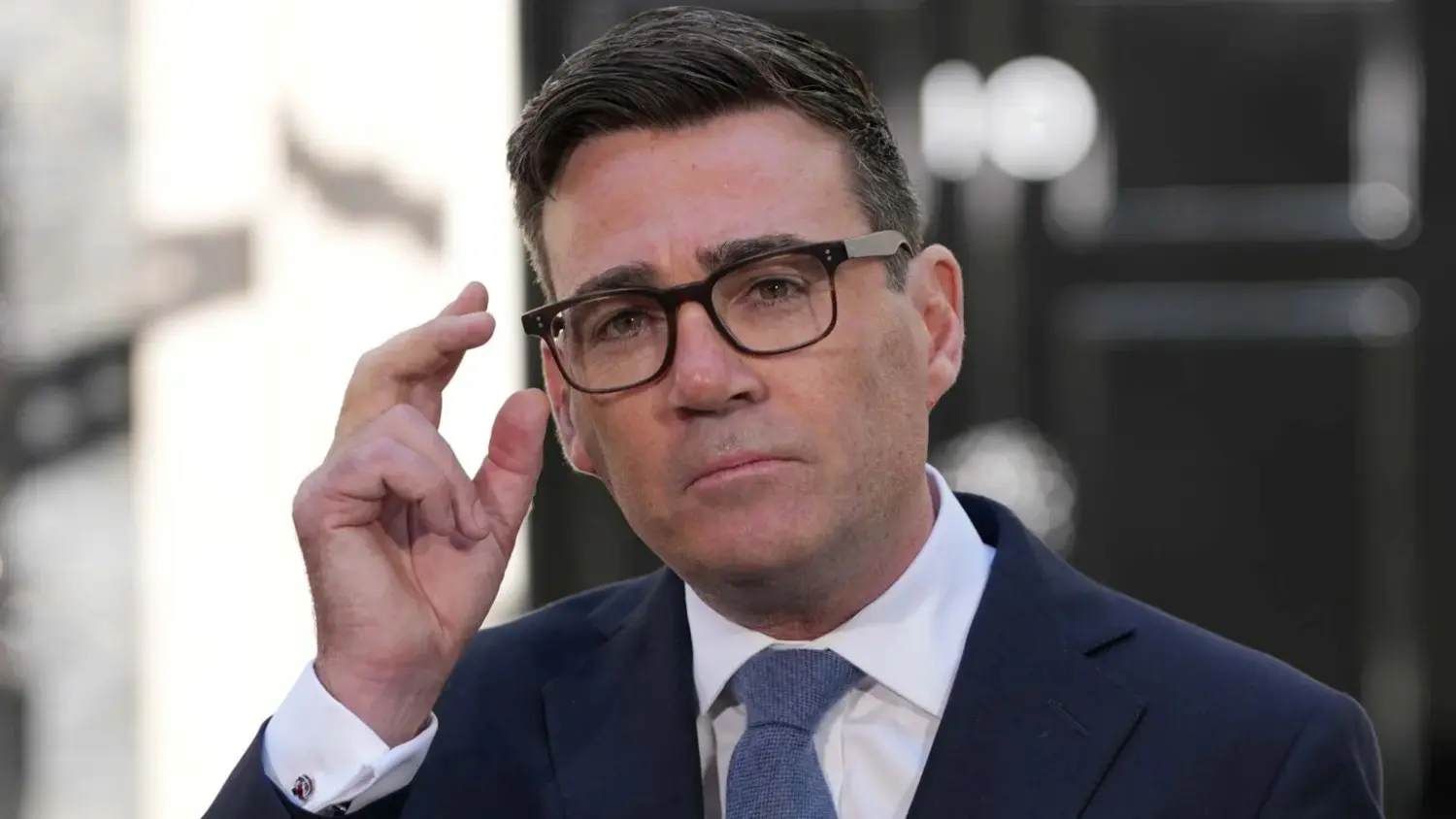
here is a new Prime Minister of the UK again, and with the transfer of power in Downing Street, yet another bout of diplomatic diplomacy has been triggered by India. Andrew Burnham, the well-known Mayor of Greater Manchester popularly referred to as the "King of the North," was officially sworn-in by King Charles III on Monday to become the seventh prime minister of the UK in ten years. In quick succession, Indian Prime Minister Narendra Modi congratulated Mr. Burnham, and indicated that he will take steps to strengthen ties with the UK, based on the recently implemented trade agreement between the two nations.
With Burnham succeeding in assuming the mantle of Britain's head, the country is now witnessing the culmination of an unprecedented period of instability in the British political system.
This is because the incumbent prime minister, Keir Starmer, was only in office for the past two years and is stepping down amid a series of scandal, controversies, policy reversals, and failures on the economic front.
Starmer announced his resignation after winning a massive landslide in the 2020 election but saw his popularity take a nosedive due to the reasons stated above.
Outside the iconic 10 Downing Street, where he tendered his resignation letter, Starmer took the high road and addressed his supporters, saying he was resigning with "good grace" and a sense of achievement in his leadership. Burnham, aged 56, was no novice thrown into the limelight suddenly.
For several years now, he has earned a reputation as a passionate advocate for the post-industrial north of Britain, whose political power and funding are heavily skewed towards London.
Burnham won the Labour Party's leadership unopposed just last week and, following the standard constitutional procedures of the country, succeeded Starmer as prime minister because he assumed the leadership of the ruling Labour party.
Word of the new government spread quickly in foreign capitals. Ukrainian President Volodymyr Zelenskyy wished Burnham "every success," a comment that is meaningful in light of Starmer's approach to foreign affairs which was regarded as one of the more stable aspects of his premiership especially regarding UK-Ukraine and UK-US relations. The President of the European Council, Antonio Costa, expressed his excitement about working more closely with the UK.
The other European leaders like Italian Prime Minister Giorgia Meloni and Deputy Prime Minister of the Netherlands, Rob Jetten, extended their congratulations to Burnham for being the PM.
On his part, Burnham declared his aspiration for the return of Britain to the EU membership within his lifetime, although he referred to this as a very distant goal. One of the first reactions came from India.
Prime Minister Narendra Modi greeted Burnham via a message on the social media platform X and emphasized the future of the India-UK relations.
According to Modi, India and the UK have a common set of democratic values and wide collaboration in trade, investment, science, defense, and people-to-people cooperation. Importantly, Modi noted the significance of time – the Comprehensive Economic and Trade Agreement (CETA) between India and the UK went into.
India's efforts to reach out should come as no surprise, either. There is a very large Indian community in the UK, which has served as a cultural and economic bridge between the two countries for decades. Relations have been growing stronger, thanks to trade deals that were established under previous governments.
Furthermore, the implementation of the CETA agreement, which is likely to reduce tariffs and help companies in both countries develop new business opportunities. For India, a reliable partner in London matters immensely considering the amount of changes in terms of occupancy in 10 Downing Street witnessed by that country in recent years. That situation itself tells an interesting story.
In a way, Burnham is the seventh person to occupy that office in just ten years, illustrating the political and economic turmoil that has affected Britain after the Brexit referendum in 2016.
That makes any kind of stable diplomatic relationship harder to establish for other countries—especially because the change of leader in Downing Street is so frequent. Thus, the effort of reaching out made by India is quite noticeable since it shows that despite the change in the leadership, the country still wishes to preserve the existing.