T
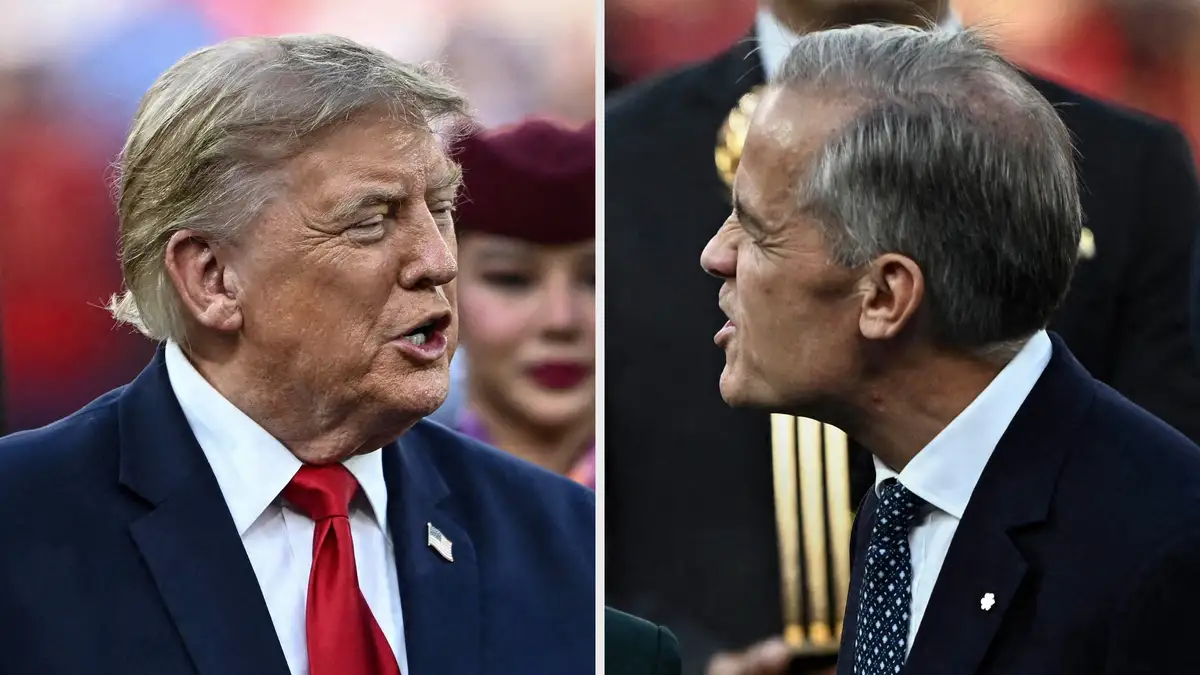
hree days of talks in Washington ended the way nobody on either side wanted to admit was possible. Just before midnight on Friday, Canadian negotiators walked out, and hours later President Donald Trump's 50% tariffs on roughly $20 billion worth of Canadian goods kicked in anyway. By Saturday morning, Prime Minister Mark Carney was standing in front of cameras in Ottawa calling the whole episode an attack.
"You're at war when you get attacked. We got attacked," Carney said, a line that traveled fast across Canadian networks and set the tone for everything that followed.
The breakdown came down to timing and trust, according to accounts from both governments. Canada had gone into the final round willing to give up ground, including dropping retaliatory tariffs it imposed last year and letting American alcohol back onto store shelves. What it wanted in return was straightforward: relief for industries like softwood lumber and trucking that have absorbed the brunt of two years of tariff whiplash.
Instead, negotiators say Washington introduced new conditions late in the process, among them a demand for a say in who Canada trades with going forward. That single sticking point, according to reporting out of Ottawa, is what finally derailed talks that had looked close to a resolution just days earlier.
Carney didn't mince words about it. In a 22-minute televised address, he accused the US of proposing terms that were "uneconomic, unfair, and undermined the net benefits for Canada." His phrasing stuck: "They asked too much, and they offered too little."
The US measures are already in force, hitting a wide band of Canadian exports including hockey sticks, building materials, liquor and certain clothing categories. Canada's answer won't land immediately. Carney set September 8 as the date his own tariffs take effect, giving both sides a two-week window that will likely be filled with lobbying, backchannel talks and no shortage of political theater.
When the Canadian measures do kick in, they're expected to target steel, dairy, home appliances, agricultural machinery, pulp, paper and electronics. Carney described the approach in blunt terms: match the US "dollar for dollar." Whether that number ends up closer to Washington's $20 billion figure or the $28 billion some Canadian officials have cited depends on how the final list shakes out.
What Carney has ruled out is anything touching sovereignty. He was explicit that Canada would not barter away control over its own trade relationships or hand over strategic industries just to get a deal done, a line clearly aimed at the disputed US demand that triggered the collapse.
Reaction from the provinces came fast, and mostly united. British Columbia Premier David Eby told reporters in Vancouver that his government fully backs Ottawa "standing up to a bully," and said BC is already looking at ways to add economic pressure of its own.
Even premiers whose provinces stand to lose the most offered support, if a bit more cautiously. Saskatchewan's Scott Moe acknowledged the tariffs will hurt Canadian producers directly, particularly in agriculture, but said Carney was right to hold the line rather than accept a lopsided deal. That kind of cross-party alignment has been rare in a trade dispute that has otherwise exposed regional fault lines over the past year and a half.
This isn't a new fight, it's an old one entering a rougher phase. Tariffs between the two countries have been going up, coming down and going back up since early 2025, through changes in Canadian leadership and multiple rounds of on-again negotiations. What's different now is the language. "War" is not a word Canadian officials have used loosely in this dispute before, and Carney used it twice in one day.
Markets, for their part, barely flinched, oil prices moved only slightly and North American equities showed no signs of panic by Saturday afternoon. That relative calm may not survive two more weeks of hardening positions on both sides of a border that, until recently, both governments described as the most integrated economic relationship on the planet.
Whether September 8 becomes a deadline for a new deal or simply the day Canada's countermeasures go live is still an open question, and neither government has signaled much appetite to blink first.