W
hatever was left of the US-Iran ceasefire didn't survive the weekend.
By Saturday, Iran's supreme leader, Mojtaba Khamenei, was calling Donald Trump's signature "worthless and unreliable." By Sunday, missiles were flying toward Jordan's port city of Aqaba, American air defenses were shooting them down, and Israel's Iron Dome was firing interceptors over Eilat just in case the fragments drifted the wrong way. Nobody was hurt in that particular exchange. That's about the only good news in this update.
Whatever was left of the US-Iran ceasefire didn't survive the weekend.
By Saturday, Iran's supreme leader, Mojtaba Khamenei, was calling Donald Trump's signature "worthless and unreliable." By Sunday, missiles were flying toward Jordan's port city of Aqaba, American air defenses were shooting them down, and Israel's Iron Dome was firing interceptors over Eilat just in case the fragments drifted the wrong way. Nobody was hurt in that particular exchange.
That's about the only good news in this update.
Here's the grim part: two American service members are dead, and a third is missing. US Central Command says they were killed in an attack by Islamic Revolutionary Guard Corps forces in Jordan, the first US military fatalities from Iranian fire since March.
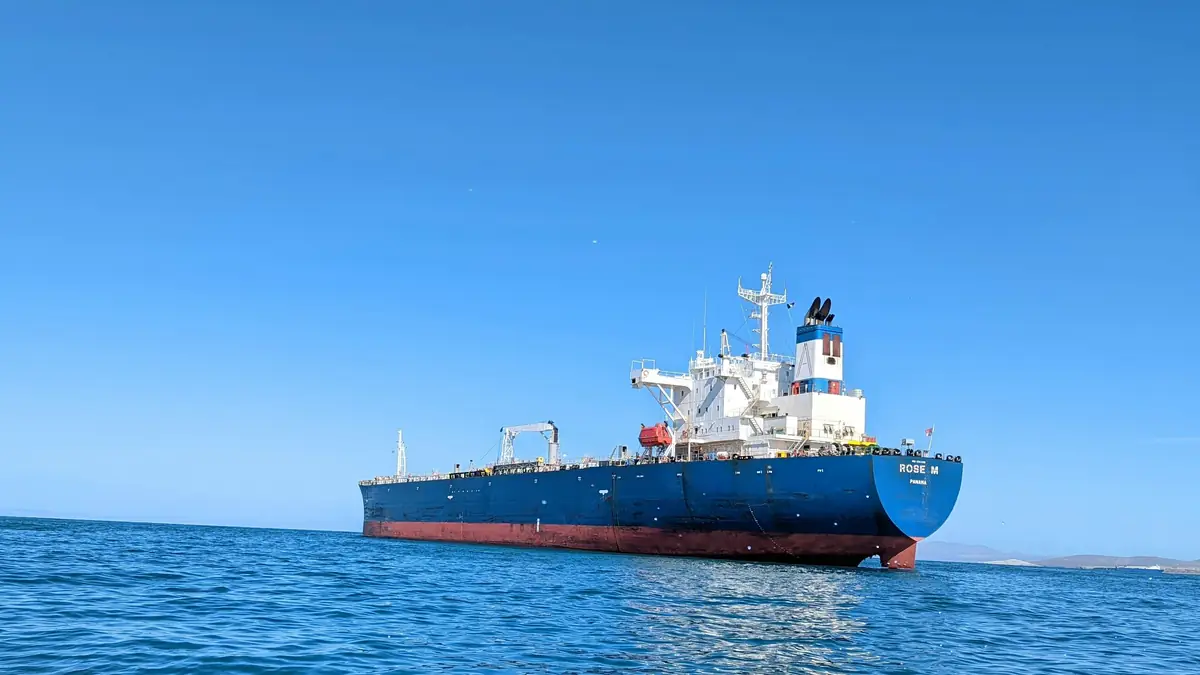
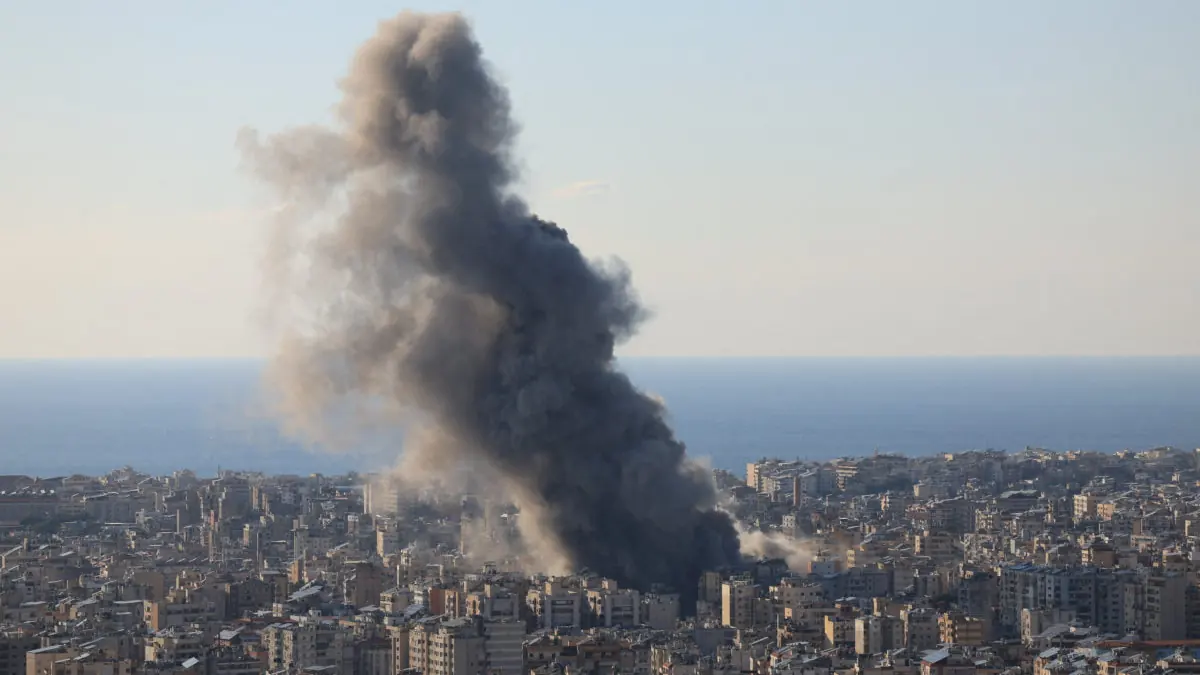
Washington hit back fast, striking targets CENTCOM says were meant to choke off Iran's ability to threaten commercial shipping through the Strait of Hormuz and to punish the IRGC units responsible.
Iran isn't backing down, not publicly anyway.
Tehran says it's suspending its commitments under the interim deal altogether. And Sunday's missile fire toward Aqaba was intercepted by US systems; one landing in open ground suggests this isn't posturing. It's a live exchange, and it's getting less contained by the day.
It's worth remembering this ceasefire is barely a month old. Delegations from both countries had signed a memorandum of understanding meant to end the war, and for a few weeks, it mostly worked. Then, about a week ago, Iran struck three ships transiting the Strait of Hormuz.
The US answered with fresh strikes. Trump went on television and announced a renewed blockade and new tolls on traffic through the strait; Iran, for its part, denies the waterway was ever actually closed. Since then it's been strike, counter-Strike, repeat Jordan, Qatar, and now this.
Iran's deputy foreign minister, Kazem Gharibabadi, put the blame squarely on Washington, telling state television the US had violated its own commitments first and that Iran was simply responding in kind.
Whether that holds up to scrutiny is a separate question. What's not in dispute is that the deal both sides signed with real fanfare a month ago is now functionally dead, even if nobody's said those exact words out loud yet.
Rewind further and the scale of this thing is staggering. It kicked off back on February 28, when Trump announced what he called major combat operations joint US-Israeli strikes hitting military, government, and infrastructure targets across Iran, all at once.
Somewhere in the chaos that followed, Iran's longtime supreme leader was killed. His son, Mojtaba Khamenei, inherited the title in March and has barely been seen in public since even his father's funeral, a six-day affair that moved the body through five cities before burial at the Imam Reza shrine, happened without him showing his face.
Israel says it's carried out more than 7,000 strikes on Iran since this all began. Seven thousand. Sit with that number for a second.
Rewind further and the scale of this thing is staggering. It kicked off back on February 28, when Trump announced what he called major combat operations joint US-Israeli strikes hitting military, government, and infrastructure targets across Iran, all at once. Somewhere in the chaos that followed, Iran's longtime supreme leader was killed. His son, Mojtaba Khamenei, inherited the title in March and has barely been seen in public since even his father's funeral, a six-day affair that moved the body through five cities before burial at the Imam Reza shrine, happened without him showing his face.
Israel says it's carried out more than 7,000 strikes on Iran since this all began. Seven thousand. Sit with that number for a second.
None of this stays contained to the region, not with roughly a fifth of the world's oil passing through Hormuz on a normal day. Brent crude climbed past $83 a barrel after Trump's blockade announcement.
Gas in the US is averaging $3.87 a gallon, up eight cents on the week though, strangely, still down from a month ago, which tells you how volatile this stretch has actually been. Reports out of Iran describe strikes creeping toward civilian infrastructure now, including desalination plants that a lot of people depend on for drinking water. That's not collateral chatter. That's the war widening.
Foreign ministers from Iran and Oman sat down Saturday to talk specifically about Hormuz a small, quiet meeting buried under the noise of missiles and CENTCOM statements. No breakthrough has been announced. No date for one, either.
Washington, meanwhile, has issued a global travel alert over the rising tensions the kind of bureaucratic warning that rarely makes headlines on its own but usually signals officials expect things to get worse before they get better. Airlines have quietly started rerouting around Gulf airspace again.
Shipping insurers, who'd only just gotten comfortable quoting normal rates for Hormuz transits after the last round of fighting, are said to be pulling those numbers back too.
For now, the region just waits to see whose strikes land next. Nobody involved seems in a hurry to blink first, and in a standoff like this one, that's usually when things get worse, not better.