In Canberra, Malcolm Davis, a senior defense strategy analyst at the Australian Strategic Policy Institute, said that it would not be easy for the United States to defeat Iran.
Davis said in an interview with a news channel that he does not expect any deal between the two countries. He added that even in the upcoming second round of talks in Pakistan, a deal is unlikely, as there are major differences in the demands of the United States and Iran.
Davis stated that the likelihood of a deal between the United States and Iran is very low, with minimal prospects for a resolution. He cautioned that if no solution is reached, tensions between the two countries could intensify further.
The United States is left with two options—either to maintain its naval blockade in the Strait of Hormuz or to escalate the situation by returning to a war footing.
If no resolution is achieved, Iran may resort to blocking the Strait of Hormuz. Any further escalation of the conflict could significantly disrupt global oil and gas supplies, leading to a major energy crisis worldwide.
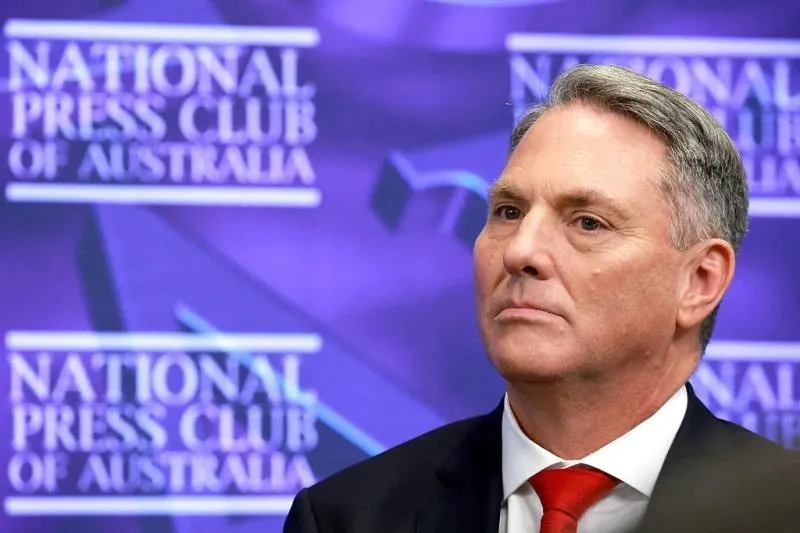
Photo: @ Linkedin
He said that there is no guarantee that the United States would achieve its strategic objectives by bombing Iran. He added that if the war spirals out of control, it is possible that the U.S. may end up gaining nothing.
The United States had initially underestimated Iran, but that has not been the case, as Iran continues to respond strongly. At the same time, U.S. President Donald Trump has faced criticism over a lack of a clear strategy, with his statements sometimes appearing inconsistent, which has raised concerns about the U.S.’s global image.
If conflict between the United States and Iran escalates further, it will not remain limited to just the two countries; its impact will be felt across the entire world.