2 of 7.2 and 7.5 magnitude earthquakes, occurring back-to-back, hit Caracas on July 24, 2026 Two powerful earthquakes hit the nation of Venezuela on 24 July 2026. Such an unprecedented combination of earthquakes in Venezuela is, to date, the largest ever recorded in Venezuela over 100 years.
The earthquakes struck around 6:04 in the afternoon in Venezuela, while most of the country was already gathered to celebrate a great day, the Battle of Carabobo, 1821. A very big earthquake was registered according to the US Geological Survey, measured at 7.2 magnitude, 22 kilometers (14 miles) beneath the surface of the earth, one minute and 39 seconds later, (per alternative sources) A stronger earthquake was measured that struck as the second, at 7.5, 10 kilometers (6 miles) beneath the earth.
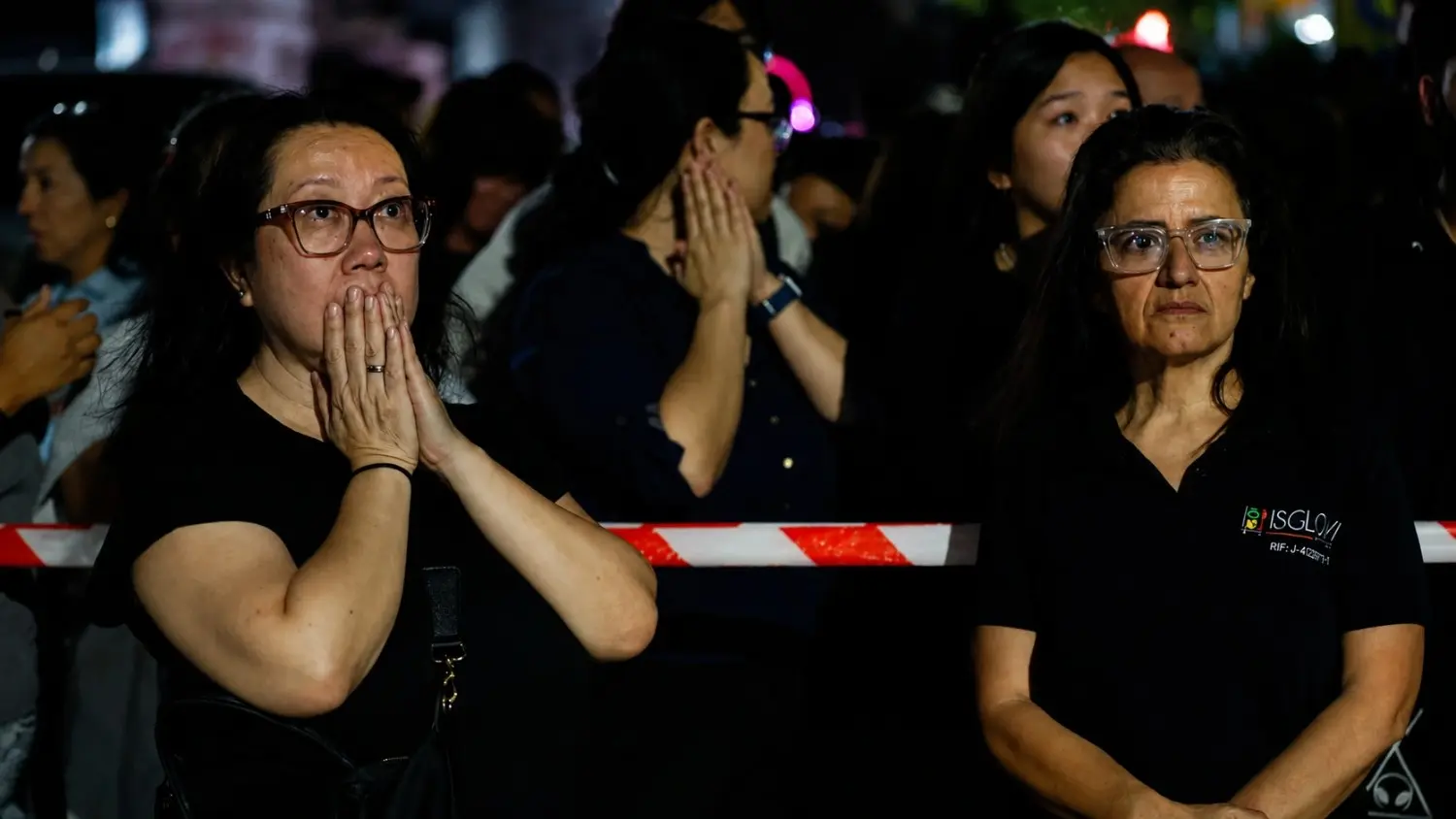
The ordeal for the people was quite frightening. One of the regional experts in emergencies is Luis Colmenarez. According to him, he had been watching the "Toy Story" movie with his sisters about four hours from Caracas, but the earthquake struck all of a sudden. Everything turned dark, and the tremors were continuing for two to three minutes that seemed like ages. People said that they had tried to find their family members, hiding under door frames, sleeping outside their houses, or even in their cars.
According to Acting President Delcy Rodriguez, “164 people have died across the country, and approximately 1,000 others are injured.” According to the mayor of Caracas, Carmen Melendez, “Of the 164 people who have died, 25 have died in the city of Caracas itself, with other rescue missions looking for more victims buried in the rubble.”
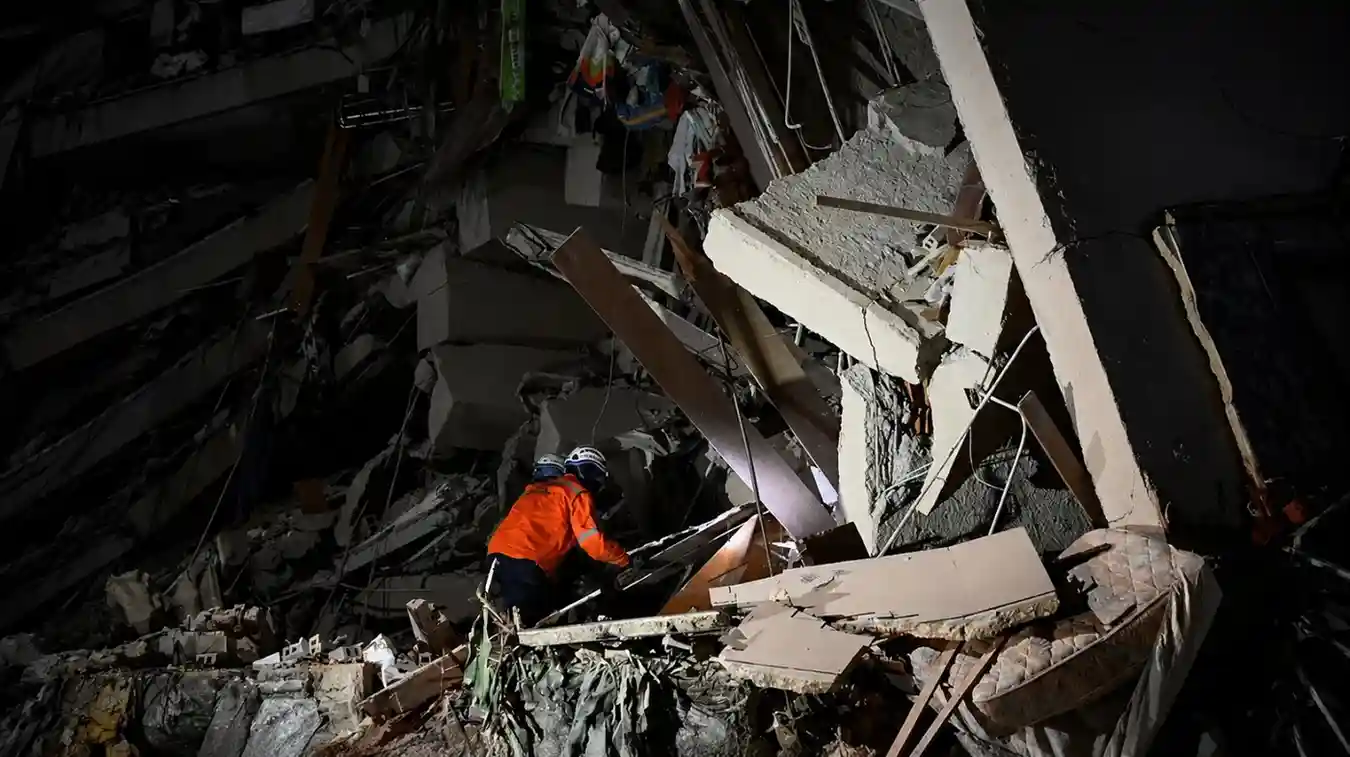
Province La Guairan, which is found west of Caracas near the sea, has been severely affected by the earthquake. The place has been referred to as “a real tragedy and disaster area” in the province. There were people in the rescue mission team who were seen descending the half-collapsed high-rise apartments in the Playa Grande region of Province La Guaira. The areas which have been badly affected by the earthquake in Caracas are Altamira and El Paraíso.
A website created in order to facilitate the process of tracking missing relatives in Venezuela has documented over 25,000 cases of missing individuals. Although this figure is not an officially confirmed statistic—many people remain uncontactable due to communication breakdown—it demonstrates the extent of the chaos and fear prevalent in the country. Fortunately, at the same time, over 1,200 of these people, who were initially registered as missing, have now been located safe and sound.
According to the USGS, the number of victims could rise substantially within the next few days. Since most of the buildings in the affected areas are built using unreinforced brick masonry and adobe that are especially prone to collapse under conditions of intense vibrations, the casualty numbers are likely to increase. Based on preliminary statistical models created by the USGS strictly for emergency planning (not confirmed predictions), there is a 39% probability of casualties rising to between 1,000 and 10,000 and a 37% probability of further increasing to between 10,000 and 100,000.
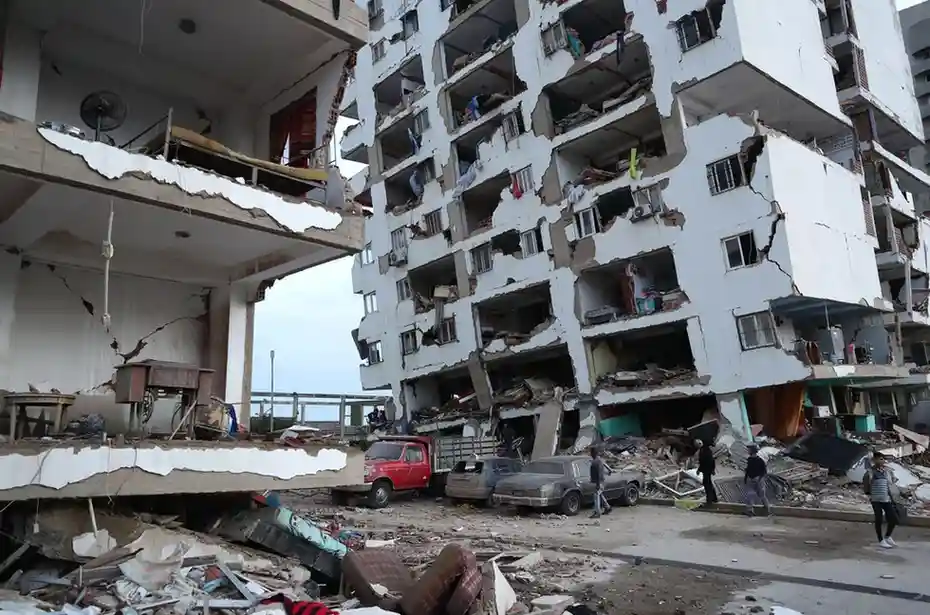
Photo: @ Ronald Pena/EPA/Shutterstock
Despite the fact that the epicenter was located away from the city of Caracas, the earthquakes were intensely felt in the capital city as well as in other parts of central and western Venezuela such as Carabobo, Miranda, La Guaira, and Trujillo. Strangely enough, even tremors were reported in adjacent countries like Colombia and even in the Amazon region of Brazil — almost 1,700 kilometers (about 1,050 miles) away from Caracas.
So far twenty aftershocks have been noted following the earthquakes, while seismologists have stated that some powerful aftershocks may occur in the coming days.
In a televised speech, Acting President Rodríguez announced a national state of emergency and appealed to doctors, nurses, and other healthcare providers to urgently come to hospitals and clinics to provide medical care to victims. Venezuela's largest airport, Simon Bolivar International Airport, has been closed because of the damage it sustained and will probably be closed at least until Friday. Schools around the country have been closed for a number of days, and residents have been told to stay calm while assessment of damage is ongoing.
Moreover, Rodríguez announced that she is cooperating with the International Monetary Fund to create an aid fund totaling up to $200 million to provide relief and reconstruction aid. The situation in Venezuela is especially complicated because it is facing a deep political and economic crisis. As of today, according to the UN humanitarian affairs agency, more than 8 million people out of about 28 million total population required humanitarian assistance in Venezuela before the earthquake occurred.
The disaster has prompted a wave of international solidarity. US President Donald Trump posted on social media that he had instructed government agencies to "get ready to move quickly," adding that early reports were "not good." US Secretary of State Marco Rubio confirmed that search and rescue teams, medical resources, and humanitarian aid were being deployed immediately, describing the American response as "big, fast, and effective." Rubio also spoke directly with Rodríguez, and the Venezuelan government has acknowledged being in constant contact with US officials — a notable development given the historically tense relationship between Washington and Caracas.
Other countries have also stepped in to help. Mexico's President Claudia Sheinbaum announced the deployment of rescue and health personnel from her country's defense secretariat, with further reinforcements possible depending on what assessments on the ground reveal. China, Argentina, and Brazil have likewise pledged support, alongside various international humanitarian organizations already working on relief efforts.
However, at this point, rescue operations take precedence. Rescue workers are doing their best to operate amid the ruins of collapsed residential and commercial buildings in order to save people before it is too late. Injured individuals from hospitals affected by the earthquakes—one of which had been evacuated from Catia La Mar—had to be treated outdoors while the facility underwent a safety evaluation.
According to the speech Rodriguez made to the country, "What I ask is that we act in national unity, with calm, and that we know that together we will overcome this tragedy." As a result of the continuing aftershocks and the emerging scope of the disaster, Venezuela is facing the possibility of dealing with what can be one of the biggest natural disasters in the history of the country.