T
here's no such thing as an "energy drink" in India. Not officially, anyway and that, in a nutshell, is the problem FSSAI has with an entire aisle of the beverage market.
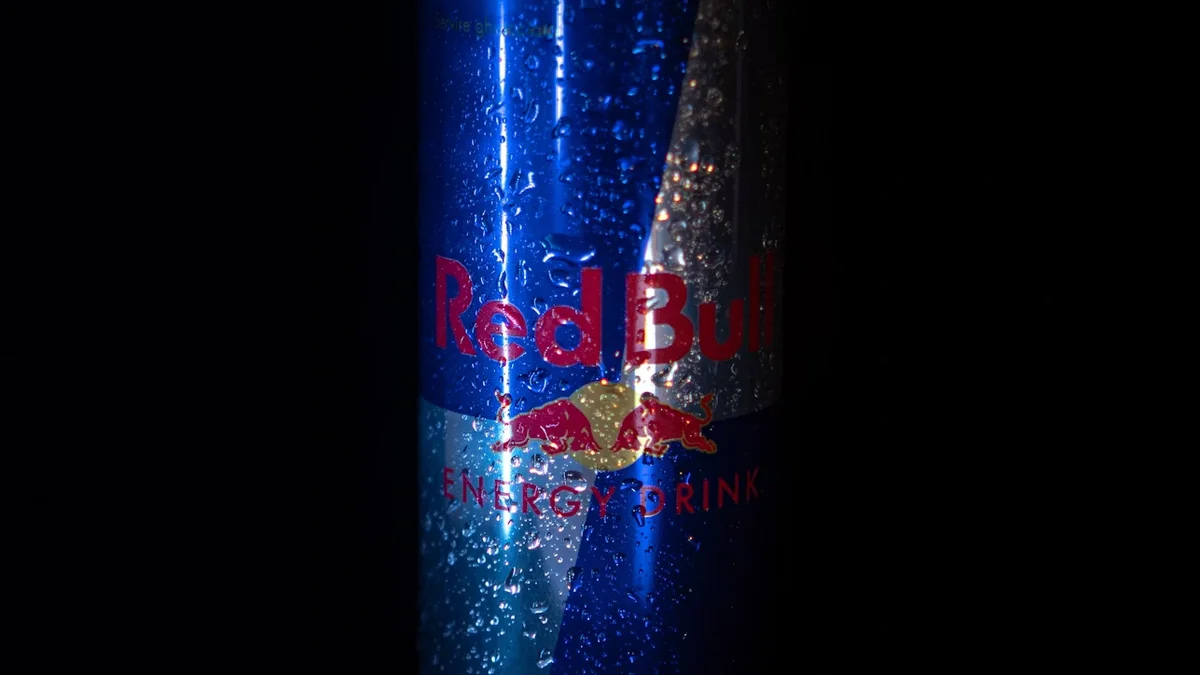
The Food Safety and Standards Authority of India has ordered Red Bull, PepsiCo, Monster and several other makers of high-caffeine beverages to strip the term "energy drink" off their packaging within 90 days. It's not a suggestion.
The regulator is holding its ground even as the companies involved have pushed back, according to Reuters which is notable, because these aren't small players quietly absorbing a compliance cost. Red Bull alone has been selling in India for close to two decades.
The core issue is almost bureaucratic in its simplicity, which somehow makes it more effective. FSSAI's position is that it has never notified an official standard for "energy drink" or anything resembling it under the Food Safety and Standards Act, 2006.
The category simply doesn't exist in the regulator's own rulebook. Worse, the regulator says brands have been leaning on the Food Category System from the 2011 food products regulations a classification tool that was never meant to double as a naming or labelling license to justify calling their products "energy drinks" in the first place.
Then there's the language on the cans themselves. FSSAI flagged phrases like "vitalises body and mind", "enhances focus," "boosts energy levels," and "aids in general weakness" as functional or therapeutic claims the kind of language that's simply off-limits for a food product under Indian law, energy drink or otherwise. Read those phrases back to back and they start to sound less like marketing copy and more like something you'd find on a bottle of tonic from a century ago.
FSSAI's argument, essentially, is: this is a caffeinated beverage, not medicine, so stop writing labels that suggest otherwise.
At least six brands were named when this first surfaced as a round of notices in early July: Red Bull, Monster, PepsiCo's Sting and Adrenaline Rush, Reliance's Campa Energy, and Hell Energy.
What's changed now is that the notices have hardened into an actual order, with a fixed 90-day runway and, per Reuters' Aditya Kalra, resistance from the companies that hasn't shifted the regulator's position.
Here's why this matters beyond a labelling technicality: India's energy drink market was worth roughly $1.5 billion in 2025, and industry estimates put it on track to nearly double, to around $2.9 billion, by 2034.
That growth has been fueled almost entirely by urban, younger consumers the exact demographic that responds to phrases like "boosts energy" printed in bold across a can.
Which is what makes the industry's discomfort understandable, even if FSSAI isn't inclined to indulge it. Renaming a category isn't just a font change. "Energy drink" carries decades of brand association and shelf recognition that terms like "carbonated beverage" or "caffeinated drink" simply don't.
Swap the word out and you're not just updating packaging you're asking consumers to recognize the same product under an unfamiliar name, at scale, across every retailer and every SKU, inside three months.
This isn't FSSAI acting out of nowhere, either. The regulator has spent the past year going after loosely defined or overstated labelling across the food industry ordering companies to drop "ORS" from rehydration drinks that don't meet WHO formulations, cracking down on "100% fruit juice" claims on reconstituted juice, and pushing back on vague "healthy food" marketing more broadly. Energy drinks are just the latest, and probably the highest-profile, category to get the same treatment.
Whether the industry eventually finds a workaround for the language "performance drink," maybe, or something vaguer still or challenges the order outright remains to be seen. What's clear is that FSSAI isn't treating this as up for negotiation.
The clock on those 90 days is already running.
FSSAI has ordered Red Bull, PepsiCo, Monster and other beverage makers to remove the term "energy drink" from their labels within 90 days, escalating notices first issued in early July against six brands: Red Bull, Monster, PepsiCo's Sting and Adrenaline Rush, Reliance's Campa Energy, and Hell Energy.
The regulator says no official standard exists for "energy drink" under Indian food law, that the Food Category System was never meant to be used for product naming, and that functional claims such as "boosts energy levels" or "vitalises body and mind" aren't permissible on food products.
The order stands despite pushback from the companies involved, per Reuters. India's energy drink market was valued at about $1.5 billion in 2025 and is projected to near $2.9 billion by 2034, making the rebranding a significant undertaking for an industry built around the very term it's now being told to drop. The move follows similar FSSAI crackdowns this year on misleading "ORS" and "100% fruit juice" labelling.