I
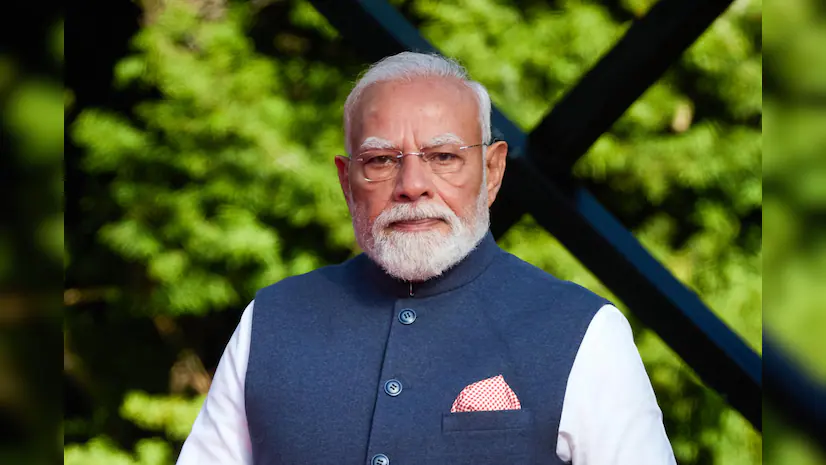
n a bid to demonstrate India’s desire for strengthening its strategic partnership with Uzbekistan, Indian Prime Minister Narendra Modi will be making a visit to Uzbekistan. The visit comes amid India’s growing diplomatic and economic engagements with Central Asia.
Some of the issues on the agenda of Prime Minister Modi’s visit include discussions with the President of Uzbekistan, Shavkat Mirziyoyev, regarding India-Uzbekistan cooperation.
Trade and investment cooperation is one of India’s key concerns during this visit.
Cooperation in the economic sphere is also expected to play a vital role in the visit. The two sides are planning to develop their trade and investment relationship and open up new business opportunities for companies from both nations.
Areas for cooperation could include pharmaceuticals, healthcare, technology, energy, agriculture, and digital connectivity, among others. India’s pharmaceutical companies have already established a strong presence in Uzbekistan, which makes the healthcare sector a key point of growth.
The importance of Uzbekistan for India’s Central Asia strategy cannot be overstated. Being situated in the very center of the region, Uzbekistan offers India good prospects to deepen its economic and strategic presence there.
India has been establishing its connections with Central Asia through diplomatic talks, trade, education, and security cooperation in recent years. Uzbekistan, with its big population and developing economy, is of particular interest for this process.
Strong cultural and historic roots of Indian-Uzbekistan relations.
Moreover, relations between India and Uzbekistan have a long history and strong cultural roots. Cinema, music, education, and other cultural values of India have been popular in Uzbekistan for decades.
Security and defense are other aspects that are going to be discussed. India and Uzbekistan have had joint military exercises in addition to cooperation in countering terrorism and related security matters.
In light of the growing threat of terrorism and insecurity, as well as the geopolitics in the broader region, the security aspect has gained significance in the cooperation between the two states.
India has viewed the Central Asian region as a partner for regional stability and security.
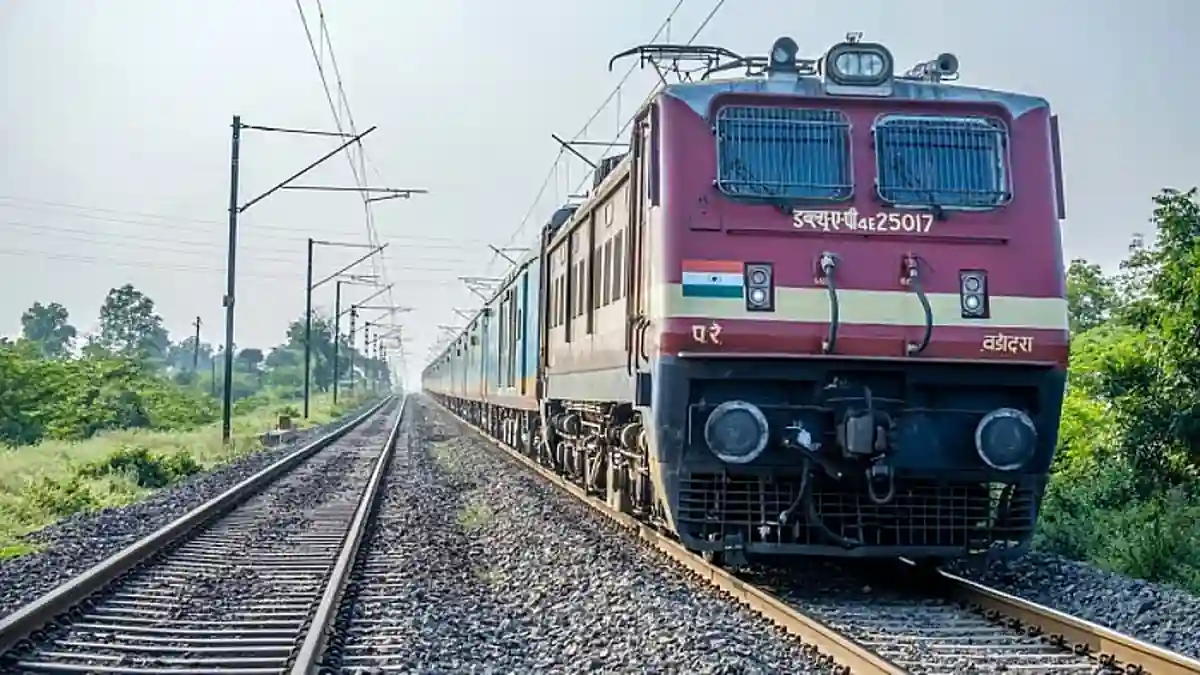
Connectivity is another important aspect of the engagement of India in Uzbekistan. India has had the intention of improving its connectivity to Central Asia via alternative means of transportation and trade.
Improved connectivity would enable the two countries to have mutual benefits via projects involving India accessing the markets of Central Asia. It could improve logistics and hence promote business transactions.
Energy and other resources have gained significance as India continues to look for alternative sources of energy and raw materials.
Aside from economics and security, there are other important connections between India and Uzbekistan.
These include education as scholars from India have been studying in various universities in Uzbekistan. Academic exchange programs have been promoted.
Modi will stress on these connections in his tour.
Modi’s trip to Uzbekistan is one of the measures which the Indian government is taking to bolster its presence in the Central Asian region.
The reason why Central Asia has become so significant is due to its geographical location, natural resource endowment and association with major world powers. The Indian government aims to cultivate better relations with this region through trade and economic development.
At the same time, the diplomatic visit will provide India with an opportunity to show the world that India’s interest in the Central Asian region extends not only to its diplomatic relations but also to business, technology, education, military affairs and culture.