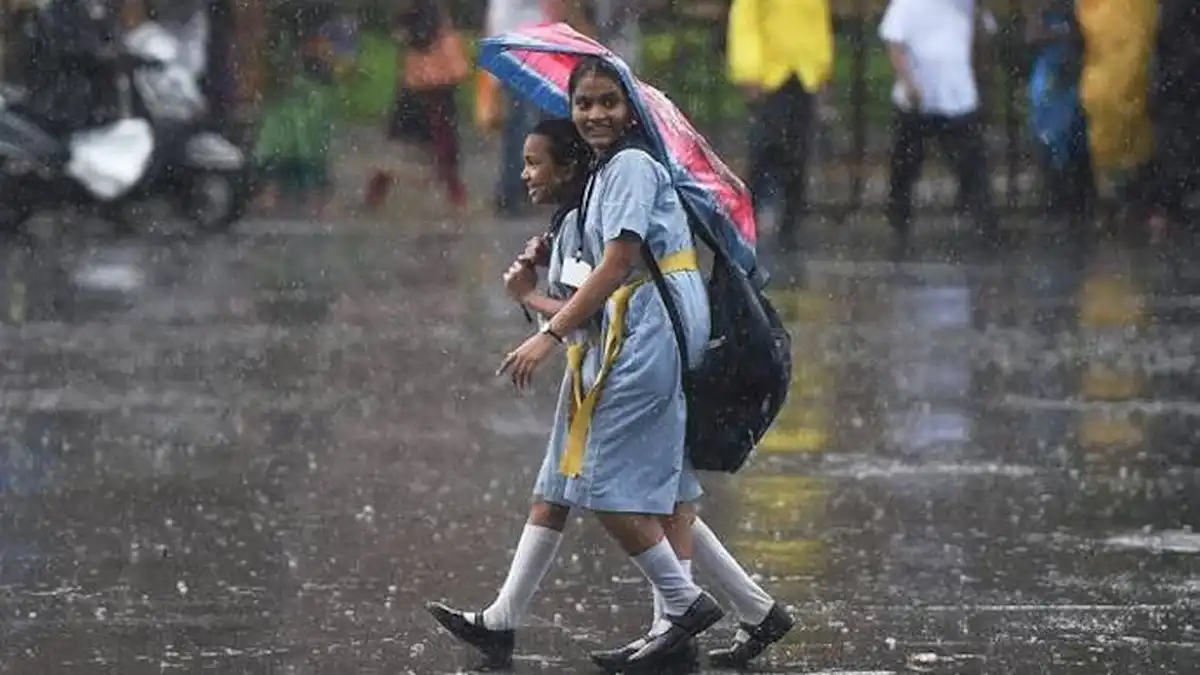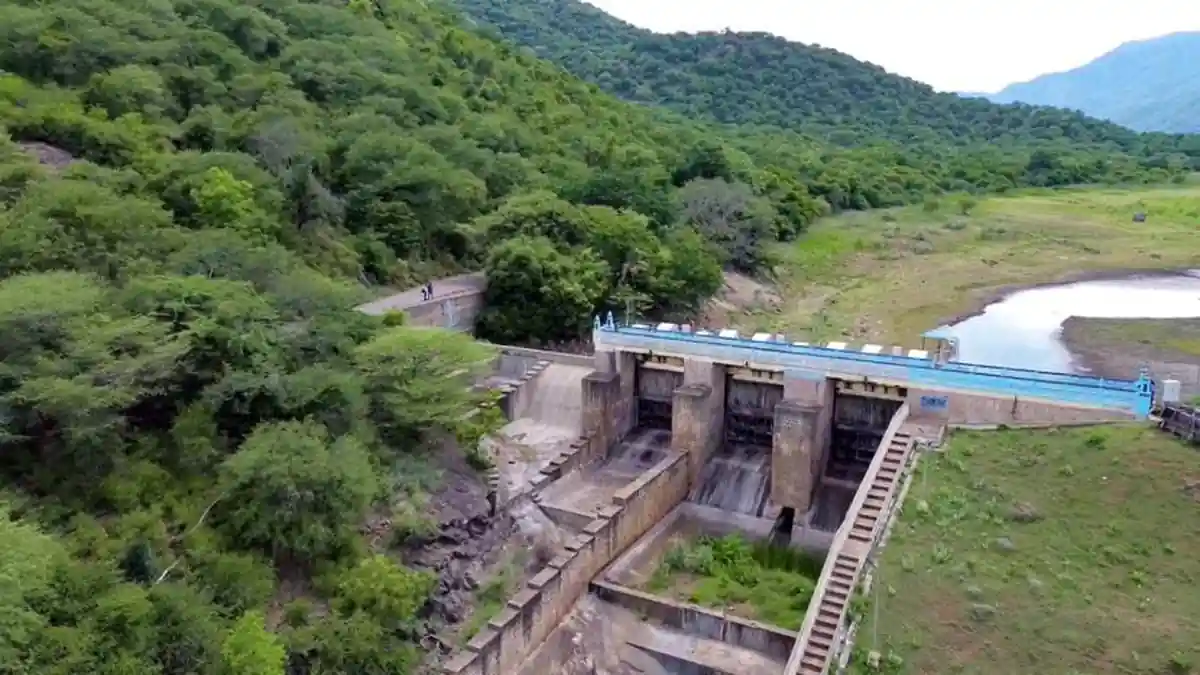
With the passing weeks of 2026 monsoons nearing the end, major dams of India are being held of far less water than previous year, to the same week.
With the issue of CWC for 27 August 2026, it declared that 166 dams that it supervises throughout India held 125.299 billion cubic meters (BCM) of live storage - approximately 67.83 percent of their cumulative capacity.
That is contrasted with 153.083 BCM recorded during that same week last year, creating a notable gap year on year even through monsoon showers.
This is consistently reported through the whole month of August. Just a week before, during the first week of August, the CWC bulletin stated an average live storage of 117.773 BCM (64.16percent capacity), down from 142.348BCM during the same week previous year.
In both the readings, the gap created year on year, for 2026 and 2025(117.773 BCM)is doubled digit.
A comparative breakdown of this gap across states demonstrates that not all states are equally impacted from lack of rain this monsoon season.
The northern part of India which includes Himachal Pradesh, Punjab & Rajasthan, shows that the states collectively had 60.16% of their dams filled up, this year compared to 90% during same time last year; largest dip recorded in any region, this monsoon season.
For eastern states- Assam, Bihar, Jharkhand, Odisha and West Bengal and surrounding areas, shows the ratio 61.86% filled up this year compared to 66.79% last year; still greater than north region in terms of this gap.
Most recently bulletins report western regions comprising Goa, Gujarat, Maharashtra above 80% capacity through entire season, this year making it best-placed region so far.
Southern states – Andhra Pradesh, Karnataka, Kerala, Tamil Nadu and Telangana, on the contrary, has been constantly on the list of weak performances throughout the year with storage falling even to as low as 30% during the earlier season stages and pre monsoons, 69% down from last year for those same periods.
According to officials and water-sector analysts, the principal factor behind this year’s deficits is an uneven distribution and, in many instances, late arriving monsoon.
Certain individual reservoirs such as Chandan dam in Bihar and Bhima-Ujani in Maharashtra reached near or zero levels earlier in the year a reminder that individual catchment area shortfalls will appear as reservoir-specific problems even when national figures seem about average.
The impacts are felt far beyond the agricultural sector.
Reservoir levels not only supplement urban and rural drinking water requirements but also sustain both kharif and the upcoming rabi irrigations as well as provide states with much of the necessary generation for their electricity during and after the monsoon season.
A sustained comparison to last year indicates higher probabilities of strict water rationing, less electricity from the country’s hydropower sources, and water scarcity for irrigation needs during the rabi season, should water levels in individual reservoirs fail to sufficiently recharge before the season's end.
Analysis also offers some reassurance, based on data showing several points of time this year when national water storage levels had remained higher than the last ten years average, though slightly below last year’s corresponding numbers and revealing a comparison that points to last year as an exception rather than the norm.