T
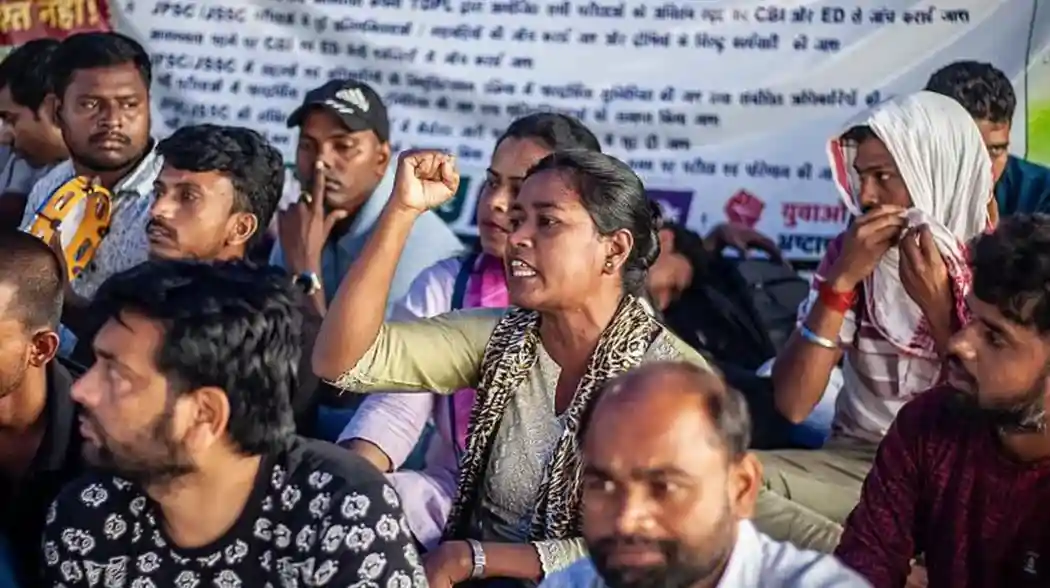
he peaceful protest which has been ongoing at Ranchi for the last 23 days or so reached a peak when students and aspirants alleging irregularities in the examination of JPSC and JSSC marched from Jaipal Stadium to Albert Ekka Chowk and set fire to the effigies of three leaders including Chief Minister of the state Hemant Soren, Congress party president Rahul Gandhi and Tejaswi Yadav of RJD.
None of it was done spontaneously or unexpectedly. Rather, it was preplanned and carried out in all 24 districts in a manner so that none in either Ranchi or in New Delhi could remain indifferent to that.
None of it happened without reason. The protest had been going on for over 23 days and in its course, there had been just one demand — cancel the JSSC-CGL exam and some other older exams and ask the Central Bureau of Investigations to investigate in the irregularities of the examinations and get retired judges from outside the state to probe into it, if not the CBI.
As per reports, nothing much has been done till date in that regard.
Though the government has given some kind of response already, agreeing to cancel the 14th JPSC Exam along with some other past exams yet, it seems to fall short of expectations since the exam which the students want most to be cancelled, is still in place.
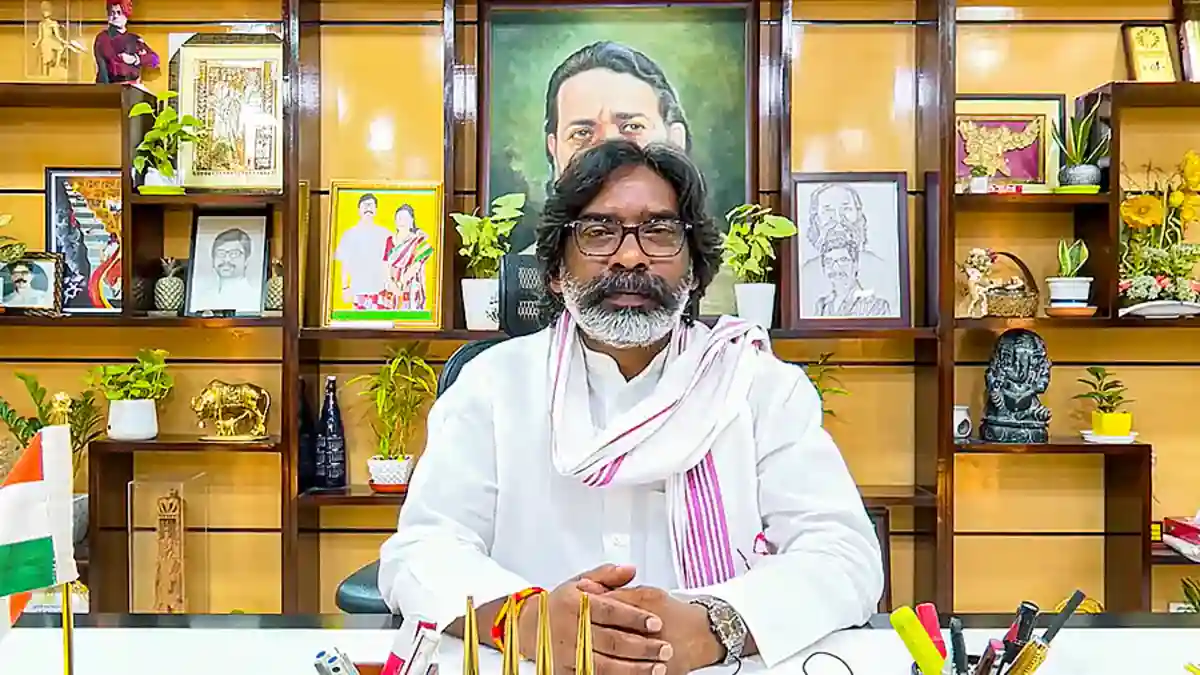
It wouldn't be the first time an effigy has been burned in Indian political demonstrations, but the three named in these cases weren't chosen at random. First of all, Soren – he is the Chief Minister, and any recruitment scandal in a particular state gets dumped into his lap.
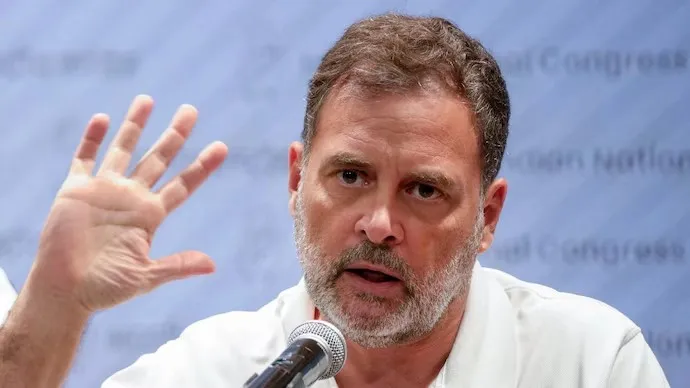
Rahul Gandhi's inclusion is more personal than that – the protesters complained that when NEET paper-leak story hit the national press in Delhi, Gandhi made himself heard and seen. The same story developed in Jharkhand, where his party is in power as a part of a coalition – Gandhi's students believe that he fell silent after that. Or rather – after one phone call declaring "we are with you".
In case of Baha Linda this attitude became particularly pronounced – the protester shaved his head on air as a gesture of mourning of sorts for Soren and Gandhi. "You cannot expect anything from the dead," he explained to reporters. Political leaders of such caliber, in his opinion, do nothing but build their family and gather votes in Jharkhand.
The gesture might be exaggerated, yes – but what can one make of this attitude of protest after a month of fruitless negotiations?
It is the same with Yadav – RJD, the party he belongs to, got similar charges of leaking papers in Bihar before. By including both of them with Soren in the set of targets, protest organizers managed to paint them as hypocrites, who care about fair exams only when it is politically necessary.
The protests did not stop at venting, though – organizers put on the table quite firm terms. The state government should agree to their demands in full until August 18.
If no agreement was reached by this point, then the organizers threaten with gherao of Chief Minister Soren's residence on August 20 – they claim that as much as a lakh of aspirants will take part in the protest action.
For the first time during this campaign, protest leaders also demanded resignation of Soren.
This point was not included among the demands just few weeks ago. According to protest organizer Piyush Kumar, one of the coordinators participating in negotiations with a four-member ministerial committee and gaining several achievements during initial talks, the gherao will remain peaceful anyway.
But those oppositional voices in the state legislature haven't been silent, either. "He [Soren] should take cognisance of students' demand and order CBI probe," says Babulal Marandi, Leader of Opposition in the State Assembly, putting the responsibility squarely back onto the government, asking whether there is anything in the case which prevents it from ordering the investigation.
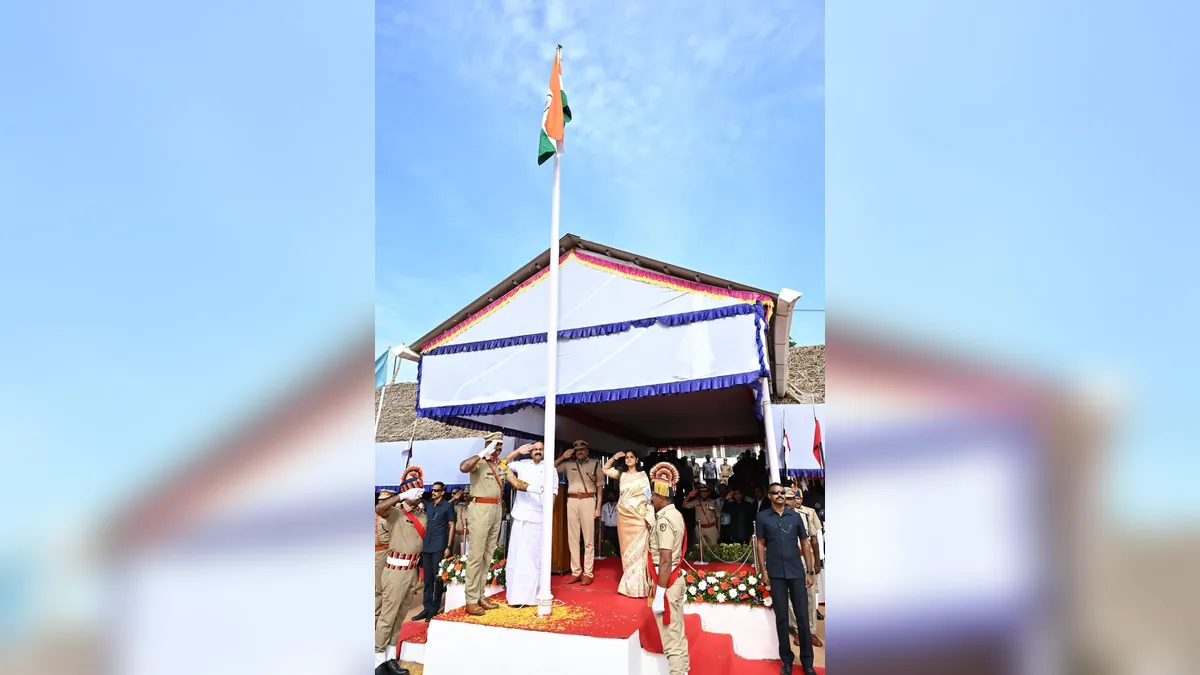
What makes the sting of this episode even sharper is that it is taking place against the backdrop of the country having celebrated its 80th Independence Day, and just the day before it, these very protesters took to the streets in Ranchi to hold their Tiranga Yatra, attracting thousands and shouting patriotic slogans like "Bharat Mata Ki Jai" and "Vande Mataram.
" Unity of spirit in the face of common enemies and then burning effigies of national leaders the very next day – that stark contrast was certainly noticed in political circles.