N
orwegians had been looking out for days at how the mood of the palace announcements grew graver and graver.
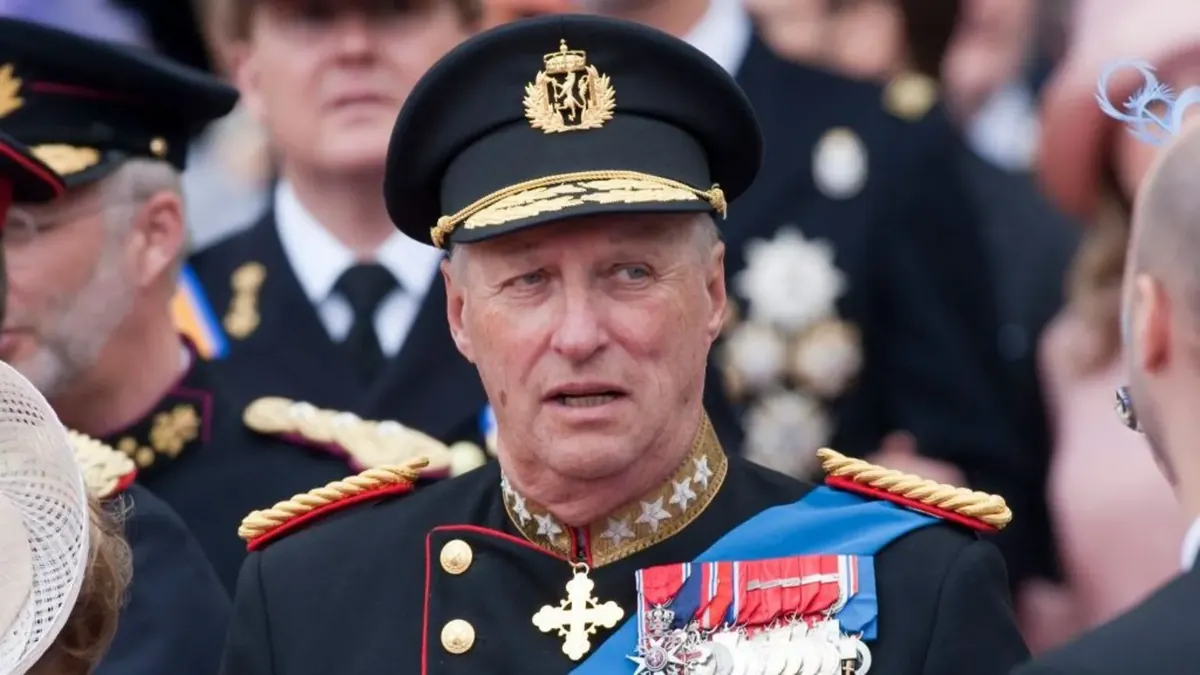
King Harald V of Norway, a child refugee to the United States in the Nazi occupation of his country and a rejecter of several European noble ladies in order to be with his school sweetheart, died Friday.
The king was 89 years old. He died Friday morning at 6:35 a.m. at National Hospital in Oslo.
News of the king's death was confirmed by the Royal House of Norway in a direct post on their own website. "With great sadness we hereby announce the death of His Majesty King Harald. King Harald died at Oslo University Hospital Rikshospitalet Friday 28 August at 6:35 AM."
However, the King's last illness progressed quickly once it began.
King Harald's condition had worsened considerably in the past few days as a result of being admitted into the hospital due to "accumulation of fluid in the body" because of a problem with his blood. An infection then occurred.
This is the beginning of the end for a King who had managed to survive through many health issues in the past, including the replacement of one of his heart valves and knee surgery in his early 80s and had appeared in public engagements until April 2025.
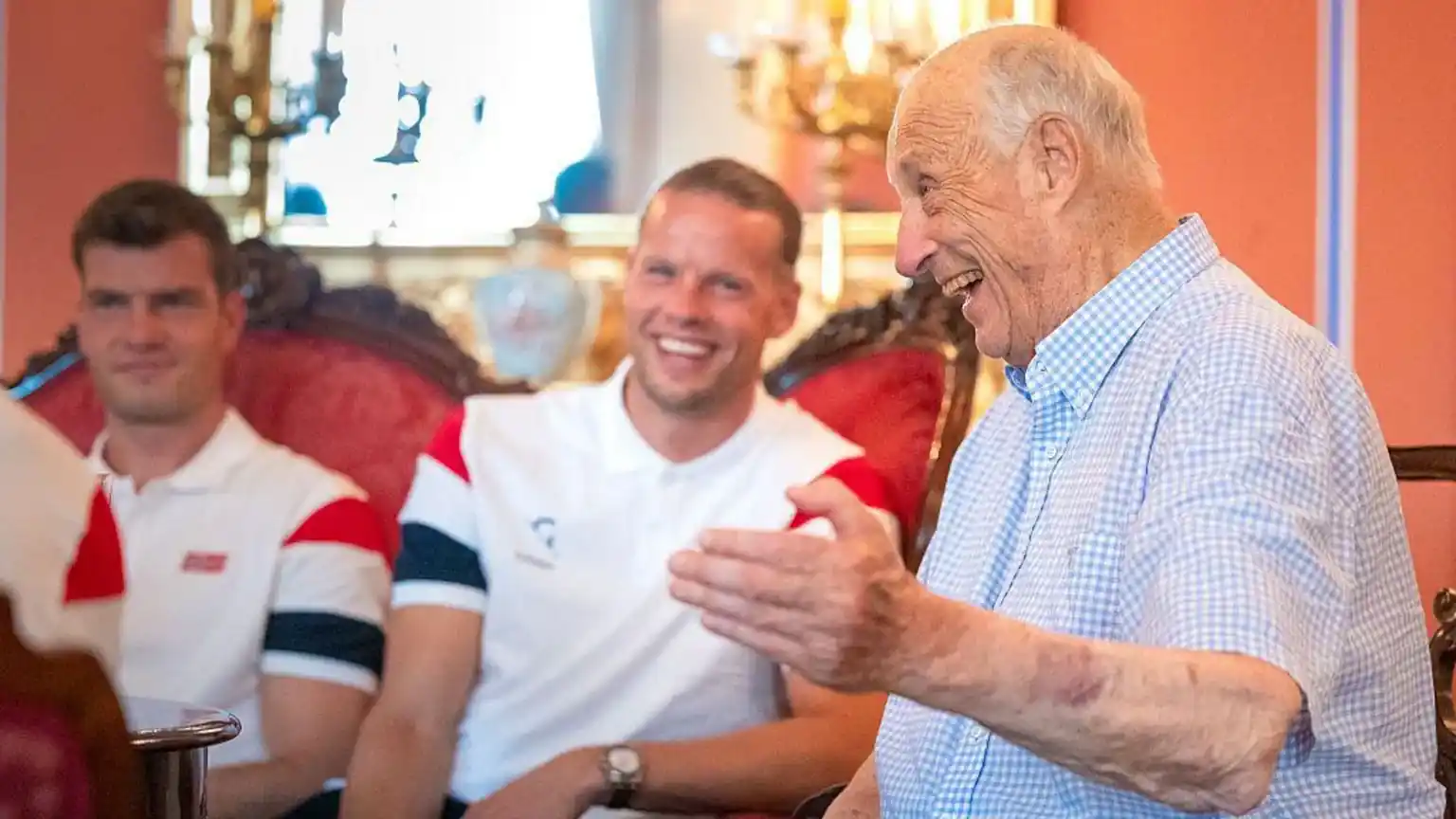
Photo: @NTB/AFP via Getty Images
Norwegian tradition of succession provided that there would be no delay, no need of a ceremony to facilitate the transfer of the crown.
It is Harald’s son, King Haakon VIII, who is to succeed him as the monarch, in accordance with the royal succession traditions of Norway from the very moment his father died.
Now it is Ingrid Alexandra, granddaughter of Harald, who will inherit the Norwegian throne, thus ensuring the royal succession tradition in Norway spans three generations into the future.
Harald’s death comes at a very awkward time for the extended royal family, more than just the sorrow itself.
The wife of Haakon, now Queen Consort Mette-Marit, had been struggling with various health issues and had recently found herself in the international limelight after news surfaced regarding her association with the deceased sexual predator, Jeffrey Epstein. Very shortly afterwards, her son, from her prior relationship, was jailed for four years due to charges of rape and domestic abuse.
This context makes the fact that Norway now has a new king sitting on their throne all the more interesting, as he does so amidst a controversy surrounding his own family.
The Norwegian political leaders were quick to react to the level of national grief.
Jonas Gahr Støre, Norway's prime minister, noted that "a whole nation is mourning" Harald, who had left the Norwegian people "bereaved of their beloved King." The tributes were not slow in coming from the other royal families of Europe either, with Britain's King Charles noting that his family was grieving the loss of "a friend whose kindness,compassion,n and devotion rang through the years and oceans," while Denmark's King Frederik and Queen Mary described Harald as "a good man with a twinkle in his eye and a big heart."
Early in Harald’s life, the theme of displacement rather than privilege set the tone for how he would come to be viewed many years later by the Norwegians.
He was born in 1937 in Asker, near Oslo, making him the first Norwegian prince to be born in Norway since King Olav IV, who was born in 1370.
The Nazi invasion of Norway took place when Harald was only three years old.
To escape being captured, his mother took him and his two sisters, Ragnhild and Astrid, to Sweden and then to the United States on a ship.
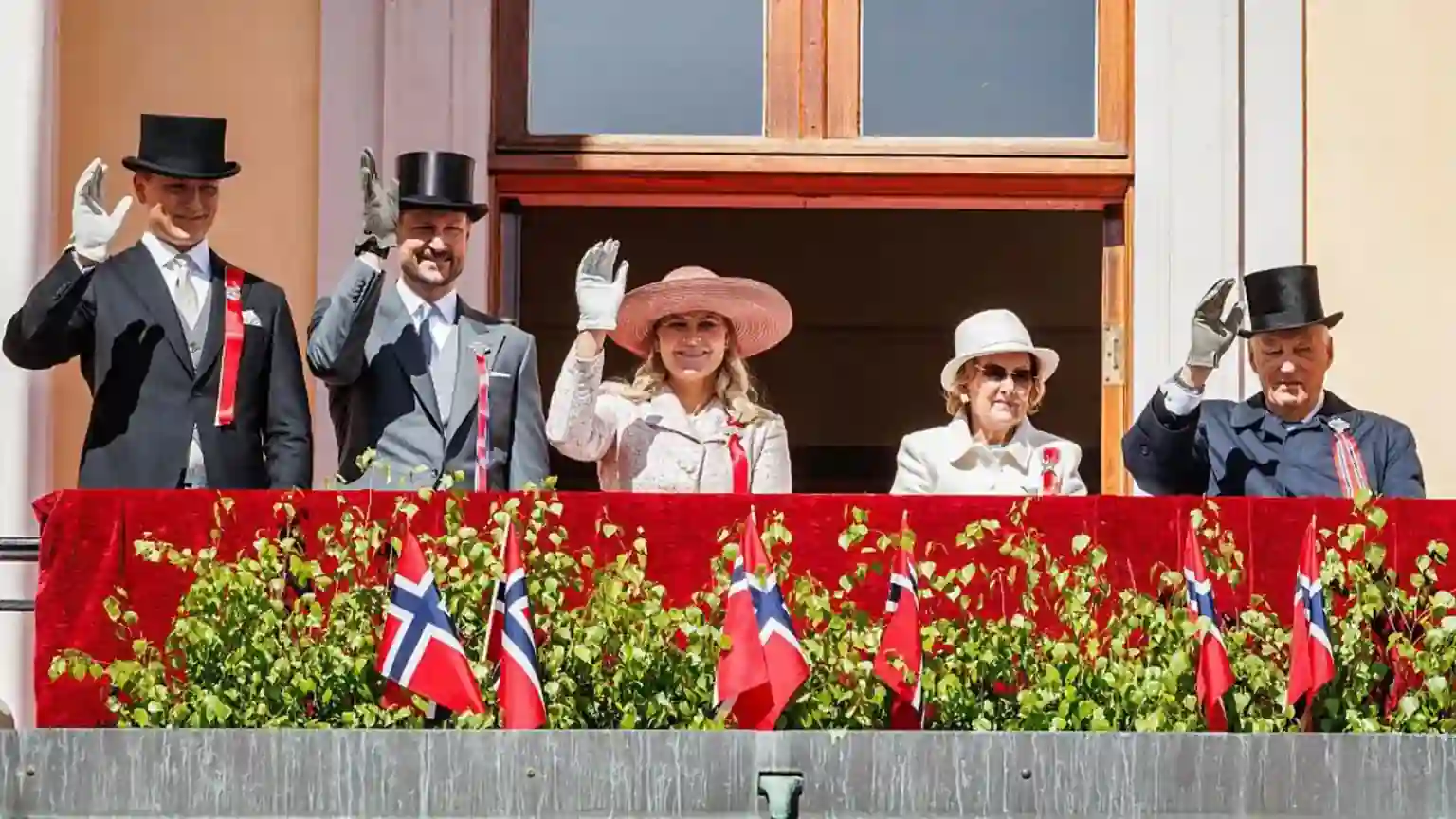
Photo: @Per Ole Hagen/Getty Images
King Harald assumed power as king of Norway after he had become king, and through this, he made it easier to establish the monarchy of Norway for many years.
King Harald became king after his father, King Olav V, who was British, died in January 1991.
The reign of King Harald was a period of immense affluence for Norway because of the economy powered by the presence of oil and gas in the nation; a period of economic boom that made Norway one of the wealthiest nations in the world.
When Harald became king, he was already 53 years old. In line with the personal wishes of both him and Queen Sonja, a consecration ceremony incorporating ancient customs was held at Trondheim’s Nidaros Cathedral in June 23, 1991.
Among the most noteworthy and celebrated episodes of Harald’s life is his refusal to adhere to the customs regarding marriages in the royal families.
Instead of marrying someone from another European royal family as it would have been expected of him, Harald rejected a series of noblewomen from Europe to get married to Sonja Haraldsen, a commoner, who had been his girlfriend in secret for years.
He leaves behind his wife of 57 years, Queen Sonja, two children, and five grandchildren, representing his life as a family man that is perceived by Norwegians as proof of his dedication to changing the institution of monarchy.
Unlike many of his fellow royal monarchs in Europe recently, Harald consciously decided how he wanted his reign to end.
Harald was not only a popular king; he modernized his monarchy but did not wish to be like many aging monarchs recently who have abdicated in favor of their sons during their lifetime, preferring to stay in power until his death.
This made Harald till Friday the oldest reigning monarch in Europe—a record now being taken by his son.
Like the majority of Europe’s remaining monarchies, the power of Norway’s royal family is primarily ceremonial in nature.
The monarchy of Norway, like any other royal family in Europe, is more symbolic than anything else; it gets to bask in its stardom while political power lies in the hands of an elected parliament of 5.5 million people.
Nevertheless, one can clearly see from the level of mourning across the country and tributes pouring in from other heads of state that symbolic power for Harald meant affection from the people.