O
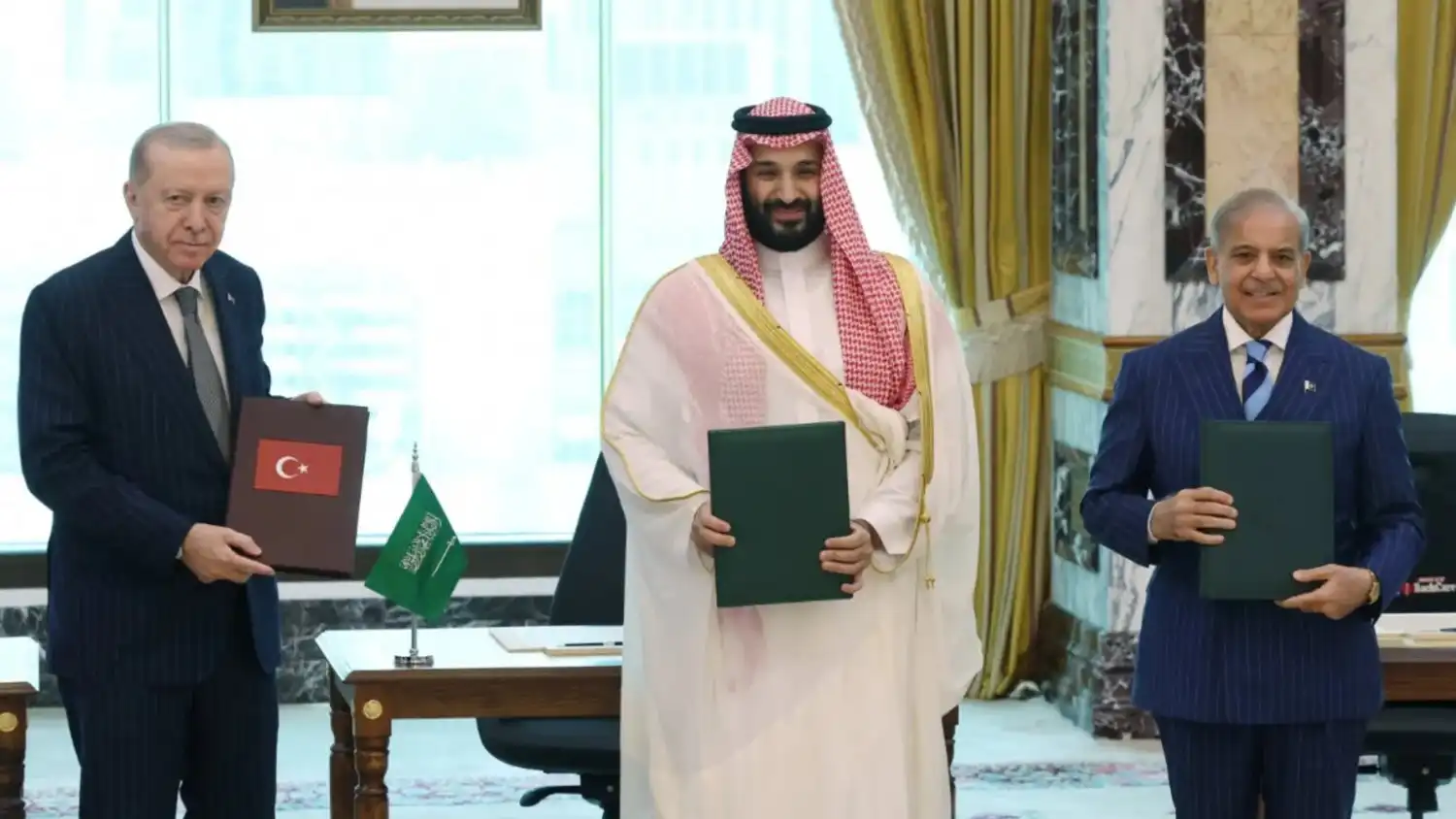
n Friday, Saudi Arabia, Pakistan, and Turkey signed a defense treaty in the city of Mecca, tying themselves down to respond to an attack on any of them as an attack on all amid Iranian attacks against their countries and stopping the shipment of energy from their lands since the attack of the US and Israel on Iran on February 28 after almost three years of turmoil in the Middle East region.
According to the officials of Saudi Arabia, the treaty is formally known as the Mecca Joint Defence Agreement and says that any armed attack on either of the three countries will be regarded as an armed attack against all three countries, according to a statement issued jointly by the governments of the three countries.
Two sources in the region aware of the development told me that this defense agreement was being discussed for almost one year now but the recent events have quickened the pace of this agreement.
The signing of the agreement in Mecca, the holiest place for the Muslims, was done deliberately for making the message of such an agreement clear since the agreement has been signed on the backdrop of the existence of bilateral military ties among the three countries since long.
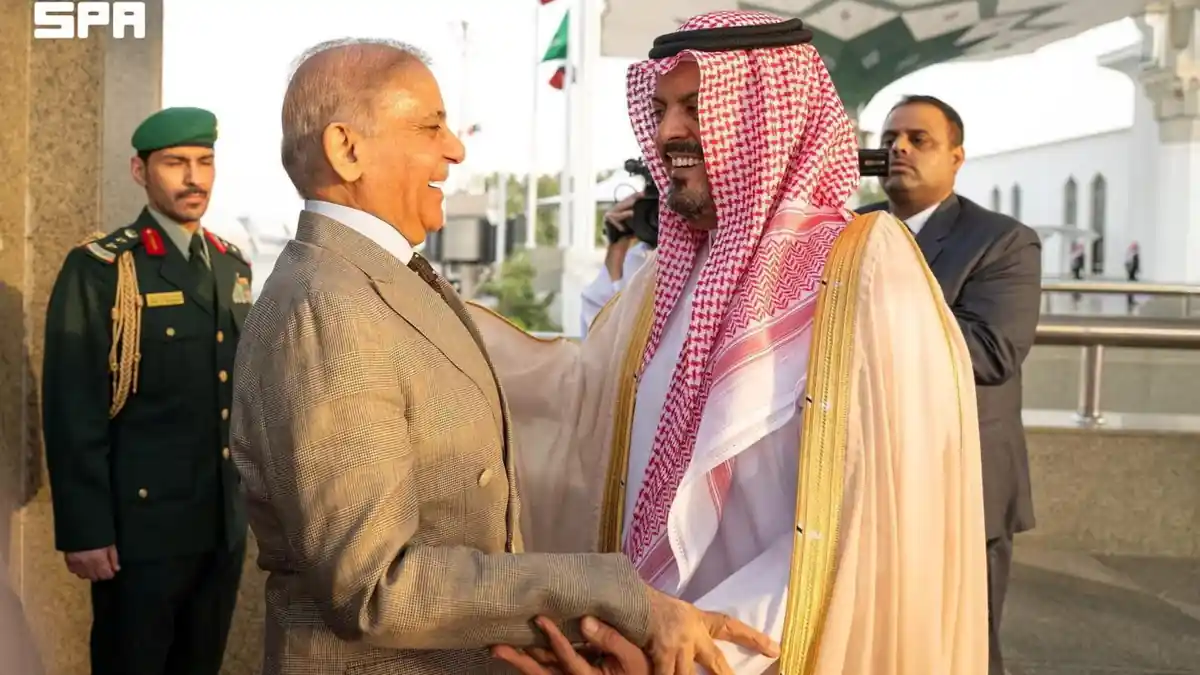
Shehbaz Sharif, the Prime Minister of Pakistan, performed umrah before coming to Mecca in last Thursday after arriving in the city of Jeddah before coming to Mecca from where he came last Thursday after the arrival of the President of Turkey in the country of Saudi Arabia on last Friday.
Both leaders had met separately with Mohammed Bin Salman, the Saudi Crown Prince who was under attack from several sides since the outbreak of war of Iran and its allies.
Even Turkish Foreign Minister Hakan Fidan has made it clear as early as in January that Turkey would be going for the establishment of a regional security cooperation.
Although there were no details in the joint statement about the commitments and obligations each side has taken up, it indicated that the agreement was meant to enhance collective security and ensure peace and stability in the region as well as beyond.
Türkiye is an ally of NATO with the second-largest military of the bloc, Saudi Arabia is the most powerful Gulf nation and one of the major oil-exporting nations of the world, and Pakistan is the sole Muslim nuclear power.
According to Mansoor Ahmed of the Australian National University's Strategic and Defence Studies Centre, Pakistan and Türkiye bring strong defense capabilities to the equation, whereas Saudi Arabia might be able to offer something from its money and technology.
All these countries have been maintaining significant bilateral military relations: Pakistan has been helping Saudi troops in training and technical assistance for many decades, Türkiye and Pakistan have been sharing naval vessels and training aircraft, and in 2023, Riyadh pledged to purchase Turkish drones in the largest defense export deal for Ankara ever made.
The trilateral agreement comes on the heels of a separate bilateral agreement known as the Strategic Mutual Defense Agreement that Saudi Arabia and Pakistan have entered into in Riyadh, which observers noted is essentially the marriage of Saudi money and Pakistan's nuclear-powered military.
According to Khawaja Muhammad Asif, Pakistan's Defense Minister in an interview with Reuters, nuclear weapons were “not on the radar” of this bilateral agreement, emphasizing that there was “no intention of using this pact for any aggression.” Pakistan's nuclear policy maintains that the country’s nuclear weapons are meant purely for deterrence against its longtime rival, India, and Ahmed suggests that this new trilateral agreement will likely not include a nuclear element for this very reason.
That being said, a senior Saudi official characterized the bilateral agreement as “a comprehensive defensive agreement that encompasses all military means,” maintaining Riyadh's ambiguous intentions regarding Pakistan's nuclear protection, which have garnered much interest from Israel, the region's only openly-nuclear-armed country.
The three states differ significantly when it comes to the degree of their exposure to the conflict in the region, and it defines the rationale for each state's participation in this treaty.
While Turkiye and Pakistan can be considered the outlying states of the Middle East and haven't faced any direct attacks, they are eager to resolve the conflicts that may become a threat to their safety and wellbeing. On the contrary, the impact of three years of the Middle East conflict was much higher on Saudi Arabia, as it faced three fronts attacking its territory, threatening its oil exports and development strategies, and calling into question the reliability of its traditional protector – the United States.
According to a top Saudi official, the country expects joint attacks of Iraqi militias and Houthis supervised by Iran soon, and this explains Riyadh's active attempts to expand its diplomatic ties beyond its relationship with Washington.
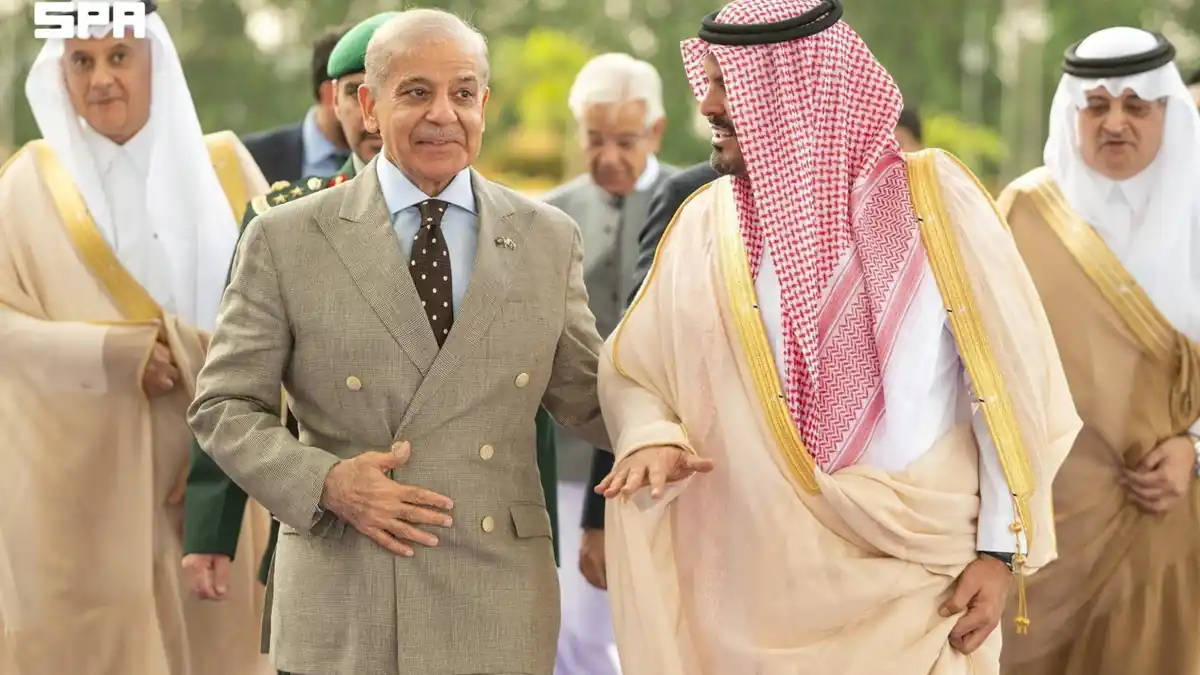
Photo: @Saudi Press Agency/Handout via REUTERS