T
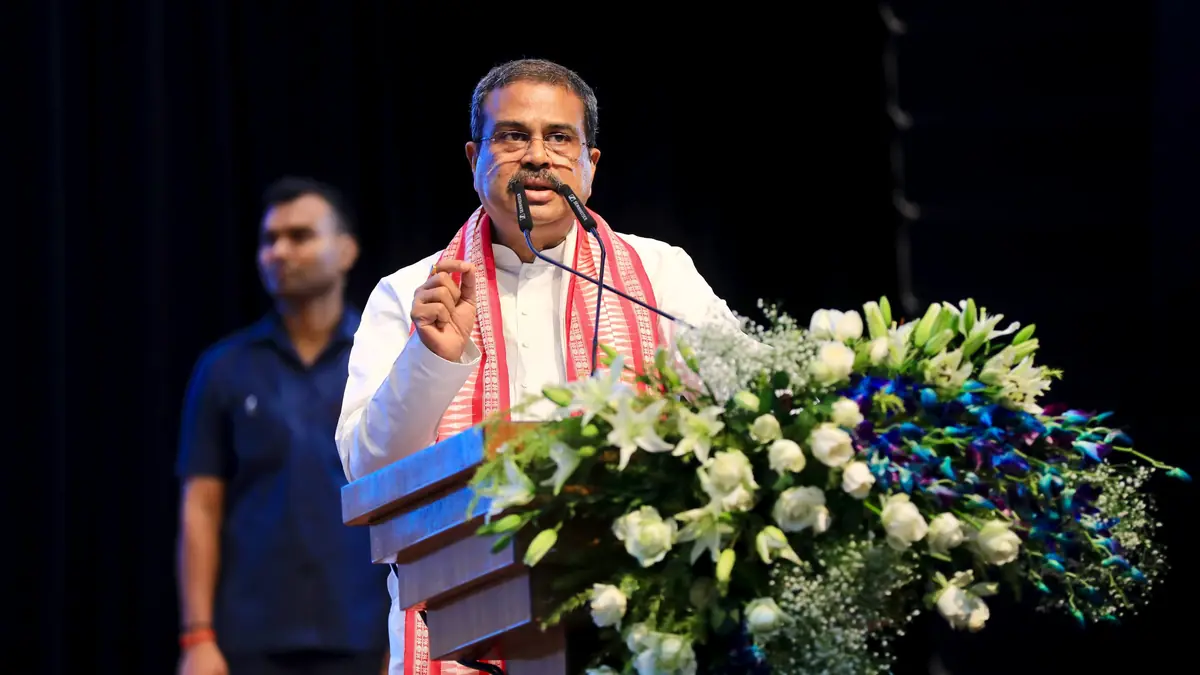
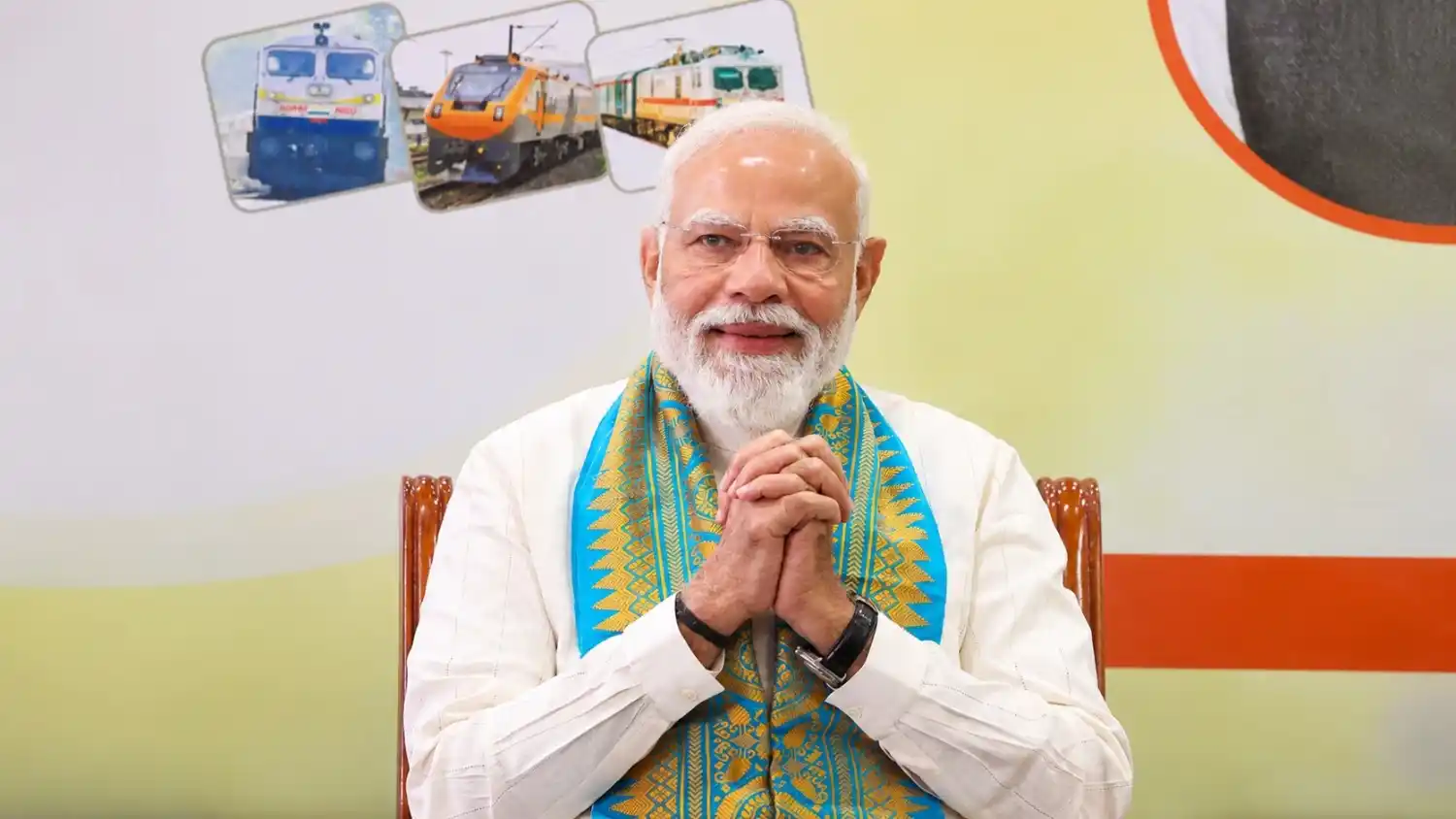
wenty-four hours after Dharmendra Pradhan walked out of the education ministry, Narendra Modi picked up his phone camera and did what he does best: turn a crisis into a video message.
On Sunday, the Prime Minister announced a "high-powered task force" on examination reforms, with Infosys co-founder Nandan Nilekani in charge of fixing a system that has, by now, humiliated three governments' worth of students.
It's a name meant to reassure. Nilekani is the closest thing India has to a civic-tech folk hero the man credited with Aadhaar, pushed hard for UPI, and lent his name to FASTag.
When the government wants a message of competence over chaos, it calls him. This time the assignment is blunter than digital plumbing: rebuild an examination apparatus that leaked its way into a national protest movement.
The task force isn't Nilekani alone. Modi named five others alongside him former ISRO chairman S. Somanath, ex-Intelligence Bureau director Tapan Deka, IIT Madras director V. Kamakoti, former education secretary Anita Karwal, and logistics specialist Amrit Lal Meena. Space scientist, spy chief, computer scientist, bureaucrat, supply-chain expert.
Read the list and the intent is obvious: cover every angle someone might exploit, from a leaked question paper to a corrupted server to a mole inside the agency itself.
Modi framed the mandate in three short declarations, almost like a pledge. "Our examination system should be reliable. Our examination system should be transparent. Our examination system should now use the most technology".
He also said something less comforting for anyone still inside the National Testing Agency: dozens of officials have already been removed, and fresh recruitment of outside domain experts is underway. Punishment first, then rebuilding that's the sequence he's selling.
None of this happens without the last 36 days. A satirical youth movement calling itself the Cockroach Janta Party a jab at both the ruling BJP and a since-notorious remark from India's chief justice comparing unemployed young people to cockroaches and parasites turned into the biggest student uprising the country has seen in years.
It started with one social media post from a young organizer, Abhijeet Dipke, after a string of paper leaks in NTA-run exams left lakhs of candidates uncertain whether their results even meant anything.
Then came Sonam Wangchuk. The engineer-educator went on a 26-day hunger strike at Jantar Mantar, and when police forcibly removed him to a hospital, the protests stopped being a niche grievance and became a nationwide flashpoint.
Crowds swelled into more than a dozen cities. Some of it turned violent. Families of students who reportedly died by suicide after their results were cancelled became the movement's most painful rallying point.
By Saturday, Pradhan had resigned "so that anti-national forces do not take advantage of this situation", he wrote, thanking the country's youth for their patience even as he stepped down. Protest leaders declared victory almost immediately.
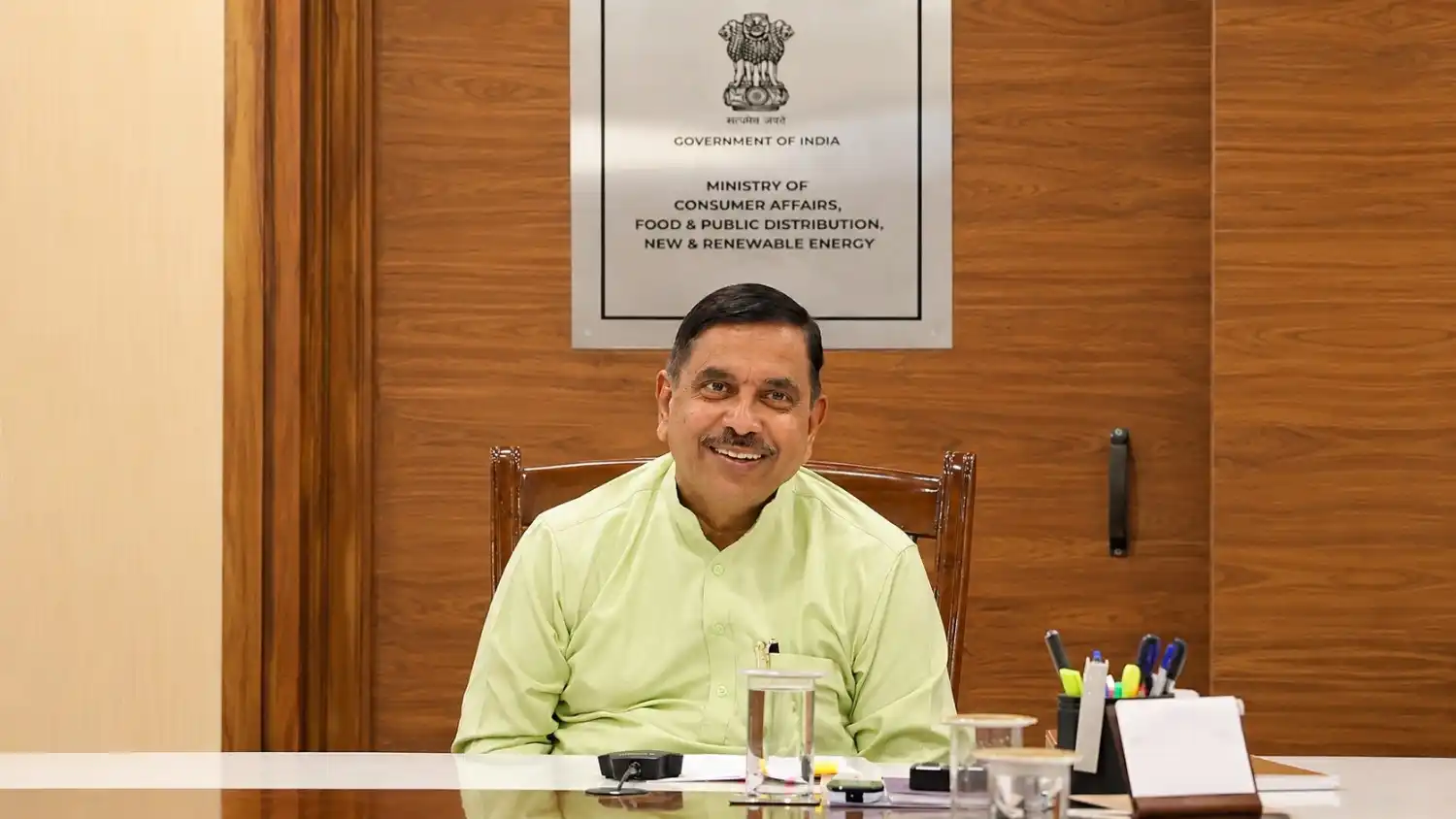
President Droupadi Murmu accepted the resignation on Modi's recommendation within hours, and Pralhad Joshi, already juggling consumer affairs and renewable energy, picked up education as an additional charge.
Not everyone is convinced a task force solves what a hunger strike and a resignation could not. Congress was quick off the mark, with one senior leader dismissing the whole exercise as, in effect, image repair a way to paper over weeks of embarrassment with a marquee name and a two-month deadline.
It's a familiar rhythm in Indian policymaking: scandal breaks, committee forms, report gets promised, headlines move on. A near-identical panel, under former ISRO chief K. Radhakrishnan, was set up after the 2024 NEET leak and produced recommendations that critics say barely dented the problem.
What might be different this time is the scale of what forced the government's hand. Ministers don't resign in India very often, and student protests rarely topple one. The Nilekani panel now carries an unusual amount of political weight expectations it was never designed to bear on committee credentials alone.
Its brief report is due in roughly two months. Whether "maximum use of technology", as Modi put it, actually stops the next leak or whether this becomes another shelf of recommendations nobody implements is the question hanging over everyone who just watched a movement built on a joke about cockroaches bring down a cabinet minister.