M
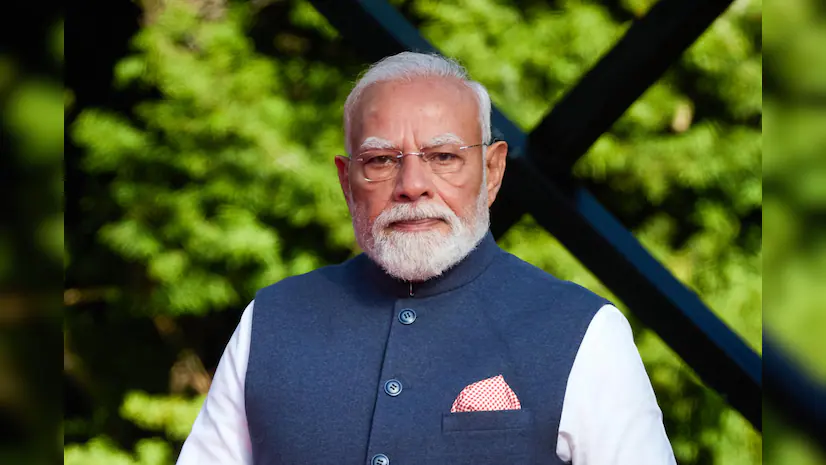
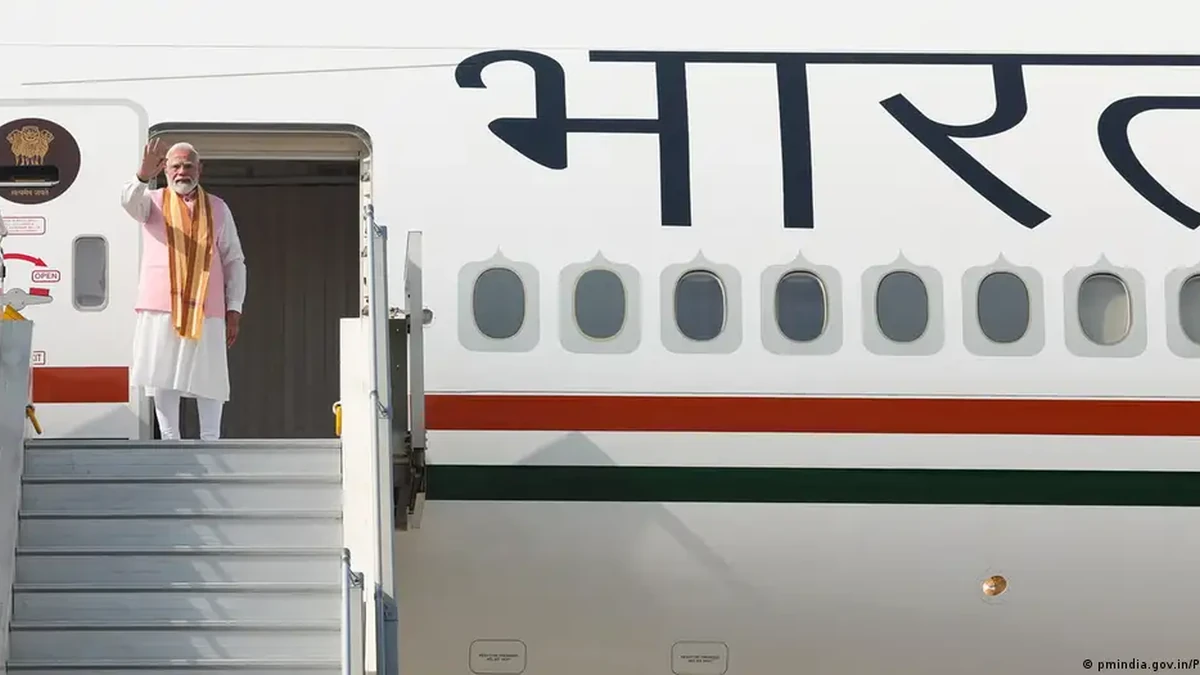
odi got on a plane for Tashkent before most of Delhi was awake on Saturday. Four days, two capitals, one 25-year-old regional bloc, and a guest list that basically doubles as a map of who's currently jostling for influence across Eurasia. By September 1 he'll have sat down one-on-one with the presidents of Uzbekistan and Russia, shared a hall with Xi Jinping and Shehbaz Sharif, and repeated a line he's used before at these things: India wants a region "free from the scourge of terrorism, separatism and extremism." He said it again in his departure statement before the plane left the ground.
It's not a throwaway line. Modi reaches for some version of it at nearly every multilateral summit these days, and it'll almost certainly come up again when he speaks in Bishkek later this week.
The trip opens with two days in Uzbekistan, a state visit at President Shavkat Mirziyoyev's invitation that India's foreign ministry has been quietly building toward for weeks. Ambassador Smita Pant, briefing reporters in Tashkent on Friday, put it plainly: this one carries weight simply because of how long it's taken to happen. Modi's last bilateral visit to the country was 2015. He's passed through since, twice, for SCO summits, but that's a different thing entirely and everyone involved knows it.
The numbers Pant threw out are worth sitting with for a second. Trade is up roughly 300 percent since 2015. Investment is up more than 700 percent. Uzbekistan, somewhat improbably, is now India's third-largest source of medical tourists, which isn't the kind of detail that makes headlines but tells you something real about how this relationship has grown past the usual summit photo-ops.
Critical minerals are the real story here, though. Uzbekistan sits on decent reserves of tungsten and rare earths, exactly the inputs India needs for batteries, magnets, semiconductors, and currently can't get without going through China. Pant called the mineral talks "very, very important" for both sides and said the two governments were looking at long-term supply deals rather than the kind of one-off arrangements that tend to fall apart. Energy, defence exchanges (India already has a technical team running cybersecurity and AI courses at Uzbekistan's military security university, which is a detail that gets buried in most coverage of this trip), and connectivity gaps round out what Pant described as a "comprehensive, extremely multifaceted" agenda. There's also a planned stop at the Shastri Memorial and the Mahatma Gandhi Centre in Tashkent, framed by Modi's office as a nod to cultural ties rather than hard diplomacy, though on a trip like this it's fair to wonder how much separation there really is between the two.
From Tashkent the whole tone of the trip shifts. Modi arrives in Bishkek on August 31 for the SCO's 26th summit, marking the bloc's 25th year, and this time the room is a lot harder to read than a tidy bilateral visit.
Xi Jinping and Modi will be back in the same space less than a year after that viral three-way handshake with Putin at last year's Tianjin summit, an image that landed right as Washington's tariff pressure on India was starting to hurt. Chinese and Indian officials met again in Beijing on August 25 for another round of boundary talks, and both sides say they're still working toward a settlement, even though the underlying dispute hasn't actually moved much. Whether any of that survives a live summit setting is honestly one of the more interesting things to watch this week. Shehbaz Sharif will be there too, which puts India and Pakistan in the same room for the first time since their brief conflict last year, so.
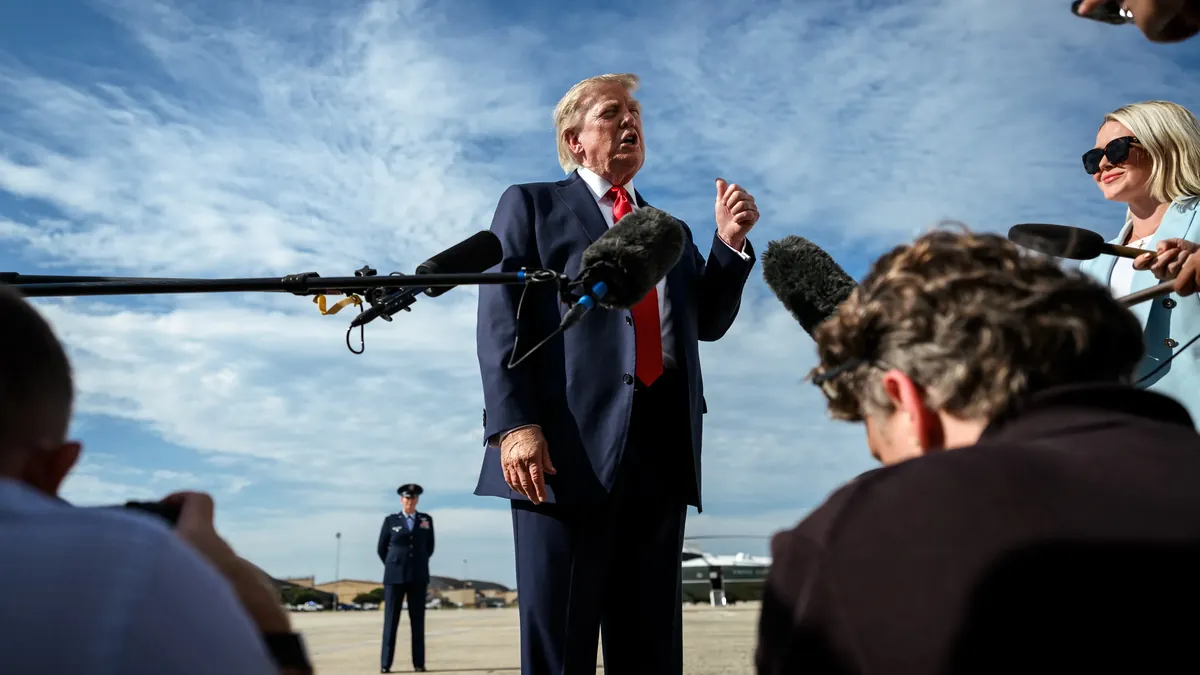
The Modi-Putin sit-down is getting the most attention, and probably deserves it. India-Russia trade keeps climbing on oil, coal and fertiliser imports, and both countries are aiming for $100 billion in bilateral trade by 2030, helped along by projects like the International North-South Transport Corridor. None of that has come free, though. The US slapped steep tariffs on Indian goods this year, tied directly to New Delhi's continued Russian oil buys, and Trump has floated the idea that Washington has essentially "lost" India and Russia to Beijing. Officials on both sides keep insisting Bishkek will be about defence and energy and the relationship generally, not any single flashpoint. Hard to fully buy that when the tariff numbers are sitting right underneath every other conversation.
One smaller thing worth noting: Modi's also set to attend the opening of the 6th World Nomad Games while he's in Bishkek, something he name-checked in his departure statement as a tradition India holds "in deep respect." Easy to skip past on a trip otherwise built around rare earths and great-power seating charts, but it's a pattern this government keeps repeating: pair the hard economic ask with a visible cultural gesture, so the story out of Central Asia isn't purely about tariffs and terror-free-region language.