T
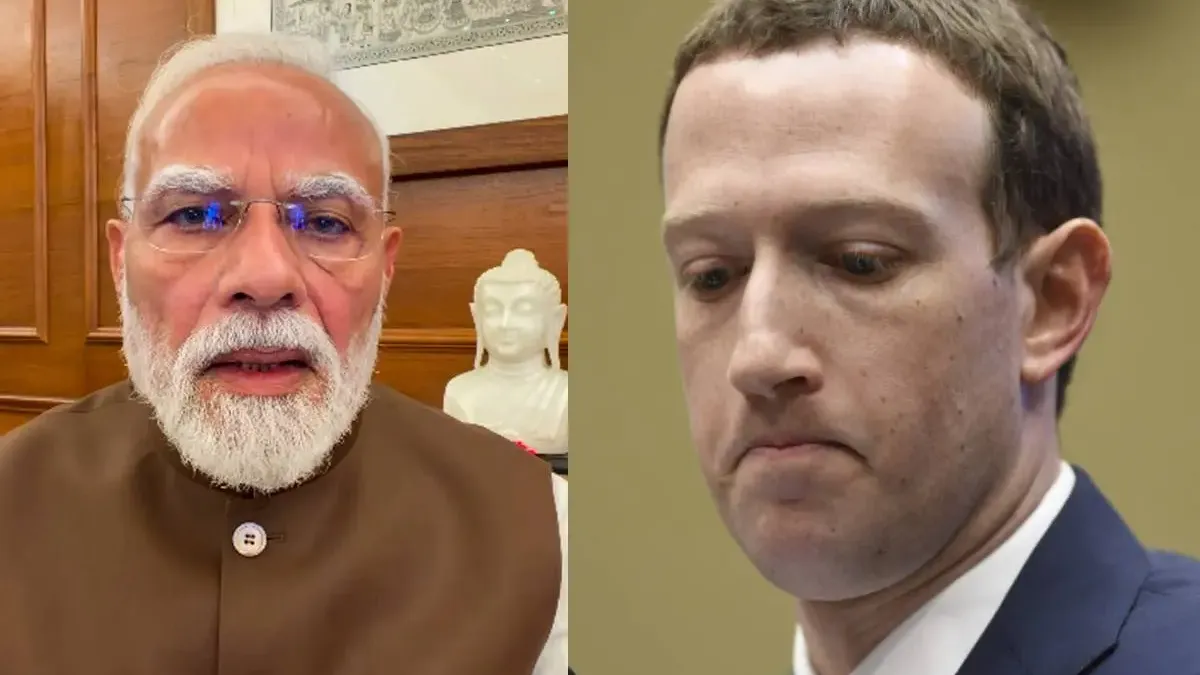
he Standing Committee on Parliamentary Affairs has sought an apology from the CEO of Meta, Mark Zuckerberg, in the next three days for the temporary deletion of the Facebook video posted by Prime Minister Narendra Modi, saying they would be taking action in terms of the Information Technology Act.
In the video, the Prime Minister discussed issues with exams with his students and Gen Z and talked about strict measures that would be taken for any leakages. The video was taken down for a few hours but put back up again.
This has been seen as not just another instance of a content moderation mistake by law makers since this concerned the country's highest leader.
The situation has brought back the issue of tensions between the ruling elite of the country and the global technology companies on matters of content management, algorithms, and how accountable these foreign companies are to the laws of their regulators.
It was evident from the official communication of the panel on how seriously it was considering the matter. In a letter addressed to the secretary of the Ministry of Electronics and IT, one of the directors of the Lok Sabha secretariat stated that the deletion of the prime minister's video from Facebook for about five to six hours had been taken very seriously and that an apology has been demanded from Zuckerberg regarding this matter during the discussions of the committee.
However, the letter does not end up just demanding the apology.
According to the letter, should Zuckerberg fail to offer an unconditional apology to the panel within three days of receipt of the letter, the immunity available to him under Section 79(3) of the IT Act will be revoked, and the necessary legal action will be taken against him as a publisher.
This is a serious threat because according to Section 79, intermediaries such as Meta are immune from any liability from the content posted by the users.
Chairman of the committee Nishikant Dubey was not hesitant while addressing the committee members and described this case as part of a wider trend and not just a slip of tongue on behalf of Facebook.
Dubey accused Facebook CEO Mark Zuckerberg of making inappropriate comments about the parliamentary election results of India in 2024 and claimed that the mind-set behind Facebook's actions is destabilizing the country, along with stating that social media platforms have ignored several instructions given by Ministries of Home Affairs and Information Technology.
Dubey further emphasized that this case depicts a serious problem on the part of the platform or it is done with an intention of harming the reputation of the prime minister.
Dubey commented that if Facebook and Instagram remove a post of the prime minister in such an irresponsible way, then it leaves much to be desired as to how the posts of normal citizens will be treated.
Meta has moved fast in an attempt to minimize any damage that has resulted from this controversy. As per Meta, the article was deleted due to a technical glitch, and Meta offered an apology for this error.
Meta mentioned that the article was deleted accidentally and put back on the platform quickly. But this explanation has not been convincing for the Indian authorities who are handling this case.
As per reports, the Ministry of Electronics and Information Technology found this explanation of Meta as insufficient, suggesting that Meta will not be able to get away with just a generic apology issued by a company official.
The difference between the explanation offered by Meta and the demand of the Indian government for an unconditional apology from Zuckerberg is what makes up the present controversy.
Zuckerberg is no stranger to Indian parliamentary questioning; there is a precedent for such an incident in the past.
On previous occasion, BJP Member of Parliament Nishikant Dubey, chairman of the Standing Committee on Communications and Information Technology at Parliament, said that the committee would summon Meta for Zuckerberg's comments regarding how most incumbent governments, including the Indian ruling coalition, have lost elections post-Covid-19.
This was finally settled with a public apology issued by a top official from Meta India. Thukral, Vice President of Public Policy at Meta India, stated on social media that although the trend of incumbent parties losing elections in 2024 is true for many countries, it is not applicable to India and apologized for his mistake.
The reoccurrence of such an event indicates a structural conflict between the way of communicating globally by Meta and the sensitive nature of politics when a country is concerned about being disrespected.
The present ultimatum should be understood in light of previous history of Indian politicians' attempts to coerce multinational technology companies with respect to their alleged discrimination, lack of compliance, and unresponsiveness to governmental instructions.
Prior events in this connection involve accusations of favoritism towards political parties on the part of the Facebook India Policy Team, as well as calls for parliamentary investigation of the company’s internal procedures. In every instance, New Delhi's readiness to use its national legislation as leverage against the companies dominating the country's digital public sphere, one of the largest social media markets worldwide, was strengthened.
While for Meta the consequences can include more than just a single letter of apology, for the authorities of the country this particular event becomes another confirmation of a broader tendency towards exerting sovereignty in relation to those platforms whose audience numbers several hundred millions of citizens.