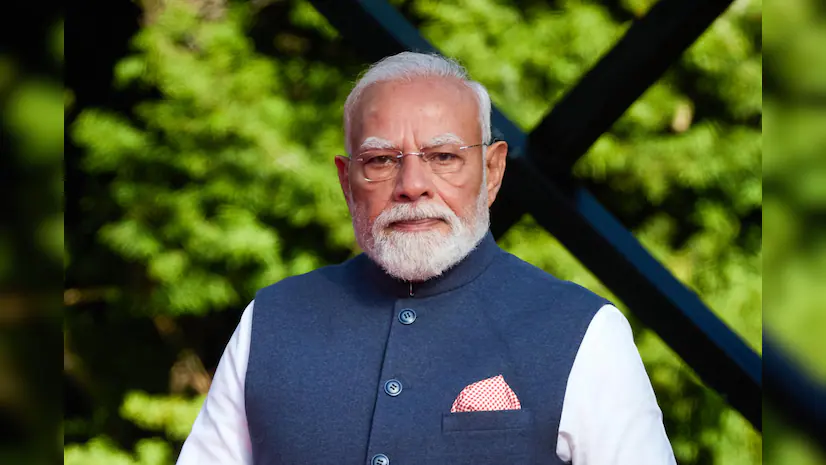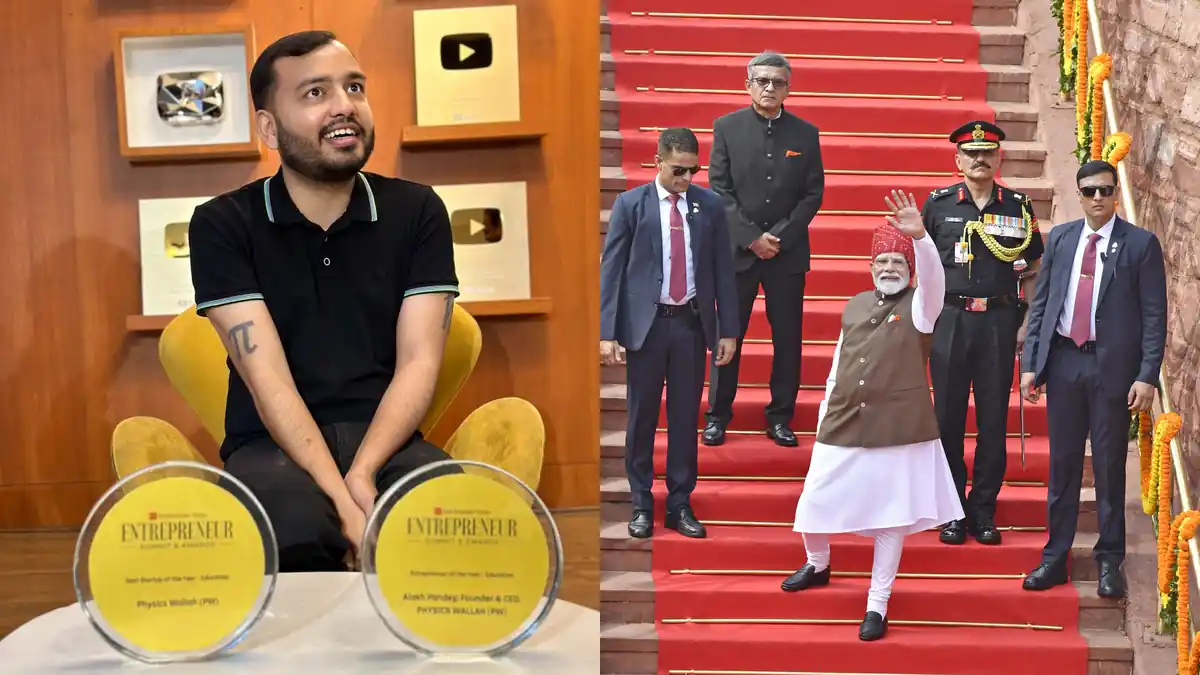
P rime Minister Narendra Modi stood on the ramparts of the Red Fort on August 15 and made a promise that a lot of Indian families have been waiting years to hear — free online coaching for competitive exams, backed by the government itself. It didn't take long for someone to answer. Alakh Pandey, the founder of PhysicsWallah, went straight to X and told the Prime Minister, in plain words, that he was in — no conditions attached, no profit expected.
Speaking from the Red Fort during his 80th Independence Day address, Modi didn't dance around the problem. He said outright that coaching classes have turned into a massive financial burden on middle-class families and that the government has decided to step in with free online coaching for various competitive exams. His reasoning was simple—India already has the digital infrastructure and the talented teachers, so why not use both to level the playing field?
He didn't stop at coaching either. Modi also laid out plans to train a crore of young Indians in artificial intelligence, folding the whole announcement into his broader "Saptadhara" vision—the seven streams of power he's been building his development agenda around. All of it, he framed, feeds into "Yuva Shakti" and the country's push toward becoming a developed nation by 2047.
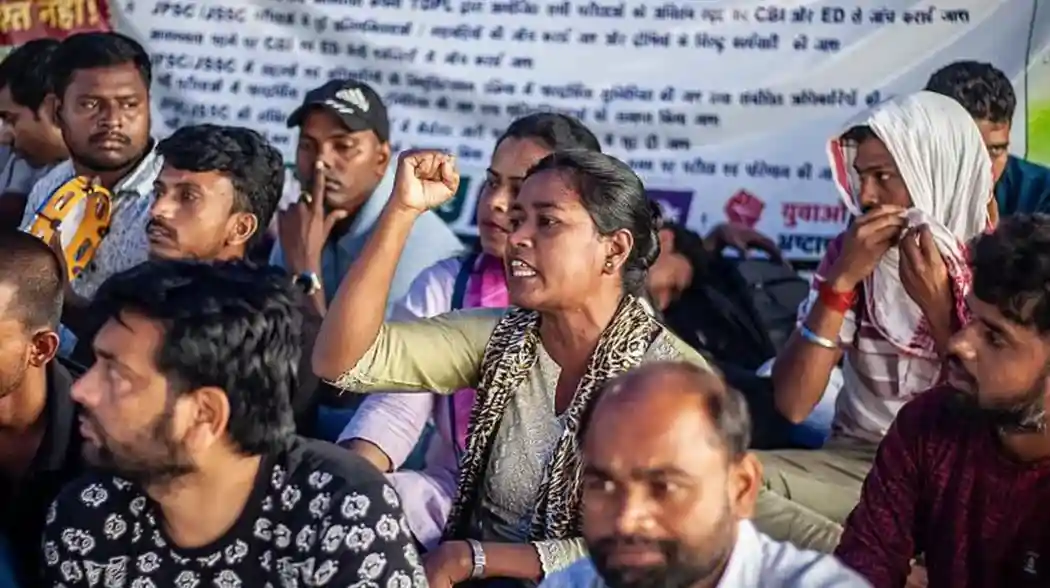
This announcement didn't land in a vacuum. Just weeks earlier, young people had taken to the streets — a sizeable protest broke out at Delhi's Jantar Mantar over alleged irregularities in competitive exams, part of a wider frustration that's been building around India's coaching culture for years. Lakhs of students spend years and their families' savings chasing seats in IITs, medical colleges, and government jobs, often paying private coaching centres sums that would be unthinkable for an average household.
Coming right after that unrest, Modi's announcement read less like a routine Independence Day pledge and more like a direct response to something the government had clearly been watching closely.
Whether that reading is fair or not, the sequence of events—protests first, sweeping promise second—is hard to ignore.
Alakh Pandey isn't just another entrepreneur weighing in on government policy. PhysicsWallah built its entire identity on the idea that quality coaching shouldn't cost a fortune, growing from YouTube lectures into one of the country's most recognised edtech platforms precisely because it undercut the traditional coaching industry on price. So when Pandey posted his support, it carried a certain weight — this wasn't an outsider commenting on an unfamiliar problem, it was someone who has spent years competing inside the exact system Modi was now promising to fix.
His message on X didn't hedge. He told the Prime Minister he appreciated the promise, said he's always believed online learning is the only real way to bring quality education to remote towns and villages, and then made the offer explicit—full support to the government, no profits wanted in return. He closed it with a line that's since been quoted everywhere: quality education should be free for every child in India.
Pandey was careful to flag one thing, though—that the idea itself isn't the hard part. Execution is. He said as much directly, making clear that he wants to actually see this working on the ground, not just announced from a podium.
Pandey wasn't the only one to respond quickly. Education Minister Joshi had already backed the announcement, arguing that free coaching could ease both the financial and the psychological weight that India's coaching culture has placed on students and their families for years.
He pointed specifically to poor and middle-class households as the ones set to benefit most, gaining a real shot at preparing for good colleges and professional courses without draining family savings to do it.
Between a government minister and a major private-sector education founder, both signaling support within the same news cycle, the early optics around the scheme look unusually aligned—at least for now.