W
ashington blinked. Not all the way, but enough.
A revised version of a bipartisan Russia sanctions bill introduced in the US Senate on Tuesday slashes the maximum threatened tariff on countries buying Russian oil and gas from a startling 500 per cent down to 100 per cent.
For India and China the two biggest buyers of discounted Russian crude since the Ukraine war began that's the difference between a number that was never going to happen and one that, uncomfortably, could.
The original Sanctioning Russia Act, floated back in April 2025, was blunt to the point of being unworkable. A flat 500 per cent tariff on any nation "knowingly" purchasing Russian oil, gas, uranium or petroleum products would have applied broadly, catching dozens of economies in its net.
Even several US lawmakers privately viewed the figure as more theatre than policy.
The rewritten version is narrower and, frankly, more serious.
It caps tariffs at 100 per cent and limits them to just the five largest purchasers of Russian oil China, India, Slovakia, Hungary and Azerbaijan. Senator Richard Blumenthal, one of the bill's sponsors, described the new approach at a Tuesday press conference as tariffs that are "targeted, narrowly limited" rather than a blanket punishment.
There's a gas-side carve-out too.
Countries importing less than 15 per cent of Russia's natural gas exports and demonstrably working to cut that further get an exemption. Senate aides say that clause is tailor-made to spare Japan, France, Hungary and Belgium, all top gas buyers with political capital in Washington.
There's a quieter story running underneath the legislative text. The bill's original architect, Senator Lindsey Graham, died suddenly on July 12 just two days before this revised version surfaced from an aortic dissection, hours after returning from a trip to Kyiv where he'd met Ukrainian President Volodymyr Zelenskyy.
Graham had spent his final weeks pushing precisely this kind of tightened sanctions package, convinced it could help squeeze Moscow toward the negotiating table.
His South Carolina seat has already been filled Governor Henry McMaster appointed Graham's sister, Darline Graham Nordone, to serve out the term.
Whether that continuity translates into legislative momentum for the bill Graham spent his final months shaping remains to be seen. Blumenthal and a bipartisan group including Senators Jeanne Shaheen and Roger Wicker say they're confident it clears the Senate by August.
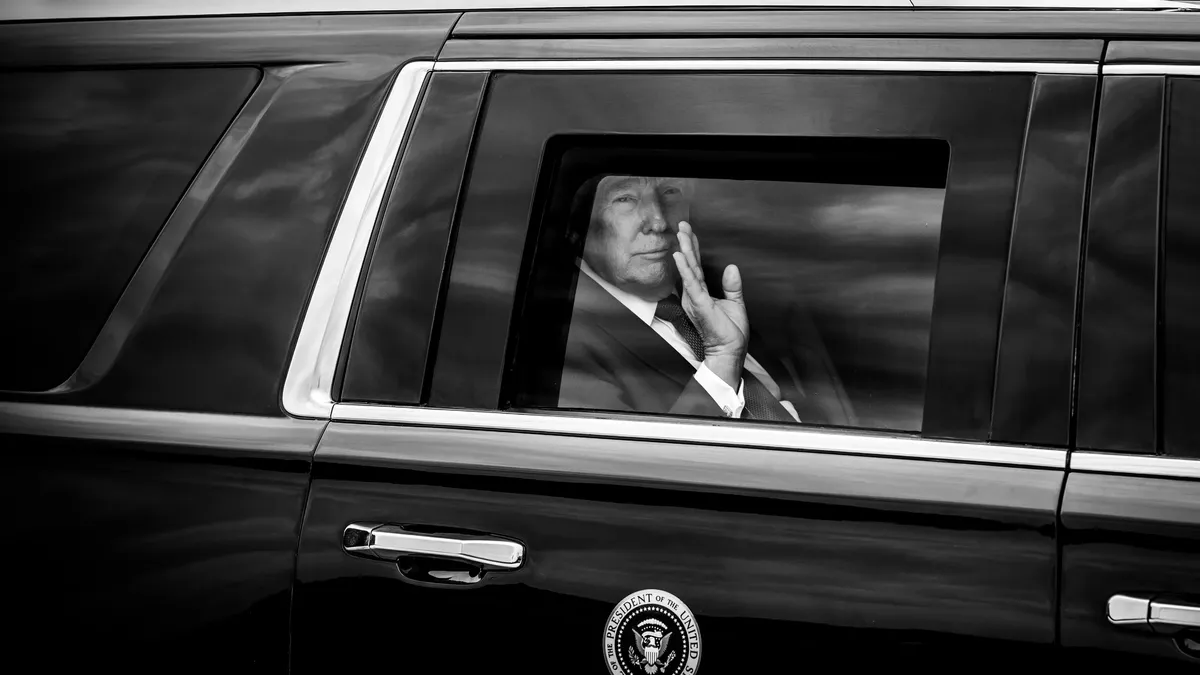
Here's the catch. The bill also gives President Trump explicit waiver authority he can suspend the tariffs entirely if he judges it in the national interest.
Given how erratically trade policy has moved this year, that discretion matters as much as the headline number.
And this isn't happening in a vacuum. Back in February, as Israeli and American strikes on Iran triggered a blockade of the Strait of Hormuz and sent global energy prices spiking, Washington quietly did the opposite of tightening the screws it lowered effective tariffs on Indian goods to 18 per cent, dropped a 25 per cent Russian-oil penalty altogether, and issued Reliance Industries a general license to buy Venezuelan crude directly.
The reason wasn't goodwill. It was that the US suddenly needed India's spare energy capacity to help absorb a market shock it had helped create.
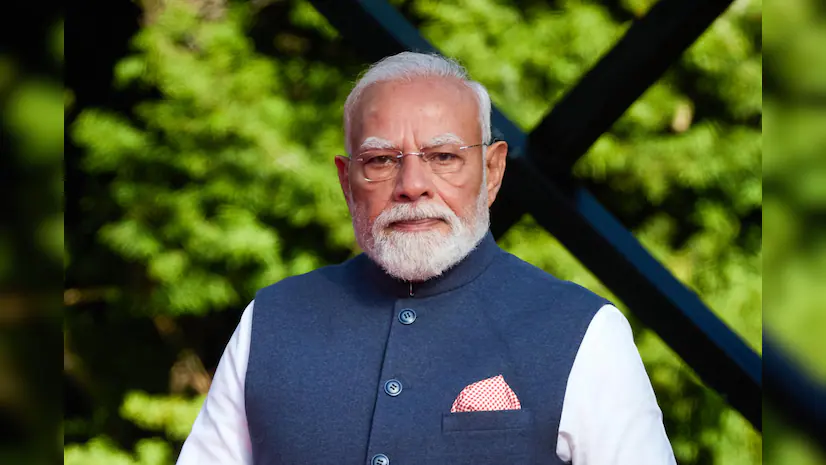
New Delhi, for its part, hasn't wavered publicly. The Modi government has repeated, in various forms, that it will keep buying Russian crude regardless of what Washington threatens.
That posture hasn't changed with this revision, and there's no indication it will.
None of this is law yet. The bill still needs to clear the Senate, then the House, then a presidential signature and Trump has floated adding fresh sanctions language on Iran and Hezbollah to the same package, which could complicate or delay its path.
If it does pass largely intact, the practical bite will depend almost entirely on how the waiver clause gets used, not on the 100 per cent figure itself.
For now, Indian markets and commentators are framing the climbdown from 500 to 100 per cent as a win.
Whether it actually functions as one or simply becomes leverage Washington holds in reserve for the next round of trade negotiations is a different question entirely, and one that won't be answered until the ink is actually dry.