M
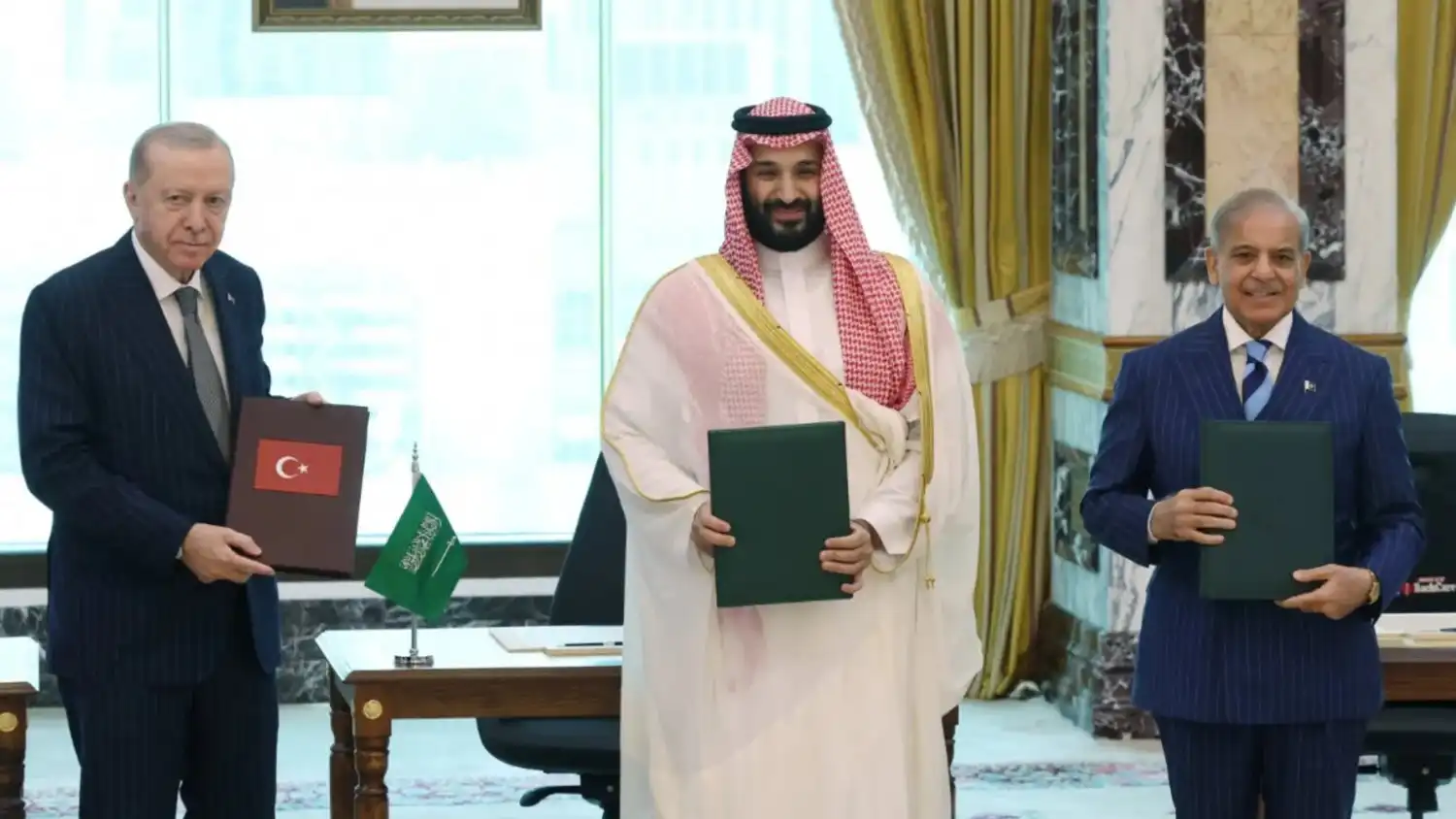
ohammed bin Salman, Recep Tayyip Erdogan and Shehbaz Sharif signed a defence pact in Mecca on Friday. One line in it does most of the work: an attack on any of the three counts as an attack on all of them. Officials are calling it the Mecca Joint Defence Agreement.
A few headline writers have already reached for "Islamic NATO", which is a stretch, but not a total one.
Riyadh and Islamabad already had a bilateral mutual-defence pact, signed last September. Pakistani officers have trained Saudi troops for years. Turkey and Pakistan have swapped warships and training aircraft.
Riyadh bought a large batch of Turkish drones back in 2023, which Ankara at the time called its biggest defence export deal ever. None of this started on Friday. Friday was Turkey walking into a room that was already half-furnished.
Each side brings something specific to the table. Turkey has NATO's second-largest army and a drone industry other militaries are actively shopping from. Saudi Arabia has money and the diplomatic weight of running the world's top oil exporter.
Pakistan has nuclear weapons, the only Muslim-majority country that does, plus a military that has fought real wars and not just exercises. Stack all three together and you get why the rest of the region is paying close attention this weekend.
Not really, at least not yet. NATO runs on a standing command structure and joint planning bodies built up over 75 years of practice. This pact, on paper, has mutual-defence language, a pledge on intelligence sharing, joint exercises, and a promise to coordinate more later.
That's thinner. Whether it grows into something with real institutional weight, or just sits there as a strong statement of intent, is not something anyone outside the three governments can answer yet.
Timing explains a lot of why this happened now rather than some other year. Iran's war with Israel and the US has passed five months and keeps spreading.
Tehran has been firing on Gulf states and threatening tankers in the Strait of Hormuz since a major escalation at the end of February. Saudi oil exports and the Kingdom's Vision 2030 plans have been sitting under that cloud since.
Turkey and Pakistan sit further from the actual fighting and have mostly dodged direct hits, but neither wants to find out what happens if the war keeps widening.
Negotiations on the trilateral piece reportedly go back close to a year, first reported by Reuters back in January. So this was in motion long before Iran's missiles started reaching further into the Gulf.
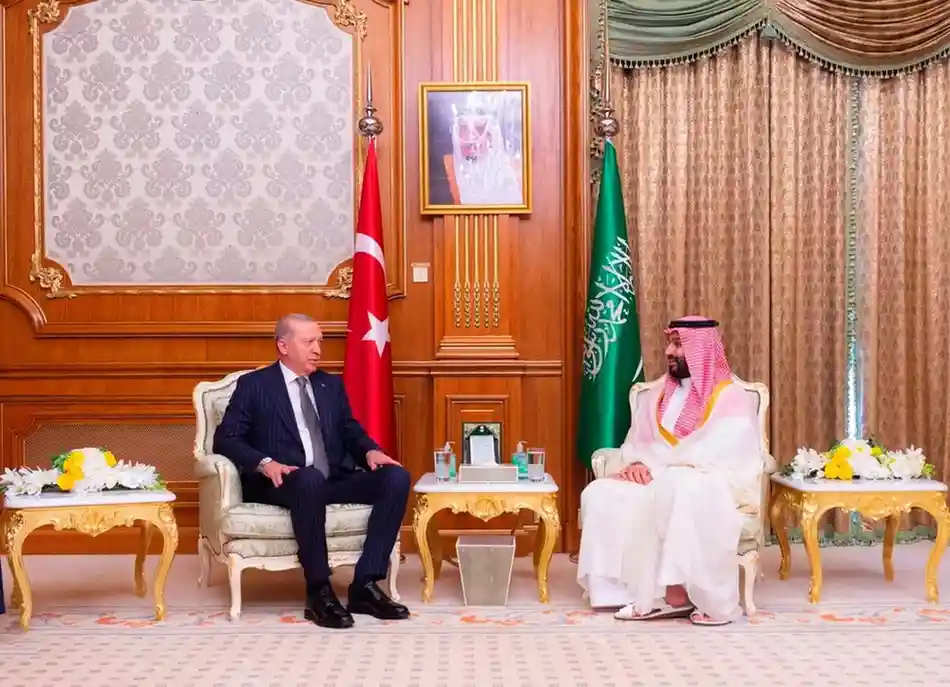
Photo: @Saudi Press Agency/Handout/Reuters
Pakistan has the bomb. Saudi Arabia doesn't, and Saudi officials have said for years that if Iran ever built one, Riyadh might follow suit. Which raises the obvious question nobody in either government seems eager to answer straight: does this new pact quietly stretch some version of Pakistan's nuclear cover over the Kingdom?
Saudi officials are trying to close that door fast. Rayed Krimly, the deputy minister for public diplomacy, posted that the deal isn't about building a military axis or a sectarian bloc, and specifically has nothing to do with nuclear ambitions or an arms race. Pakistani officials have echoed roughly the same line. Israel, which watches Pakistan's arsenal closely already, may not be so quick to take that at face value.
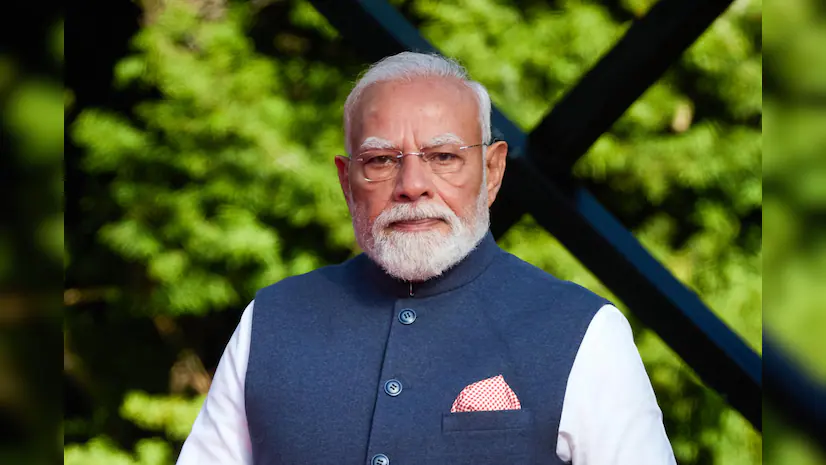
India's answer, when asked at its weekly press briefing, ran to exactly one phrase: "closely following". Ministry of External Affairs spokesperson Randhir Jaiswal didn't elaborate. In diplomatic language that usually means there's more going on behind the scenes than anyone's willing to say in public, especially with Pakistan sitting at the center of the new arrangement and a long, tense history between the two countries.
Iran was blunter. A senior official there dismissed the whole agreement as little more than paper, arguing it won't actually buy Saudi Arabia the security it's after. Tehran hasn't said much else.
None of this has been tested yet. Given where things stand in the region right now, it probably won't stay untested for long.