That's the detail almost every outlet led with. Going to see a friend. Ordinary, forgettable, the kind of thing a parent hears a hundred times and doesn't think twice about.
Days later, her body turned up in an open field in Swaroop Nagar, outer north Delhi. Decomposed. Partially scavenged by dogs before anyone found it, according to police. Reports say she'd been stabbed more than once, and that she was raped before she was killed.
She was 16. A few outlets put her at 17. Nobody's named her, which is how it should be under Indian law.
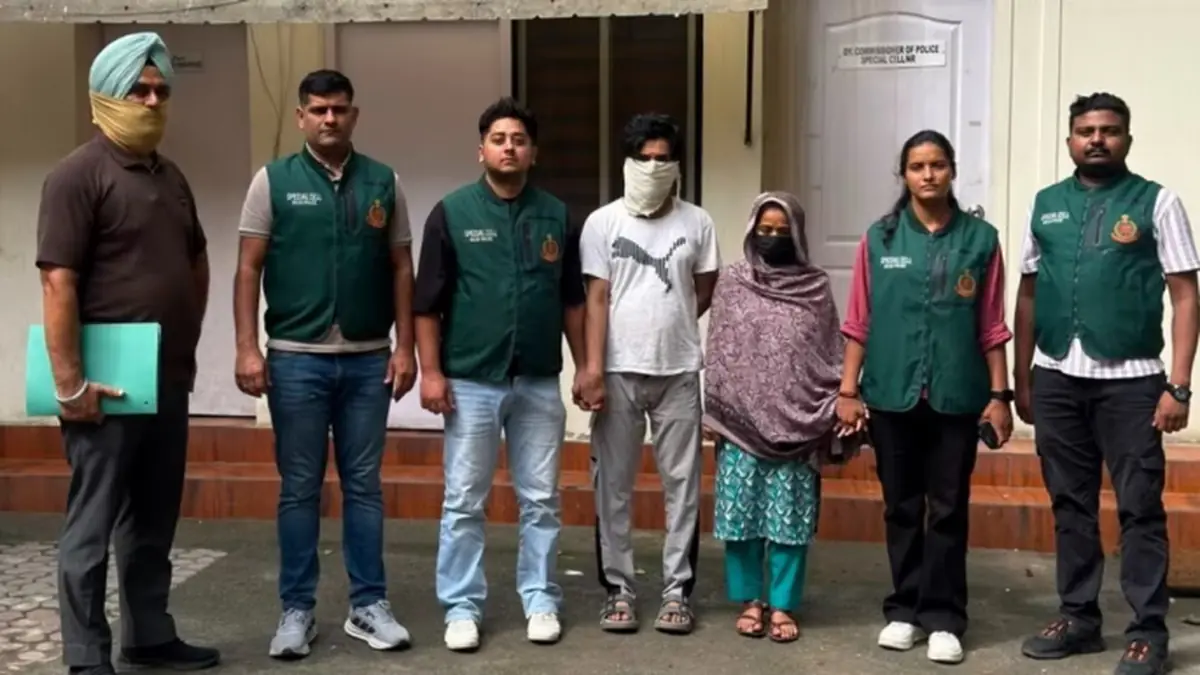
Delhi Police have four people in custody. One adult. Three minors.
That ratio is the story, honestly, as much as the crime itself is. A gang rape and murder case is grim enough on its own terms. Most of the accused being legal children changes the shape of everything that follows, the coverage, the outrage, the legal process, all of it.
Investigators reportedly built the case on forensics and digital trails, standard enough for a Delhi Police homicide probe at this point. What isn't standard is what happens next in court.
Under the Juvenile Justice Act, a 16-year-old can be tried as an adult, but only after a Juvenile Justice Board decides the accused understood the consequences of what they did. Nobody's made that call yet. It's probably the single most consequential decision left in this entire case.
This isn't the first time Swaroop Nagar has shown up on a Delhi crime desk. It's an outer-north locality, open land, bodies turning up near it before, mostly unconnected disputes gone violent.
That history explains nothing about this particular crime. It just means the reporters covering it already knew the map.
What's different here is how many things are stacking on top of each other at once. A minor victim. Sexual assault.
A killing allegedly carried out mostly by other minors. A body left out long enough to decompose before it was found, in a condition even crime reporters who cover this beat regularly have flagged as unusually bad.
Delhi's had this exact argument before. 2012, the Nirbhaya case, a young woman gang-raped and murdered on a moving bus.
That case rewrote the Juvenile Justice Act. One of the convicts was a minor at the time.
He served three years in a reform facility while his adult co-accused got the death penalty. People still bring that outcome up, every single time a case like this one surfaces.
Fourteen years later, expect the same fight to start again.
Child rights groups will argue that trying children as adults defeats the entire point of juvenile justice, which assumes kids can be rehabilitated in ways hardened adult offenders often can't. Families of victims, and a good chunk of public opinion, tend not to buy that argument when the crime looks like this one does.
Four arrests. Three minors. A victim barely into her teens. An investigation police describe as ongoing.
Charges under India's sexual offence and murder statutes are expected.
So is a Juvenile Justice Board review to work out whether the three younger accused face trial alongside the adult or go through the juvenile system instead. That decision alone could take months.
Nobody's used her name in any of the reporting so far. That's not an oversight. Indian law bars identifying survivors and victims of sexual assault, minors especially, and right now her anonymity might be the only protection still fully intact.
Everything else about this case is still being fought over.