T
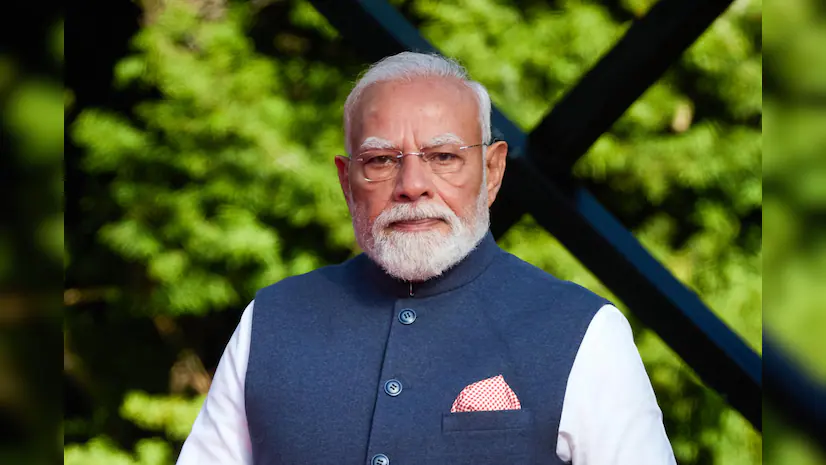
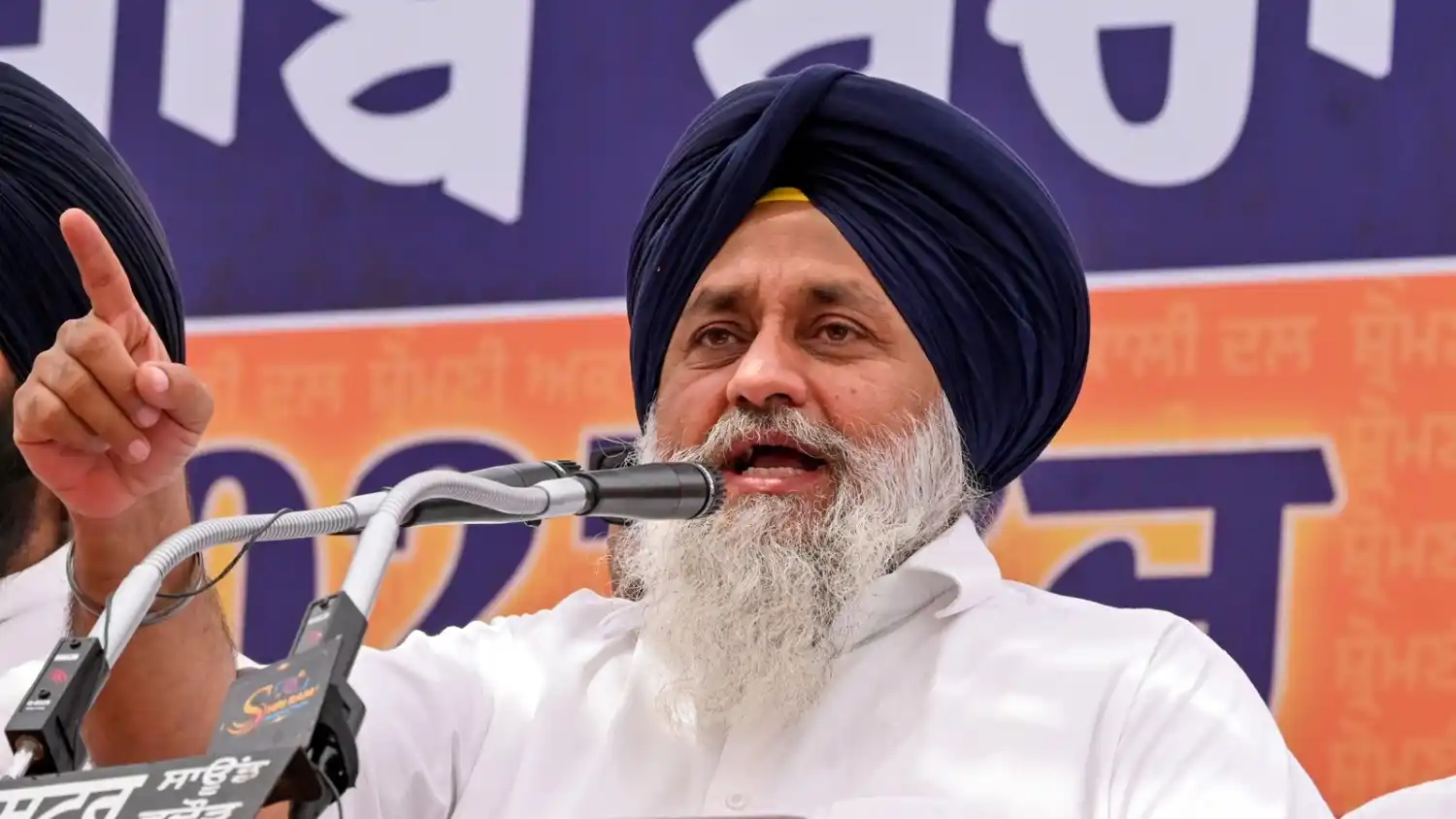
wo capitals, but two contrasting soundtracks. At Red Fort, Prime Minister Narendra Modi addressed from India’s capital, New Delhi, while singing the entire Vande Mataram for the first time ever at that occasion in its history, which he claimed to be an instance of great pride, and added that the National Song was ringing in the heart of every Indian.
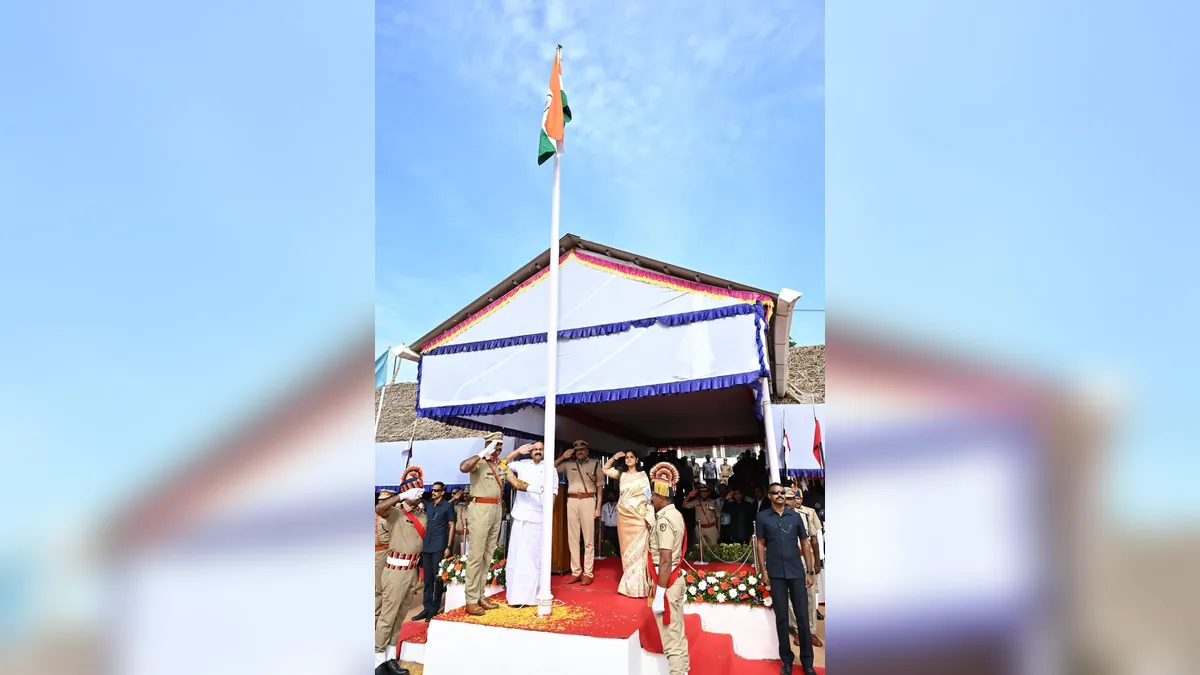
At the other end in Thiruvananthapuram, at the Central Stadium, the Independence Day program of Kerala State was being conducted without any rendition of Vande Mataram, despite the official directive issued by the State Government a few days ago asking for its singing.
This issue did not arise just on the day of August 15 but had been brewing since almost a week before. The national song, Vande Mataram, which should have been an integral part of the Kerala state government’s celebration of Independence Day at the Central Stadium in Thiruvananthapuram was conspicuous by its absence. This controversy arose specifically because the Chief Secretary of Kerala himself had issued a directive stating that Vande Mataram be sung completely in full as per the Union government’s Har Ghar Tiranga campaign.
But by the time Independence Day actually came around, a completely different directive had become prevalent.
In a circular issued by the General Education Department on behalf of the State Protocol Department, all schools in Kerala were instructed not to sing Vande Mataram in the course of Independence Day celebrations.
This particular directive specified only singing of the National Anthem and did not leave out official functions even when the Chief Minister and other ministers were acting as chief guests.
One of the reasons why this incident turned out to be messy is that nobody in the government of Kerala accepted responsibility either for singing the complete version or for banning it.
The whole issue arose due to the Chief Secretary, who published the first circular on the order of the Central Cultural Department demanding the singing of the complete version of Vande Mataram.
It should be noted that this circular had not been canceled until the publication of the second circular from the State Protocol Department.
It became even more complicated because of the Education Minister of Kerala, who stated that the Chief Secretary had acted on the basis of the order from Lok Bhavan, where the Chief Minister works. Lok Bhavan denied this order, and, thus, Kerala got two conflicting circulars and two conflicting statements. At that time, the Chief Minister kept silent and, probably, increased the tension of the situation.
Among the conflicting messages that emanated from the state of Kerala, there was one venue that received a special mention.
While the state sponsored functions organized in Central Stadium chose to exclude the song completely, the celebration of Independence Day that was to be organized at Lok Bhavan was to be an exception in this regard where Vande Mataram in its entirety would be sung.
The Chief Minister, V. D. Satheesan, prior to this occasion, had already indicated that the stand of his government would be known through their participation in the celebration ceremony itself. And it is true—his participation was not present, but his message was loud and clear.
In the celebration conducted at the Central Stadium, the chief minister referred to Kerala's respect towards secularism and democracy and explained welfare policies as a fundamental right.
It is important for Kerala to maintain the essence of India, especially among its young generation. Kerala ministers on their part have repeatedly stated that in case Vande Mataram is included in any program, then only the first two verses of the song will be sung.
The question of which form of Vande Mataram is to be sung is not something new and actually reflects the historic rift in the song itself, which is about 88 years old. While speaking at the event marking the 150th anniversary of the national song, Modi himself mentioned that in 1937, key stanzas from the Vande Mataram song got separated, calling the process "a part of the soul of the song getting ripped off," even saying that such division "sowed the seeds of partition." Modi emphasized that younger generations should know the reason why it happened since such a divisive attitude "remains a challenge for the country."
This historical rift between the two stanzas approved by the Constituent Assembly of India and the remaining ones with more religious connotations is exactly what the ministers of Kerala referred to when discussing this issue.
This is nothing new for the state. The Independence Day celebrations in Kerala had sparked political controversies in previous years as well—be it in the form of political controversy in 2022 after a child dressed up as V. D. Savarkar took part in the celebrations at a government school or the political controversy in 2021 over alleged violation of the Flag Code during the CPM-sponsored Independence Day celebrations at the party office.
In each of these cases, there was a deeper political issue involved, which has been central to the political culture in Kerala—the state being continuously ruled by political parties that stand left of the ruling dispensation in New Delhi.
The reason that makes this year’s controversy different from any ordinary disagreement between a State and the Centre is the symbolism and timing attached to it. This year marked not only Modi’s 80th Independence Day speech but also 80 years of India’s independence. It was also during the occasion that the song “Vande Mataram” had been sung in the Red Fort ceremony for the first time ever since its beginning. In fact, this incident made the 80th Independence Day celebrations truly historic.
On this very day, the fact that Kerala, one of India’s states, didn’t include the same song in its state level Independence Day celebrations despite having a state circular that called for it, is very symbolic.