The whole discussion started on Sunday, September 21, when a software engineer turned to X to describe their experiences of working in an increasingly AI-driven company. In the software engineer's words.
Anthropic's Claude Code was being utilized almost everywhere in the software development lifecycle—from specifications creation to code, tests, product requirement documents, and tickets, as well as reports on how the tickets were handled. "Nobody knows anything "here"—such words were used by the software engineer to describe the situation within the company.
Engineers are depicted as overseers of the AI's output rather than people who themselves are building software with the help of AI. Employees are said to work for up to 12 to 13 hours per day, spending most of their time trying to prompt AI systems rather than coding themselves.
According to the engineer's words, the atmosphere is "soul-crushing," as the only thing one is expected to do is produce as much of something as possible, without knowing what exactly it is.
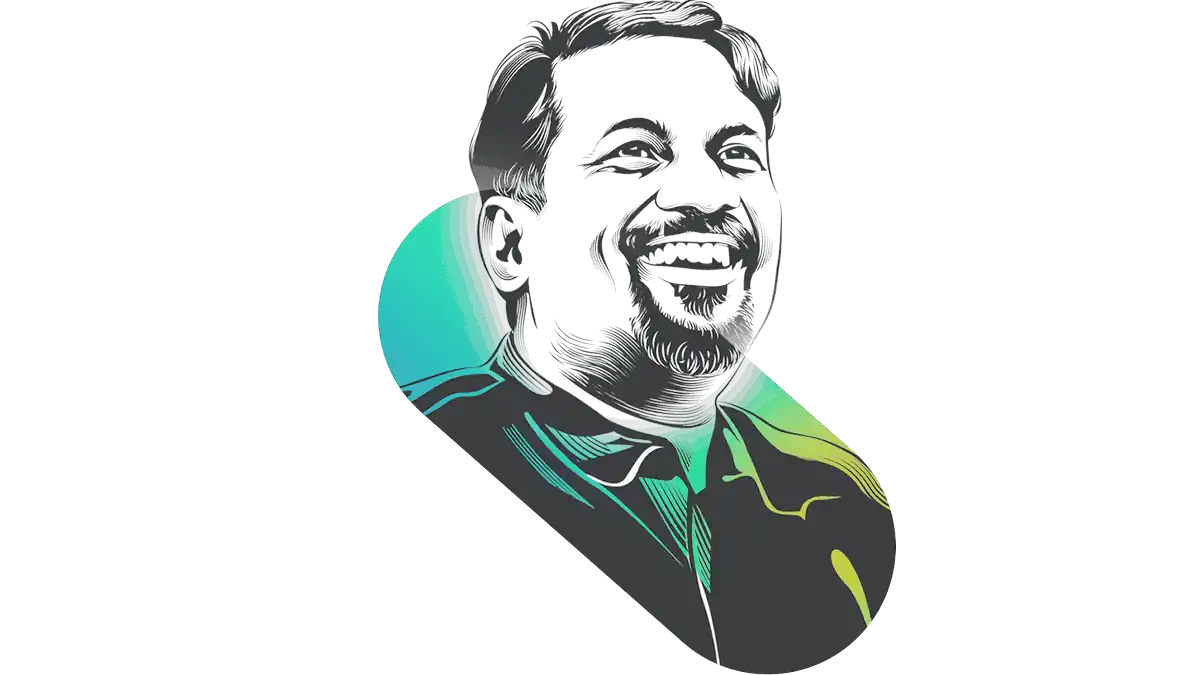
Sridhar Vembu cited the viral post, stating that "it is sad" and emphasizing the fact that he tells his engineers to use AI but "never cede our understanding to AI. " It did not take long for the remark to become widely known and appreciated, with the statement of the Zoho founder putting the problem that has been bothering many people in the IT industry into words.
Vembu further elaborated on this point using an analogy of driving an unknown car at an excessively rapid pace. "We, as an industry, are driving at a very fast pace in a brand new shiny car we do not know how to drive," he stated.
The statement reflects not only Vembu's concerns for his colleagues' welfare but also the worries about potential risks posed by the widespread adoption of AI in the tech sector.
Vembu's response fueled the existing heated discussion online. Many users responded with their own experiences concerning their fears and anxieties regarding AI over-reliance.
For example, one of the users stated that exactly the described scenario is the reason why they never ship any AI-generated code, because the first time they attempted to do so, they found themselves with "absolutely no idea what is in there."
Another user mentioned the same concerns but about other things, stating that many people start using AI for sending emails, creating documents, Excel spreadsheets, even essays, and math problems.
While some engineers tried to defend themselves with a tinge of defeatism, stating that this was merely a consequence of the inevitable expectation rather than an option.
In the context of organizations needing triple the amount of work done through AI, it was only natural for there to be a culture of copy-pasting from one AI tool to another and passing it off as "double-checked," even though minimal verification had been done.
Going beyond the coding discussion, Vembu used this opportunity to raise another important issue pertaining to intellectual property and trust in big AI labs.
Referring to Fields Medalist Terence Tao, Vembu stated that any companies that held crucial know-how, intellectual property, and trade secrets needed to be extremely careful with what information they exposed to the frontier AI system, as these systems would entirely change the manner in which companies and researchers shared proprietary ideas with one another.
He highlighted the pharmaceutical sector as a prime example, where all the big pharma companies had developed their own AI system based on an open-source foundation to avoid using data in external AI services.