A
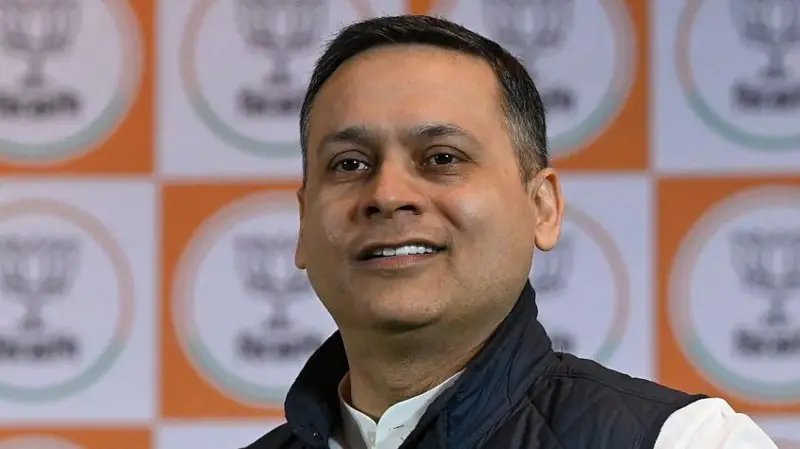
mit Malviya has been at the helm of affairs at BJP's IT department for well over eleven years now and in the last ten years, has been a significant influence on how BJP conducted its online battles, helped shape the narratives in two general elections and been the face of aggressive digital campaigns of the BJP.
But with a shake-up being ordered under new BJP Chief, Nitin Nabin, all this comes to an end. In place of Malviya has come Deepak Mhaskey – an experienced political campaigner and former chemistry professor – who has taken up the charge of National Social Media Convenor of the BJP.
There were also a number of other changes that included veteran faces such as Vasundhara Raje Scindia, Tirath Singh Rawat and Ram Madhav, but what captured the imagination more than anything else was Amit Malviya being moved from his position of significance in BJP.
By the accounts of the party insiders, it is not an impulsive decision; it is one that took patience, time, and frustration. Malviya's assertive, sometimes outright abrasive, mode of engagement via social media platforms became a hindrance in itself – what used to work once before stopped being effective and even started getting on people's nerves.
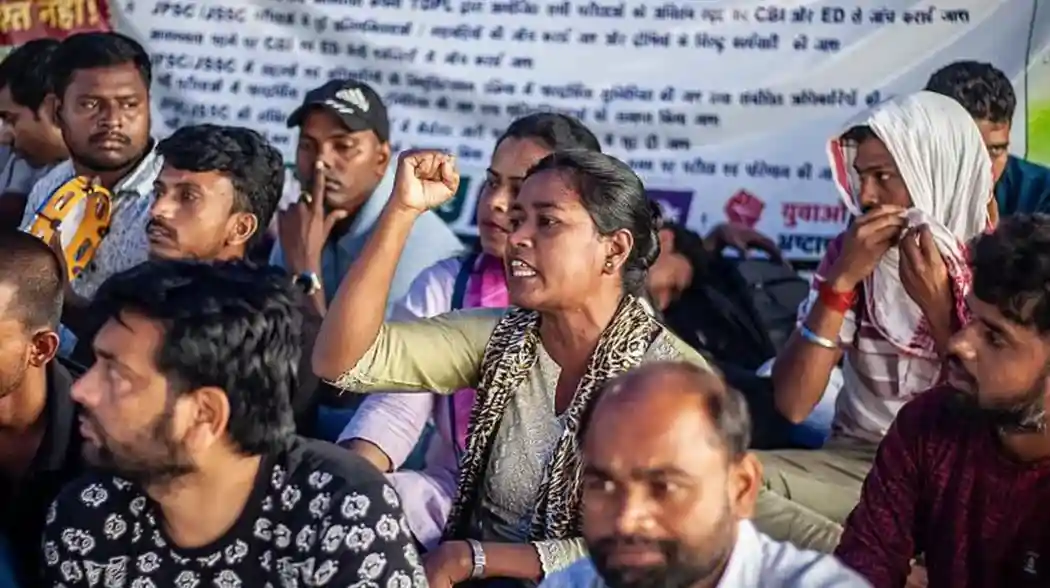
There was a generational dimension to the event. The recent protests led by Gen Z uncovered what several members of the BJP consider a serious issue of disconnect between the party's outdated aggression-led strategy for online communication and a sceptical audience of younger generations. What was required during such a critical moment as Union Budget announcement was empathy-based simplified communication, but instead of that, Malviya and the IT cell chose to provoke the youth.
Malviya's previous conflicts within the party didn't help him as well. The quarrel he had years ago with Subramanian Swamy, a member of the Rajya Sabha and one of the party's MPs, who at the time threatened with his resignation if Malviya wouldn't be dismissed following the fake tweet scandal, might be the reason why people remembered him this way.
The appointment of Deepak Mhaskey itself signals intention. Whereas Malviya is someone who came to prominence through Twitter wars from the metropolitan city politics, Mhaskey has been at an organizational level within the state.
He served as BJP's state spokesperson in Chhattisgarh and also headed Chhattisgarh Medical Services Corporation Limited, which means that apart from being adept at communications, he also has some administrative experience.
Appointment of someone like Deepak Mhaskey from Chhattisgarh with regional language roots instead of Malviya indicates that BJP feels that it should not be relying too much on Twitter in English anymore but should move towards a more grassroots approach and use of regional languages for mobilization in the future.
Apart from Mhaskey, BJP has appointed four co-conveners for social media: Priti Gandhi, Shivanand Dwivedi, Alok Bhatt, and Arun Yadav. They have shared responsibilities that until now were held solely by Malviya.
The appointment of four co-conveners shows that BJP is definitely moving away from the old system where it was run under one chief, which was the case with the Malviya era.
As analysts covering the changes in the structure explain, this diffused structure is designed so that it will spread the responsibility among many and hence make the department less vulnerable because now no individual would carry the entire blame if there were a problem with the strategies.
But it still remains to be seen whether the diffused structure will work as effectively as the Malviya structure in terms of the reach through WhatsApp and Facebook groups, which allowed BJP to outmanoeuvre its opponents during the elections.
It would be incorrect to describe Malviya's leadership simply in terms of controversies alone. It was his strength in framing narratives, especially in times of crucial elections, that earned him much appreciation in the party, and it was his role in making the victory of the BJP historic in West Bengal possible in 2021, whereby the ruling Trinamool Congress party was replaced by the BJP after fifteen years.
This was one of the factors that allowed Malviya to continue to be supported by the party leadership for so long despite the rising allegations of misconduct.
However, institutions inevitably outgrow their founders, and the logic seems to be that the digital war arena has reached a point in its evolution that requires different leadership, namely one that bases itself on the logic rather than on aggressiveness, as stated by one of the leading figures in the party.