D
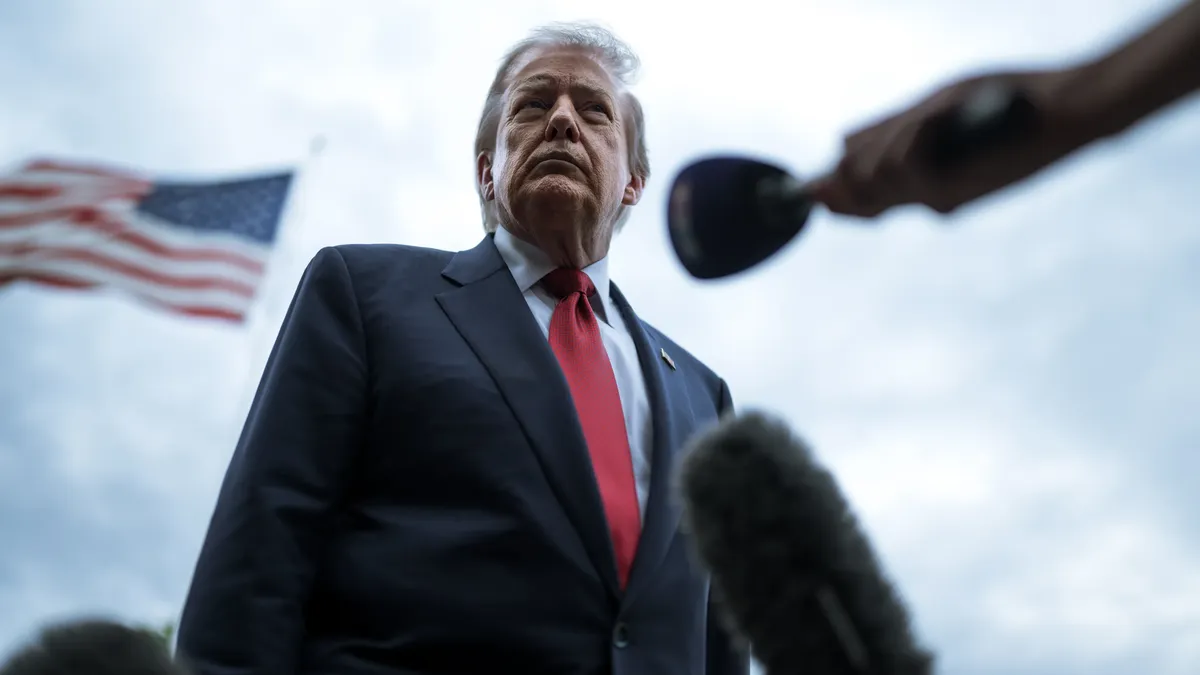
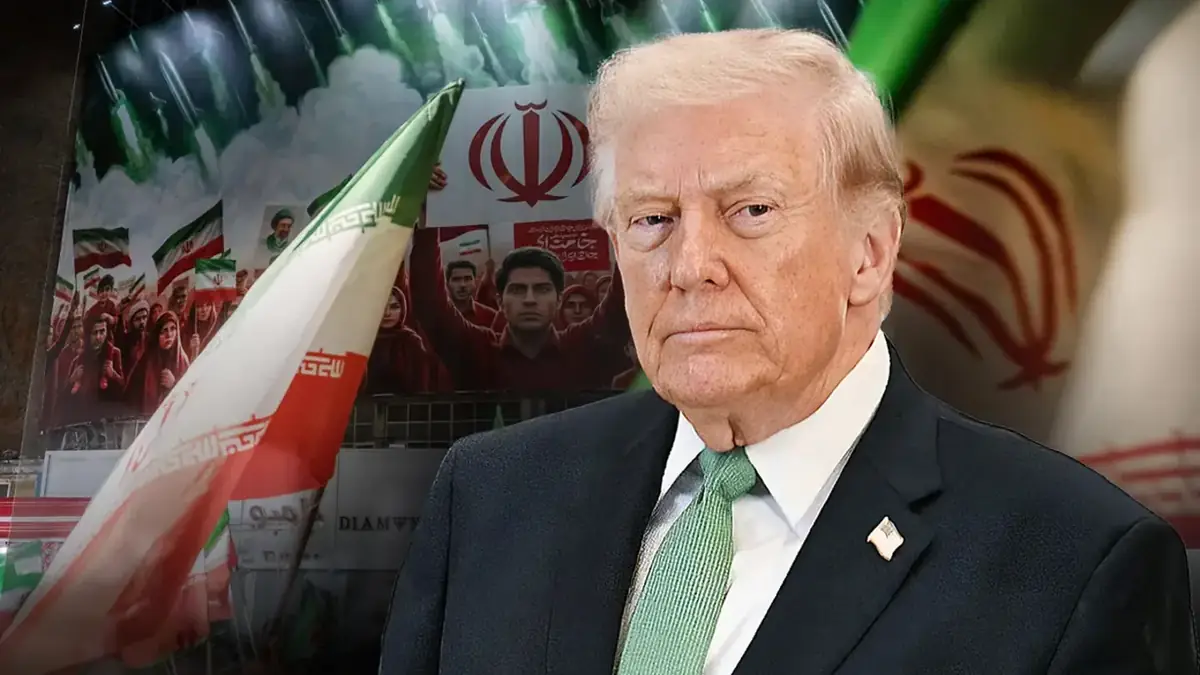
onald Trump picked Wednesday night to drop his biggest economic threat yet against Iran. Not through a press conference. Not through a formal White House statement. Through a Truth Social post, typed in the president's trademark mix of capital letters and exclamation points, that read less like policy and more like a warning shot fired into the dark.
He called it "the most crushing economic operation ever taken against any country." He called it "Economic D-Day." And he made sure everyone understood the threat wasn't limited to Tehran.
Trump's post laid out the stakes bluntly. Any country whose financial institutions, businesses, airports, or government entities help Iran in any way, he wrote, will face what he called tremendous economic consequences of its own. He rattled off the mechanisms he wants shut down immediately: oil smuggling, currency swap lines, cash transfers, exchange houses, ship registries, and front companies.
Then came the line that read almost like a private message hidden inside a public post. "You know who you are," Trump wrote, naming no one directly. He closed by calling on U.S. allies to stand behind the effort, insisting the goal is to isolate and defeat what he described as the Iran threat once and for all.
It's worth pausing on the tone here, because it wasn't subtle. Trump described Iran's navy as gone. Its air force was destroyed. Its military factories were reduced to rubble. Its currency is worthless. A country, in his words, hanging by a thread.
This wasn't Trump's first swing at Iran's economy, not by a long shot. His administration has spent months running what it calls Operation Economic Fury, a campaign launched not long after the US-Israel war against Iran began back in February. Washington has already piled sanctions onto Iran's oil sector, its shipping industry, and its banks, while a naval blockade has choked off much of the country's ability to move crude out of its own ports.
Iran's economy was already reeling before this latest announcement. Inflation topped 48 per cent last October. Some estimates put close to half the population living below the poverty line.
So when state media in Tehran shrugged off Trump's post as nothing new, there was a grain of truth buried in the dismissal, even if it came wrapped in defiance.
What makes this moment different is the timing. Trump's post landed just hours after the United Arab Emirates, a longtime Iranian trade partner, announced it was cutting all financial and economic ties with Tehran, citing two ballistic missiles Iran allegedly fired toward Emirati waters. Iran called that a false-flag operation and denied it outright.
Nader Habibi, who studies Middle East economics at Brandeis University, thinks the UAE didn't act alone here. He pointed to a call between Secretary of State Marco Rubio and the UAE's national security adviser just a day before the announcement, suggesting Washington had a hand in nudging the decision along
Here's the uncomfortable part for the White House: the countries with the most leverage over Iran's remaining trade lifelines aren't small players easily bullied into compliance. Habibi named China, Iraq, and Turkiye as the trade partners Trump would most need to target next. China in particular still buys Iranian oil through independent refineries, and Beijing has already told its own companies to ignore US sanctions pressure.
Brett Erickson of Obsidian Risk Advisor put it more sharply. Going after Chinese banks tied to Iranian oil purchases, he said, would be by far the most consequential lever Trump could pull. But he also noted something telling: if that move made obvious strategic sense with limited downside, the US probably would have already made it.
Iran's foreign minister, Abbas Araghchi, didn't waste time firing back. He called the threat a distraction from what he described as America's own mounting debt and rising interest costs, adding that doubling down on failed policy would only deepen Iranian resentment toward Washington.
State outlets echoed the same line, arguing the country has spent years learning to route around sanctions and has gotten fairly good at it.
Al Jazeera's Mike Hanna, reporting from Washington, offered a different read on the whole announcement. He suggested Trump's real audience might not be Tehran at all but an American public increasingly weary of a war now five months old, with no clear resolution in sight.
Trump has escalated his economic pressure campaign against Iran, threatening severe consequences for any nation, business, or institution that keeps Tehran afloat financially.
The announcement came right after the UAE severed its own ties with Iran, and analysts see China as the real test of whether these threats carry weight or stay symbolic. Iran has dismissed the move as recycled rhetoric, while independent observers say the coming weeks, not the Truth Social post itself, will determine whether this is a genuine turning point or another chapter in a stalemate that's dragged on since February.