P
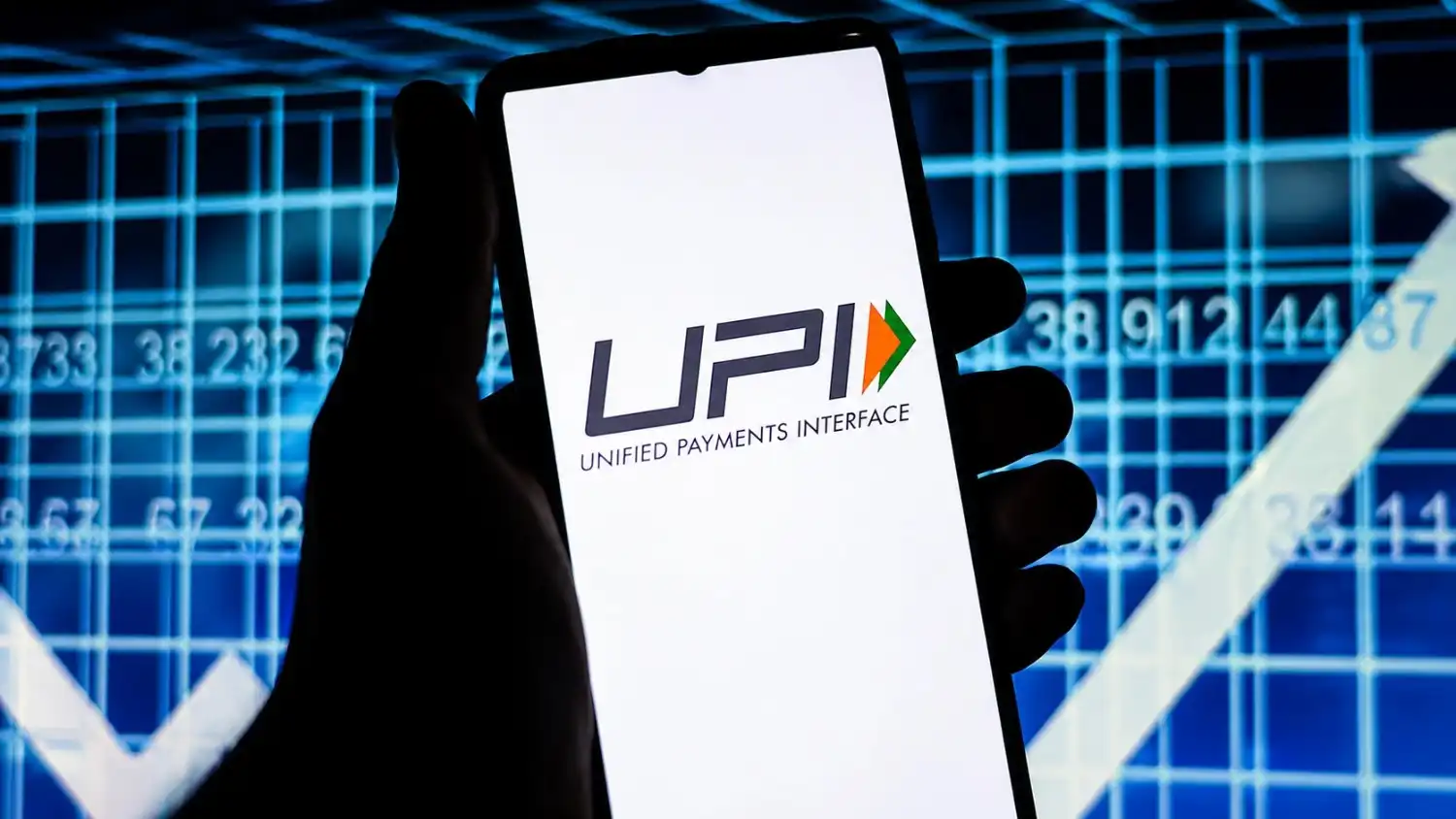
icture this: everyone in India makes at least two digital payments in a day, not once in a week but almost every day. This was what transpired in the month of March 2026, where the Unified Payments Interface (UPI) of India reached its highest ever number of transactions amounting to 22.64 billion transactions within a single month.
On average, this amounts to 730 million transactions per day, which is approximately equivalent to 8,449 transactions made every second in India.
This particular landmark event, which was reported by the Department of Financial Services and verified by data provided by the National Payments Corporation of India (NPCI), has gone beyond just being an astounding number.
It is a symbolization of India's evolution in terms of paying for virtually everything ranging from a five-rupee cup of tea at a roadside stall to even expensive electronic gadgets through the use of their smartphones. This article aims to elucidate what UPI is, the significance of this figure, factors behind this growth, and more.
First of all, for the uninitiated, UPI, or Unified Payments Interface, is an instant bank transaction facility created by NPCI that enables users to send and receive payments in real time from bank accounts with the help of just a mobile phone. Introduced in 2016, UPI does not need you to have the beneficiary’s bank account details; all it needs is his or her unique UPI ID (just like a phone number or a custom handle).
The popular apps such as PhonePe, Google Pay, and Paytm all work on the basis of the UPI platform, and therefore, the UPI itself is indifferent to the kind of bank the user holds an account with. The “interoperability” or the seamless communication of any UPI application with any bank is probably the most significant factor behind the popularity of the platform.
Let's put the scale of this achievement into simple terms:
22.64 billion transactions have been done in the month of March 2026.
The total value of these transactions was ₹29.53 lakh crore (₹29,530,000 crore, i.e., around $354 billion).
The number of transactions made is higher than the number in February 2026, which was 20.39 billion.
Regarding transactions, there was an increment of 24% on an annual basis, and a rise in transaction value was 19%.
It is because the size of the average UPI transaction has become ₹1,300, and people feel confident to pay via UPI even for bigger transactions such as purchasing household items and making tickets.
Further increase has been observed in March and thereafter as well; in April 2026, 22.35 billion transactions took place, and in the financial year 2025-26, 24,162 crore (241.62 billion) transactions were made using UPI, amounting to ₹314 lakh crore.
Why Is This Growth Happening?
It's not just one single factor behind such explosive growth; rather, there are many:
Small traders or merchants need to pay zero transaction fees while making UPI payments within a certain limit. It has made them more inclined to accept digital payments.
Cheap smartphones and inexpensive mobile Internet have opened the floodgates of the Internet usage for millions of new users, mainly those who reside in small cities and rural areas.
While big cities such as Bengaluru, Delhi, and Mumbai account for most of the transactions, the most intriguing development is that Tier-2 and Tier-3 cities contribute almost 45% of all transactions through the UPI platform. Among them, cities like Lucknow, Patna, and Jaipur are growing at the fastest pace, mainly due to festive season shopping.
After its inception in 2016, the government policies have always encouraged people towards adopting digital payments through schemes and incentives.
It is quick, does not require cash, and has become a habit for majority of Indian smartphone users from students to shopkeepers.
It is important to stop and think about the magnitude of this figure. UPI handles more transactions than credit and debit cards in total in India. There are few nations in the world that have scaled their home-grown digital payment solution to such volumes per day.
Just to give you an idea, it's not only about transferring funds to one's friends; it also involves everyday spending in kirana shops, online purchases, payments of utility bills, and even higher value transactions like ticket bookings.
UPI has also been able to grab global eyeballs, and its international rollout, which involves allowing Indians to use UPI abroad and letting some foreign merchants accept it, has slowly started taking shape, thus making India a model for the world to see how a nation can bypass conventional payment infrastructure such as credit card prevalence.
In case “22.64 billion” is still an unimaginable figure, here’s how to comprehend it even better: this number implies nearly three transactions per individual on earth in just one month from the system of only one country! Or in other words, by the time you are done reading this sentence, there have been thousands more transactions done on UPI.