S peaking in response to increasing consumer uncertainty in regard to their transaction costs on Saturday, PhonePe CEO Sameer Nigam has clarified that all UPI transactions will continue to be free for the consumers, as he assured his users that there is no way this service can ever charge users for making their transactions through this platform in spite of a recent change in the tax law in which debate regarding merchant discount rates resurfaced once again.
It is to be noted that PhonePe CEO Sameer Nigam used social media platform X to clear the doubts among Indian consumers who were uncertain if they would have to make any charges while using the UPI facility for their regular transaction needs.
Nigam's post was particularly addressed to all his consumers to assure them about the fact that UPI transactions are and would remain free to all Indian consumers without charging anything from their side.
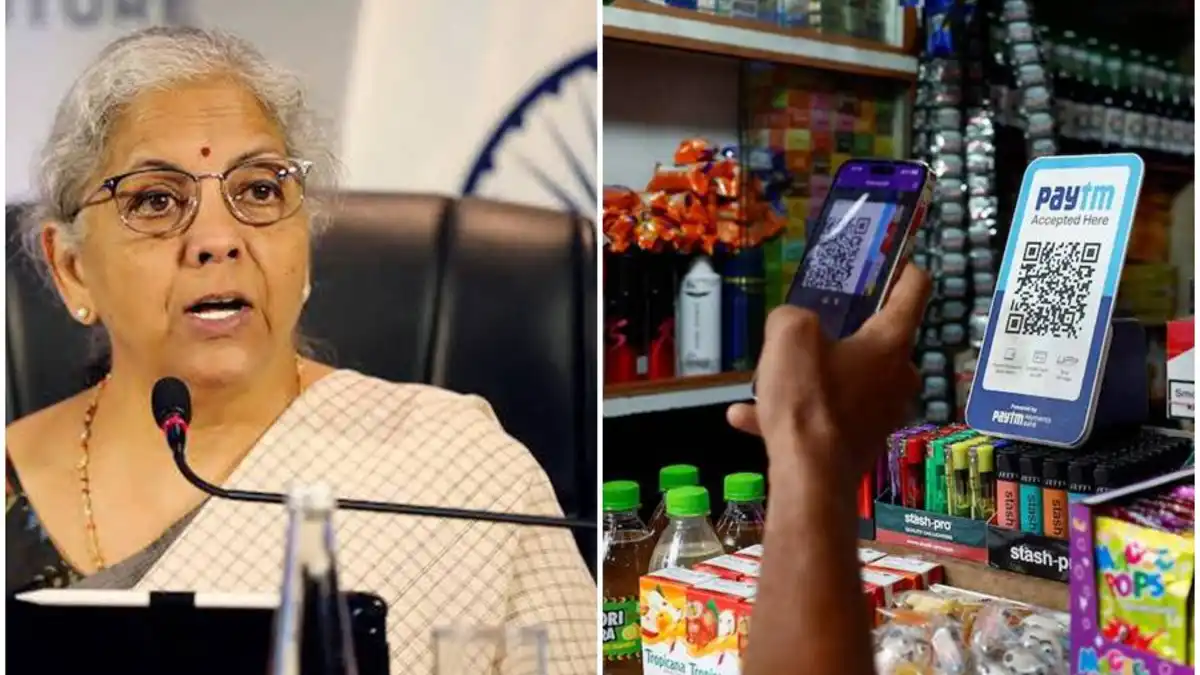
This comes at a time of consumer sensitivity in regard to digital transactions in India, where use of this service is very popular to the point of becoming an alternative currency, where one may use it to settle their dinner bill or buy groceries from their neighborhood grocer.
Hence, any hint regarding the possibility of this system getting cost to users was expected to cause worry, and it is for this purpose that Nigam cleared the matter.
The confusion has been caused by the passing of the Taxation and Other Laws (Amendment) Bill, 2026, in the Lok Sabha. The bill allows the government to introduce the merchant discount rate, commonly known as MDR, on certain electronic modes of payment. MDR is essentially the fee paid by businesses to the parties processing digital payment, and the introduction of the said fee on UPI has been long-debated since the government abolished the said fee for the UPI payments back in 2020 in order to popularize digital transactions.
According to reports, after the bill's approval, the new legislation allowed the introduction of an MDR in the range of 0.25 percent to 0.4 percent on some kinds of business-related transactions via UPI worth over ₹2,000.
While the provision in question allowed charging extra fees on electronic payments, speculation began that the fee could one day affect the customers and thus become an indirect cost.
Nigam's clarification was supported by the Payment Council of India (PCI), the industry body of Indian payment service providers, which confirmed that UPI transactions will stay free for users while small merchants won't need to pay any fees in terms of accepting UPI payments.
According to the body, whenever there are merchant service charges, the latter would only pertain to the merchant–service provider relationship rather than the clients making the payments.
Importantly, PCI's clarification also emphasized that person-to-person (P2P) UPI transactions would not be included in the new MDR regime and, as such, remain fee-free.
This clarification is important due to the fact that P2P transactions are the core part of what most people see when referring to using UPI: a mobile application and a QR code without any fee charged.
The message holds added meaning since PhonePe continues to be the key player in the Indian ecosystem in terms of transaction numbers: as of now, PhonePe accounts for about 47 percent of UPI transaction volumes in the country, conducting about 10 billion transactions in the span of one month.
The typical user of the app sees it as a completely free tool for splitting a dinner, for phone recharges, or buying goods in some shop. In fact, UPI's perception as a free tool has led to the rapid growth in numbers of people using it in the country.
In turn, the income stream model of PhonePe was always based on layers of activities over UPI as a completely free thing for a consumer: merchant services, fees between 0.5 percent and 1.1 percent depending on category, and auxiliary financial business like lending, insurance, wealth products, and others.
Thus, for example, merchant services brought PhonePe about ₹429.8 crores in the fiscal year 2023 compared to over ₹1,038.5 crores in just the first half of FY26 when PhonePe has been actively expanding its activities.
Hence, the company's approach to the matter seems to make sense given the upcoming public stock offering, which requires maintaining that trust among millions of consumers.