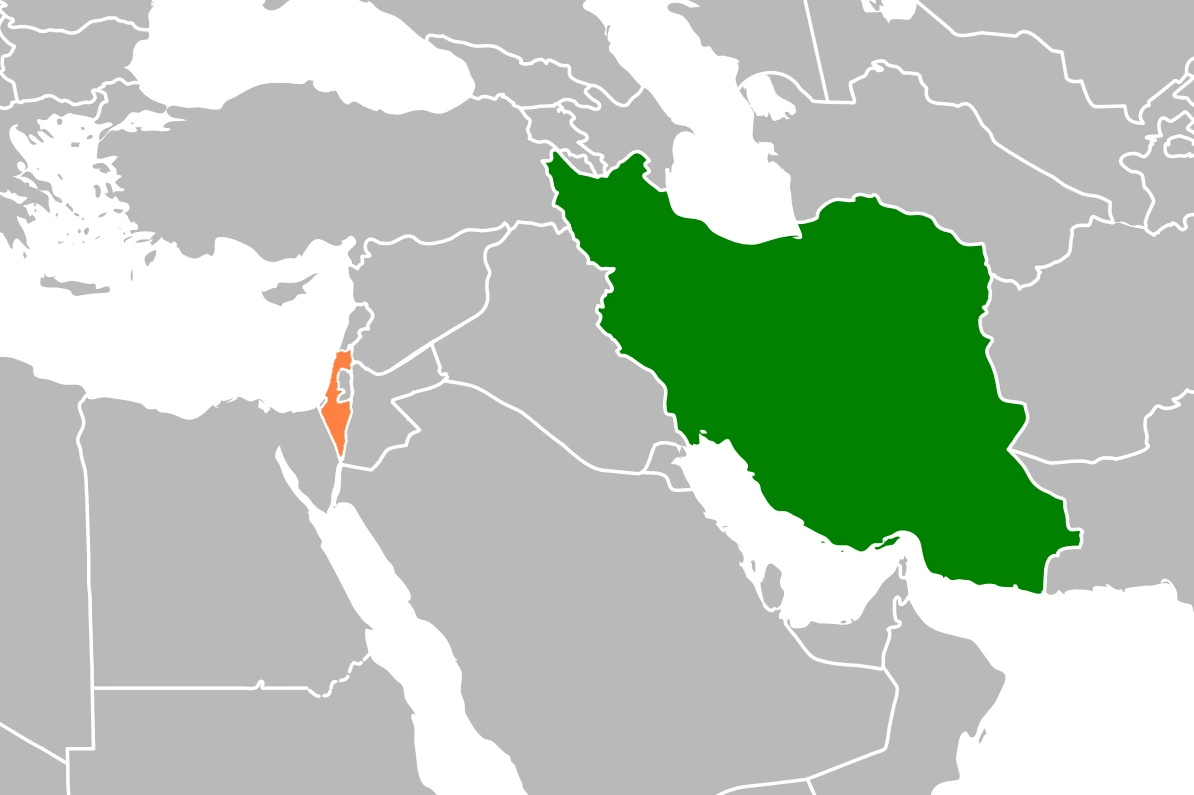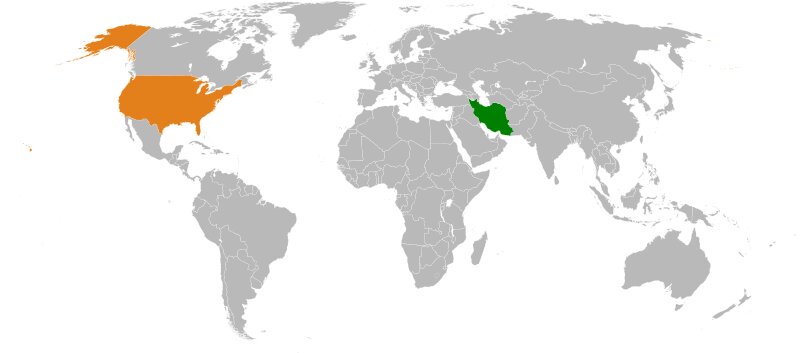
Tensions in the Middle East have reached a dangerous turning point, where escalating military clashes and airstrikes between the United States and Iran, along with Iran’s retaliatory actions, have brought the entire region to the brink of war. The situation has become so critical that if these military confrontations do not stop soon, they could escalate into a major war.
In recent times, Iran and the United States have come face to face in direct conflict. One of the main reasons behind U.S. strikes on Iran is that the United States does not want Iran to develop nuclear weapons, as this could reduce U.S. influence in the Middle East. Iran has been working on its nuclear programme for a long time, which is why the U.S. has carried out attacks on Iran.
At the same time, Iran is carrying out attacks on U.S. military bases in the Middle East—including in countries like Qatar, Bahrain, Kuwait, the UAE, and Saudi Arabia—and this is causing significant damage to U.S. assets. Iran is well known for its missile capabilities and possesses a large arsenal, which it is actively using in this conflict. Iran is also strongly retaliating and is not backing down in this war.
1:- This conflict is creating tensions across several Middle Eastern countries, especially those most affected, such as Saudi Arabia, the UAE, Kuwait, and Bahrain.
2:- Iran is also carrying out attacks on Israel, and Israel is responding with counterattacks, creating a tense and volatile situation between the two countries.
Strait of Hormuz
In this conflict, the most discussed and critical point is the Strait of Hormuz, as it is the route through which around 20% of the world’s oil passes. Iran is demonstrating its power in this strategic passage. Since the conflict began, only about 5% of normal business activity has continued, while nearly 95% of traffic remains disrupted. Iran has not fully opened this route, leading to a sharp increase in oil and gas prices.
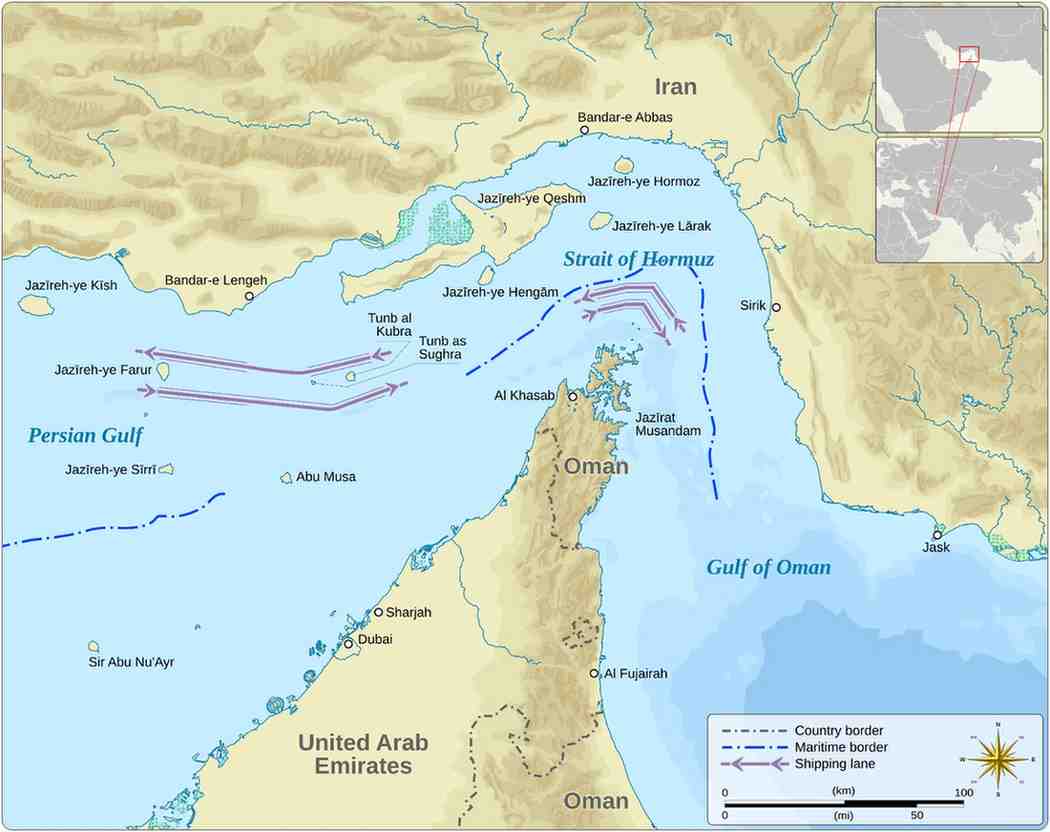
Photo: @ wikipedia
The impact of this conflict is now being seen at a global level. Crude oil prices have risen to around $150 per barrel, causing significant difficulties for ordinary people as inflation continues to increase day by day. It is also directly affecting the global supply chain. If these conditions do not improve, it could become a serious global challenge in the coming time.